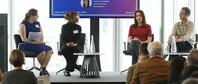


"There have been too many times when the BBC's definition of its core purpose has been: "Cor! Why don't we do that?", he told the Westminster Media Forum on Thursday.
He said the new BBC Trust would scrutinise any proposed new service or change through a public value test that would assess any negative market impact.
"There can be no doubt that the way the trust's responsibilities are now set out, and the transparency of the procedures laid down to fulfil them, will deliver to the private sector the clarity and comfort they have long demanded.
"The BBC can no longer be perceived as "a law unto itself".
He referred to a quote by Tim Gardam, former director of television and director of programmes at Channel 4, who described the BBC as: "well-meaning elephants, stomping through the jungle... oblivious as to what might get crushed under their enormous feet".
Mr Grade said it was a fair comment that the BBC "is too big, too fat, and above all too careless of all the other creatures, especially the entrepreneurial species fighting for their bit of the jungle".
He said that under the terms of its new charter, there would be no more "cosy deals behind closed doors" or assessment of new services only after launch.
What keeps keeps Michael Grade awake at night?
Mr Grade said that it would always be harder for public sector organisations to maintain financial discipline, but that financial efficiency is directly connected to sustaining creativity - both of which he listed as priorities alongside defending the BBC's independence.
"That's why, ever since I became chairman, I've made the rigorous stewardship of the licence fee one of my three top priorities," he said.
"As I've said before, it's what keeps me awake at night."
He also said the corporation aims to fund 70 per cent of new investment from "self-help" and referred to director general Mark Thompson's savings plan that included cutting 19 per cent of BBC staff.
"This isn't a pain-free process," Mr Grade said.
"The headcount he inherited was more than 27,000 - up from 23,500 in 2000. It will be reduced back to 23,500 by the end of March 2008."
The corporation will regularly commission surveys of 10,000 people to "keep in touch with licence fee payers" and will also consult the public about proposed changes and new services.
• BBC correspondent Helen Fawkes was the first journalist to broadcast live news reports using a broadband connection last week. Reporting from Kiev, she used a 'backpack reporter' kit of a laptop and camera to transmit interviews for BBC World and BBC News 24 as part of a pilot programme.
Free daily newsletter
If you like our news and feature articles, you can sign up to receive our free daily (Mon-Fri) email newsletter (mobile friendly).