Sometimes, star speakers can overshadow important voices that the journalism industry needs to hear. We spotlight sessions that perhaps didn't get the attention they deserved
Nobody can get round to all the talks at the International Journalism Festival in Perugia, but we did our best to tune in to as many as we could. Here's a round-up of stand-out speakers that might've flown under your radar.
🌊 Five deep dives
🇷🇺 Meduza: Crowdfunding when it's unsafe for readers to donate
Organisation and model: Meduza is the world’s largest independent Russian-language media outlet, operating in exile. Its funding comes from reader crowdfunding, a publishing house, and an online shop for books and merchandise.
Key context: Itsteam and audience face relentless repression — labelled "undesirable", blocked online, and criminalised for any support. Over 60 per cent of readers are still inside Russia, where donating can mean years in prison. The newsroom must innovate to reach and fund its mission amid fear, indifference, and news avoidance.
Critical insight: In autumn 2025, an emergency crowdfunding campaign brought in 6,000 new monthly supporters, raising the total to 15,000 recurring donors. To protect supporters, purchases are disguised and not affiliated with the news brand. Meduza also provided direct security guidance to donors on avoiding digital traces. Publishing now covers around 10 per cent of expenses, with 87,000 books sold, many by banned authors.
What's next: Medusa anticipates further escalation in Russian digital repression, including more sophisticated internet shutdowns, whitelisting of state-approved websites, and VPN crackdowns. It plans to grow and monetise its international readership out of necessity, while its primary focus is sustaining independent journalism for Russians, especially those affected by repression.
One quote:
We consider ourselves a bridge between those Russians who are locked up inside the country under the constant regime of repressions, and those Russians who preferred to leave the country and are striving to survive in a different environment. — Galina Timchenko, co-founder & CEO, Meduza
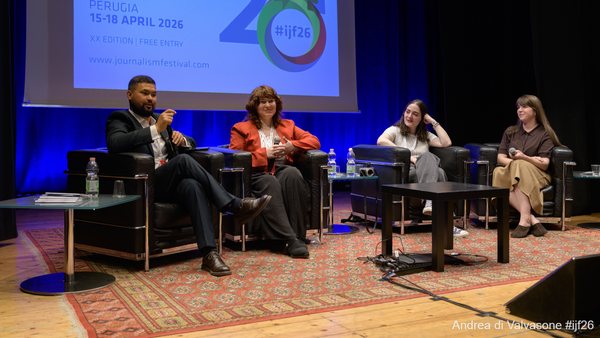
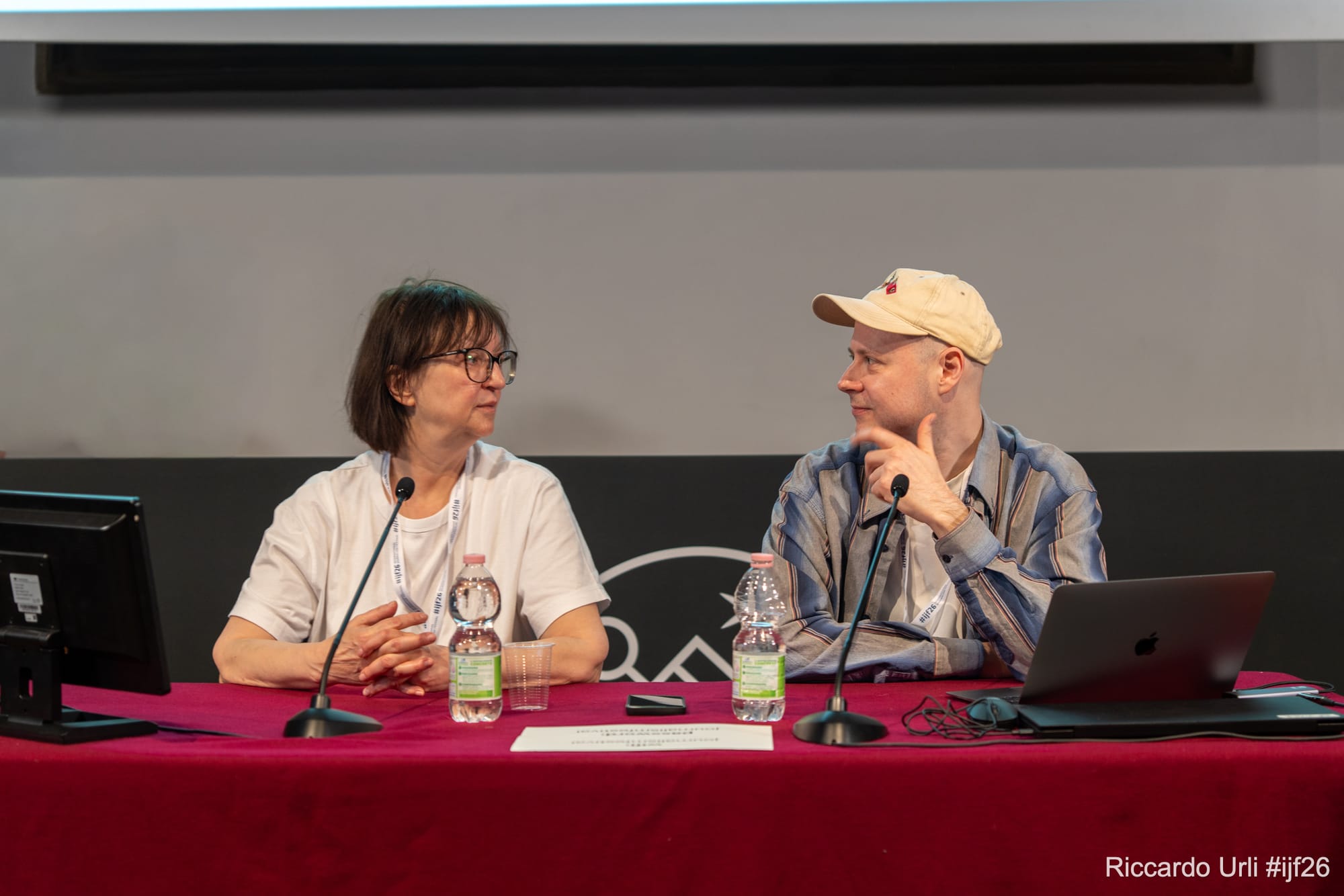
Meduza's co-founder and CEO Galina Timchenko and co-founder and editor-in-chief Ivan Kolpakov
🇭🇺 The Fuller Project: A Hungarian warning for US media
Organisation and model: The Fuller Project is a US-based global nonprofit newsroom focused on reporting at the intersection of labour, health, technology, and the economy, with a mission to catalyse positive change for women and gender-diverse people.
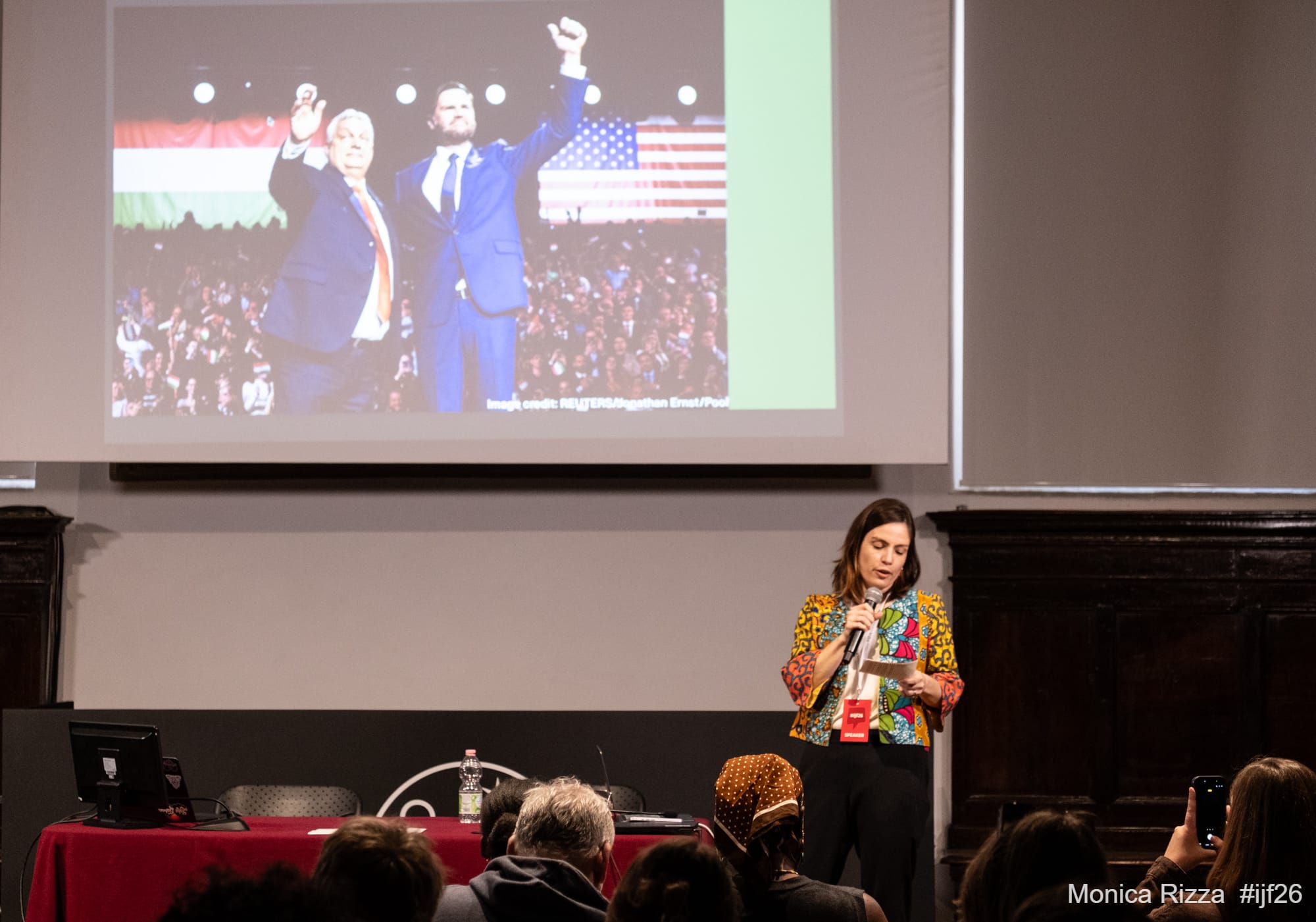
Key context: Drawing on Hungary’s slide into authoritarianism under Viktor Orbán, CEO Zsuzsanna Lippai – a Hungarian-American — highlighted how independent media were systematically targeted through foreign agent laws, defamation, funding restrictions, and state media monopolies. She warned that US journalism is dangerously unprepared for similar pressures, as seen during Trump’s second term with funding freezes, anti-NGO measures, and attacks on public media.
Critical insights: Lippai embedded survival tactics from Hungary into The Fuller Project's US operations, including:
Financial diversification, including contingency plans for frozen accounts and alternative legal incorporation abroad.
Rigorous compliance and data retention policies to avoid legal pretexts for shutdowns.
Crisis communications protocols and legal preparedness for congressional scrutiny.
What’s next: The Fuller Project is future-proofing against democratic backsliding by continually stress-testing its financial, legal, and operational resilience. The team is committed to learning from colleagues in more repressive environments, maintaining editorial independence, and building rapid-response protocols for new threats.
One quote:
My message to our colleagues from Western media outlets is that it is not business as usual, and that Hungarians have learned that there are moral, ethical, editorial, and operational choices that you have to make as a newsroom – not only because you're looking to survive, but also because presumably you're looking to serve your audience. — Zsuzsanna Lippai, CEO, The Fuller Project
Zsuzsanna Lippai, CEO, The Fuller Project
🇮🇳 Newslaundry: A lighthouse in the darkness
Organisation and model: Newslaundry is a digital news platform founded in 2012, pioneering an ad-free, subscriber-funded model in the world's most populous country, India. By relying solely on reader revenue, Newslaundry deliberately insulates itself from government and corporate influence. It is known for its media critique, investigative reporting, and collaborations with other independent outlets, such as The News Minute, with which it now shares a bundled subscription.
Key context: India’s independent media operate in a hostile environment: the state is regulator, litigant, and the largest advertiser, wielding economic and legal levers to suppress dissent. Legacy media, often owned by conglomerates with government dependencies, have largely aligned with the establishment. Independent outlets like Newslaundry and The News Minute face relentless pressures — tax raids, defamation suits, content takedowns, and algorithmic marginalisation. As Vignesh Vellore (The News Minute's CEO) noted on the same panel, small publishers must navigate a maze of compliance, legal harassment, and platform dependency, while legacy outlets flood the market with AI slop and government-friendly content.
Critical insight: Indiais a market with extremely low ability to pay. Newslaundry thinks of its journalism as a public good, where more affluent subscribers help subsidise access for all. Their model combines a partial paywall (with public interest stories always free), a focus on media critique, and a commitment to local-language, decentralised brands. By building credibility with local journalists and audiences, Newslaundry aims to create a sustainable, resilient ecosystem that can withstand state and corporate pressure.
What’s next: It is expanding its local-language offerings and deepening partnerships with credible regional journalists. The goal is to foster a network of strong, independent brands rooted in local contexts, rather than chasing a single national super brand. The team remains optimistic: India’s diversity and digital transformation offer fertile ground for new models, even as government interference intensifies.
One quote:
Economic students know the lighthouse problem: who bears the cost of the lighthouse that makes sure that ships don't crash into the rocks or into the harbour? Once it's built, it benefits everybody – the largest oil tankers and the smallest fishing vessels. But the ones who have the most resources actually take the cost of building that lighthouse. And that benefits everybody. I think the news economic model needs to be looked at a little like that. —Abhinandan Sekhri, co-founder and CEO, Newslaundry
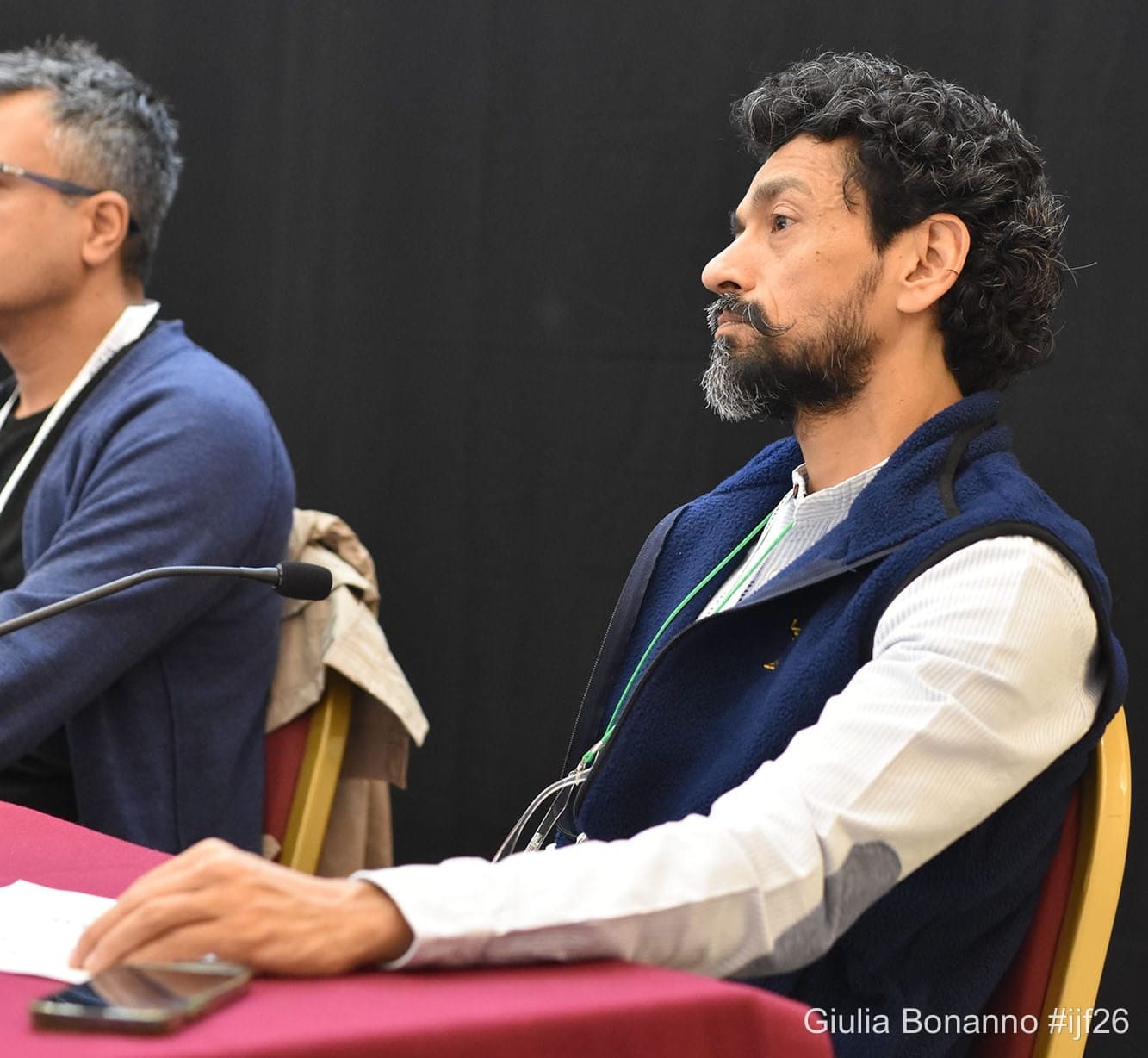
Abhinandan Sekhri, co-founder and CEO, Newslaundry
🇲🇩 Laf.md: The power of a diaspora
Organisation and model: Laf.md is an independent newsroom operating in Moldova’s Gagauz region — a small, Russian-speaking, geopolitically contested area with a population of about 150,000 (in a country of 2.7 million).
Key context: The region is highly vulnerable to Russian influence and has no tradition of audience donations, as journalism has long been politically financed. Laf.md depended on donor funding for its first year, but twice had its projects refused, leaving the newsroom with no funding for three months and no certainty of survival.
Critical insight: Despite the lack of a donation culture, they produced exclusive content and saw their monthly views rise dramatically: from an expected 7 million to 22 million annual views — an extraordinary figure for such a small region, with much of the audience coming from the diaspora.
What’s next: Laf.md is committed to maintaining editorial independence and growing its audience, especially among the diaspora. The team continues to seek new ways to diversify revenue and build trust, while navigating the ongoing challenges of political pressure and economic fragility.
One quote:
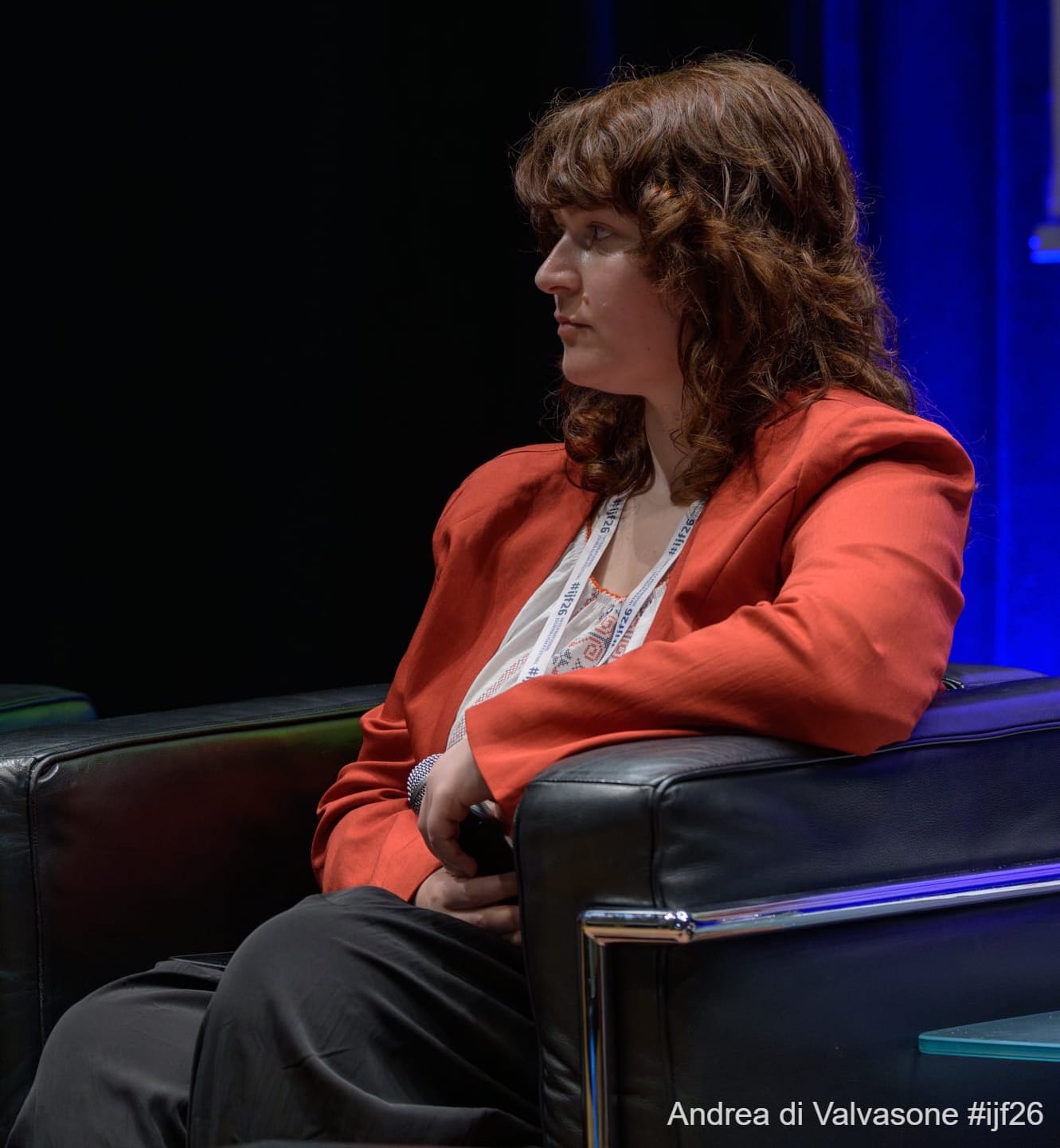
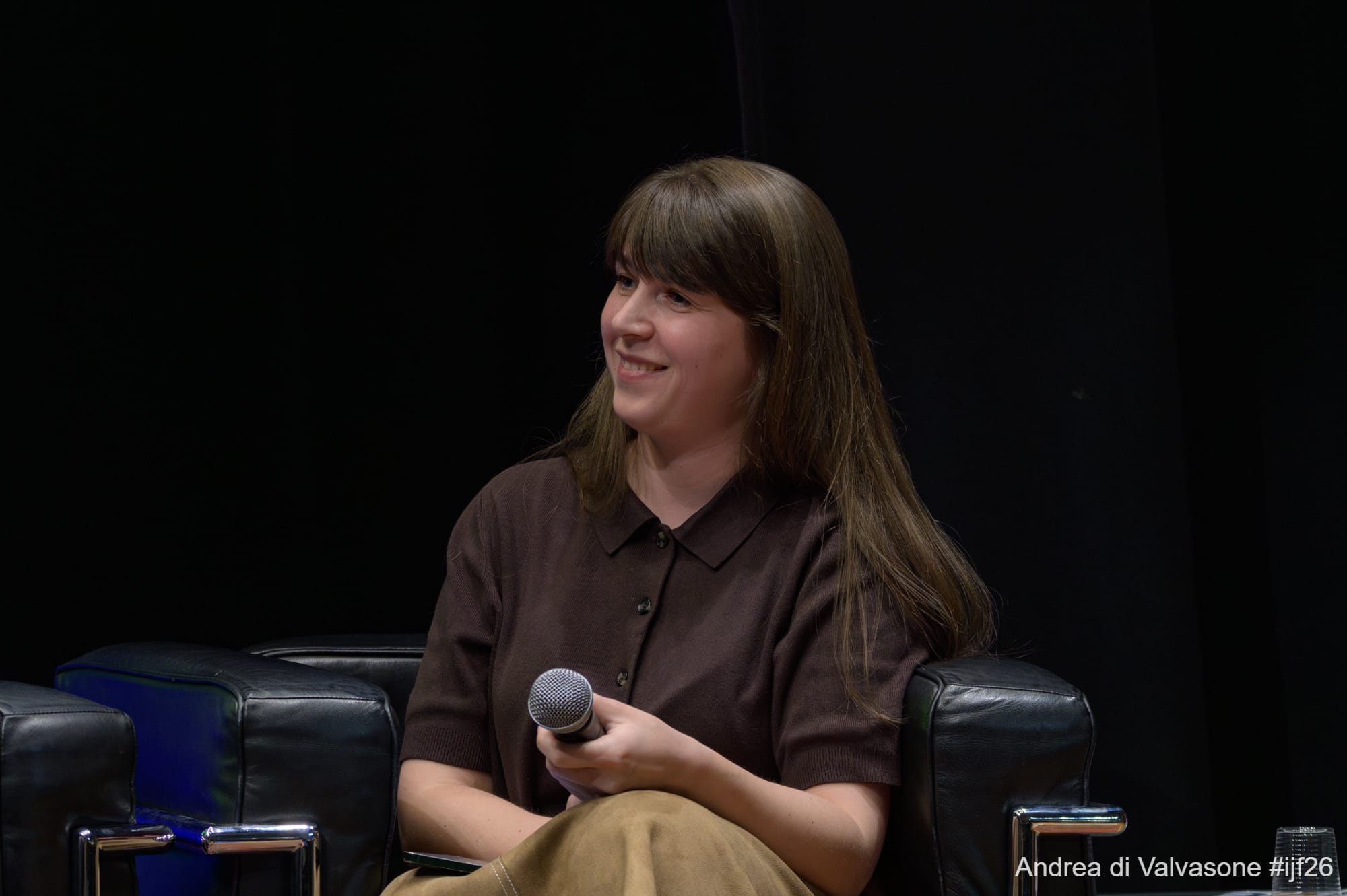
I think our mystery and intrigue for the people lies in that we are not picking a side. Everybody in Moldova picks a side. — Valentina Caledji-Poghirc, manager, Laf.md
Valentina Caledji-Poghirc, manager, Laf.md
🇺🇦 Varosh: Recovering from USAID funding collapse
Organisation and model: Varosh is a regional independent media outlet founded 13 years ago in western Ukraine to provide an alternative to oligarch- and politically-controlled local media. Initially a volunteer project, Varosh became heavily reliant on grants —by 2023, 80–90 per cent of its budget came from USAID and US-backed programmes. When this funding disappeared almost overnight, Varosh faced an existential crisis and had to choose: learn to earn money or disappear.
Key context: The collapse of donor funding came as Ukraine’s media sector was already under immense strain: since the full-scale invasion, over a quarter of local media outlets have closed or suspended operations. Varosh’s region, while not on the front line, faced unique challenges — an influx of internally displaced persons, veterans, and relocated businesses, all reshaping the social fabric. With only a small Czech grant left in March 2025, Varosh had to reinvent itself from scratch.
Critical insight: Inspired by successful crowdfunding campaigns in neighbouring countries, Varosh decided to diversify its business model. In 2024–25, Varosh’s revenue mix became: 45 per cent grants, 22 per cent advertising, 27 per cent business donations (mostly local, with no fixed amount), and 6 per cent reader revenue. They launched a monthly community subscription (now 350 members), revived a print magazine (the region’s first and only), and created value through events, book clubs, and networking for members. Local businesses now contribute a quarter of annual expenses, and Varosh can cover 95 per cent of staff salaries without grant funding. The newsroom’s culture shifted — every team member now understands the source and purpose of revenue, and new roles (fundraiser, sales manager, community manager) have been integrated into editorial routines.
What’s next: Varosh continues to build on its diversified, community-driven model, treating its members as ambassadors who suggest topics and amplify impact. The outlet is committed to further reducing grant dependency, deepening local business partnerships, and expanding its community offerings, even as wartime conditions persist.
One quote:
When we did the research and asked members 'why are you here?' Mostly they wrote and told us that because of community and networking, because you need to have somebody near you with the same mindset and understand that you are not alone in the craziness of this city. – Rosana Tuzhanska, co-founder and CEO, Varosh
Rosana Tuzhanska, co-founder and CEO, Varosh
⚡ Five quick hits
🇳🇱 SpilNews (Mediahuis): A youth-focused spin-out brand
Screenshot: Reform UK's leader Nigel Farage hosting his show on GB News
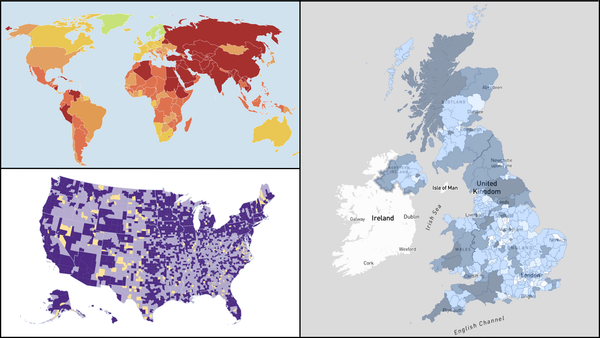
Screenshots of Reporters Without Borders Press Freedom Index (top left), Northwestern Local News Landscape (bottom left) and Public Interest News Foundation Local News Map (right)