Every December, journalism tries to forecast the next big disruption: Which platform will pivot? Which revenue stream will wobble? Which workflow will finally break?
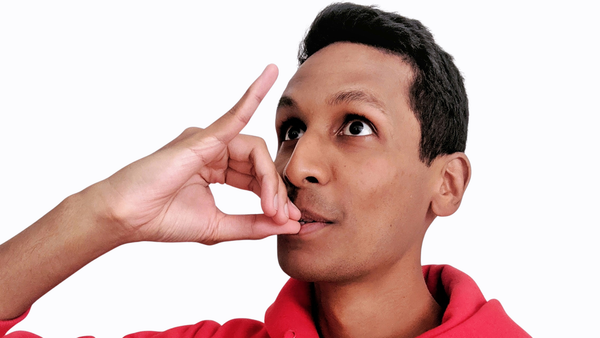
But as 2025 ends, a quieter, more powerful force is shaping newsroom behaviour: fear.
Fear of being wrong. Fear of being replaced. Fear of being targeted. Fear of losing relevance or identity.
In a new scoping study I co-authored, we mapped how fear actually functions inside news organisations. The finding is hard to ignore: fear is shaping strategy, culture and editorial decision-making more deeply than any single technology trend — including AI. And in 2026, leaders will have to confront it directly.
1. Innovation anxiety will matter more than AI itself
Newsrooms describe slow adoption as caution, but beneath it lies fear of inadequacy or obsolescence. The organisations that move ahead in 2026 will treat emotional readiness as part of their innovation strategy.
2. “Vertical fear” will finally be acknowledged
Managers fear pushback; teams fear retaliation. This mutual apprehension suppresses honest feedback and slows decision-making. Naming it is the first step to fixing it.
3. Freelancers will become the industry’s ethical stress test
They take the biggest risks with the least protection. In 2026, newsroom credibility will hinge on how they treat the people who often carry the heaviest load.
4. Economic pressure will deepen self-censorship
Fear doesn’t only sensationalise — it silences. Commercial, political and algorithmic pressures push journalists toward “safer” choices. Newsrooms that reinforce editorial independence will retain trust.
5. Crises will expose emotional resilience gaps
War, climate shocks and disinformation storms demand more than stamina. The strongest journalism in 2026 will come from organisations that prioritise reflection and support, not just heroics.
The big picture: Fear has always shaped journalism, but 2026 will be the year it becomes a strategic variable. Newsrooms that learn to recognise and manage it will move faster, think more clearly and serve the public better.
About the author
Dr François Nel is a reader in media innovation and entrepreneurship and director of the Media Innovation Studio at the University of Lancashire, where he leads the Journalism Innovation & Leadership (JILeaders) Programme and its applied learning pathway — from the part-time, distance-learning Postgraduate Certificate through to the MA and the PhD by Portfolio. A long-time researcher of media transformation, François is co-author of World Press Trends Outlook, with the next edition to be published in January 2026. His latest open-access article, Fear Factor: Mapping the Influence of Fear in News Media Management, is available here. Learn more at: www.mediainnovationstudio.org