DNA09: BBC's Virtual College of Journalism creates global training network
Soon-to-be-launched college site is at heart of multi-lingual training microsites, says Kevin Marsh

– 1 min read


Soon-to-be-launched college site is at heart of multi-lingual training microsites, says Kevin Marsh
This article was migrated from an old version of our website in 2025. As a result, it might have some low-quality images or non-functioning links - if there's any issues you'd like to see fixed, get in touch with us at info@journalism.co.uk.
The BBC has created a series of global journalism training sites as part of the launch of its Virtual College of Journalism, scheduled for six weeks time.
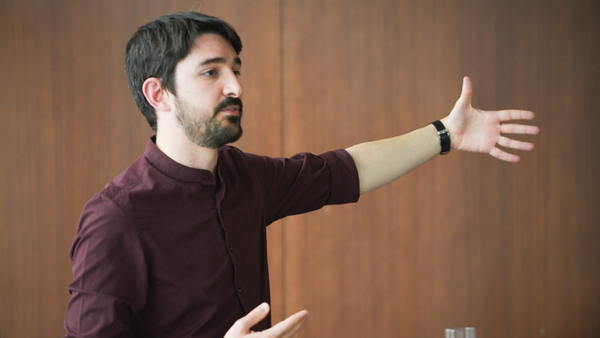
Speaking at yesterday's Digital News Affairs 2009 (DNA) conference , BBC College of Journalism editor Kevin Marsh said he was 'quietly proud' of the international microsites, such as this one at BBCAfrique.com , which have been live for around two weeks.
"We wanted to offer very basic journalism learning in the 33 languages that we broadcast. In a lot of these places journalism was under threat or there was no journalism learning at all," he told delegates.
Some sites have seen hundreds of thousands of visits since their launch, he said, adding that the Burundi site was a particular success.
"There are no journalism schools in Burundi. So we have feedback saying this is the first opportunity in Francophone Africa to discuss journalism that people have had," said Marsh.
The sites will give public access to BBC training resources and guides. The main BBC College of Journalism site (expected to launch at www.bbc.co.uk/journalism) will feature 250 films, 2,500 pages of articles and a range of self-testing services.
A small proportion of material will be reserved for internal BBC use, Marsh added.
The new online college is intended to be an intelligent learning environment, which can be updated to meet the changing training demands of journalists, he said.
"We [the BBC college of Journalism] know how fantastically difficult it is to predict the kind of skills, mindsets and cultures that we're going to need in six months time let alone a decade's time. Any journalism learning site has got to ask how is journalism changing and what's it going to be?" he said.
"The site's biggest weakness [at the moment] is that it is very editorially set. We at the college select the learning material that we are giving to our learners. A much more important part of journalism learning is the pull learning, which isn't as strong."