The threats to press freedom and journalism safety are growing increasingly grave. I’ve been working at the intersection of journalism, media safety and press freedom for more than two decades and I’ve never known the risks as concerning or comprehensive.

A storyteller at heart, I cut my teeth as a journalist and later moved into work that spanned press freedom, holistic journalism safety and mental health.

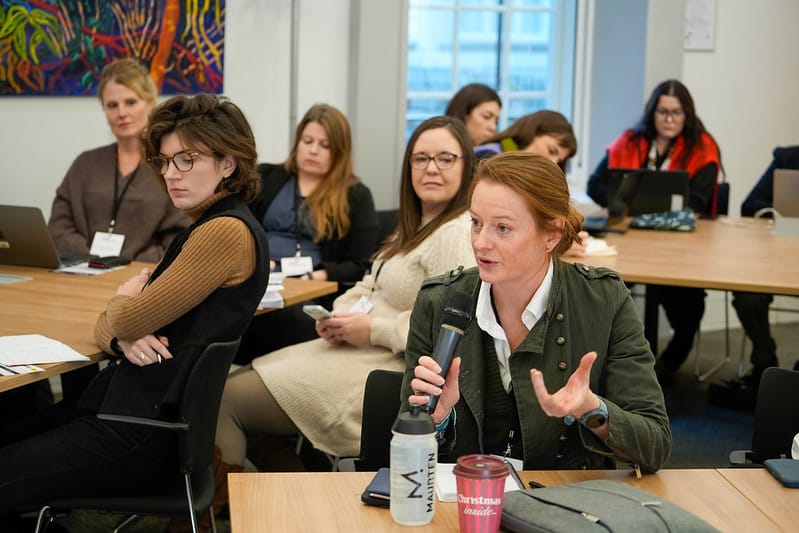
At Newsrewired last November, listening to Dan Mclaughlin, Rachel Sibley and Jacob Granger talk about the power of podcasts, I had a lightbulb moment.

Me in the podcast workshop at Newsrewired, November 2025

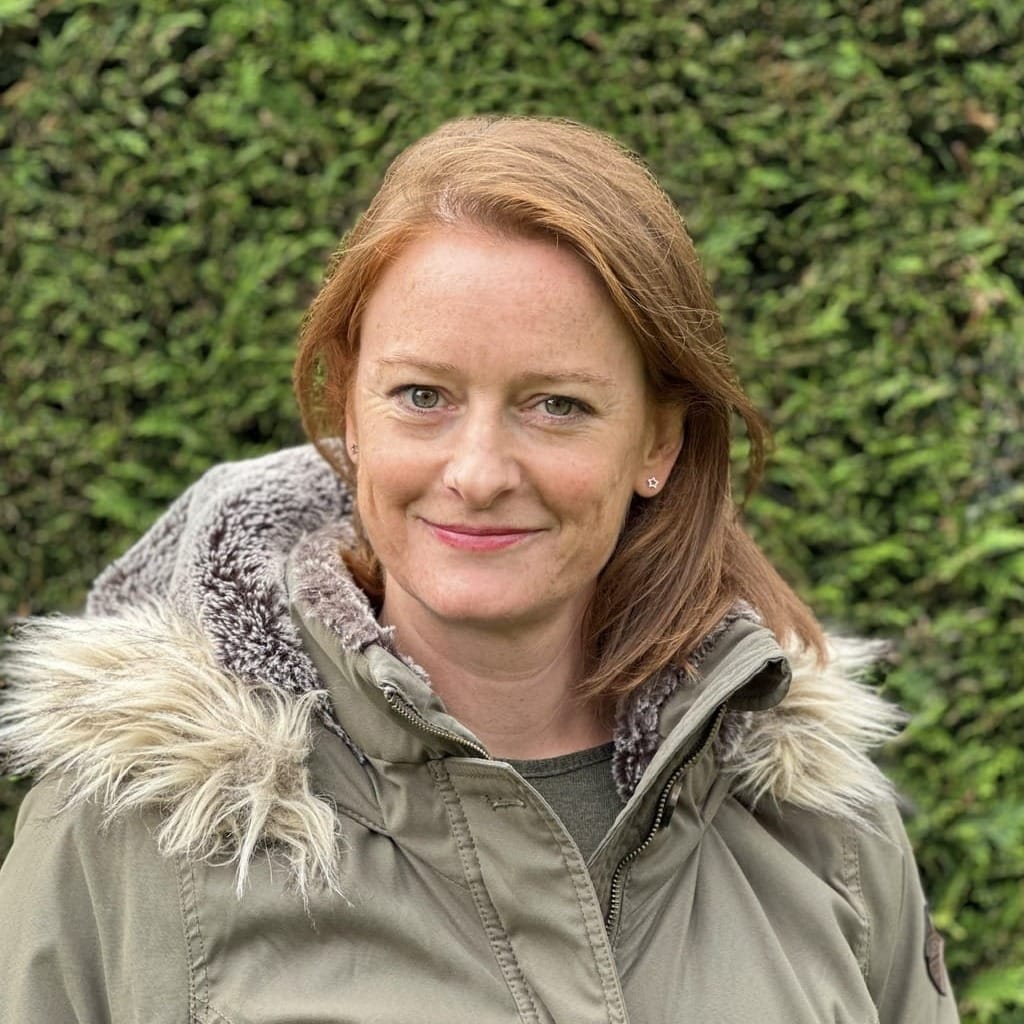
On the eve of this World Press Freedom Day (3 May 2026), I have realised the decision I made on that day. I am launching Shooting the Messenger: the Case for Press Freedom, having decided to turn my passion and professional experience into a podcast. I want to help people everywhere understand that when journalists are attacked, we risk hurting not just the messenger and the message, but society more broadly.

I thought long and hard about this name. I’m very conscious of its ethical connotations, but I felt I needed a brave, bold and powerful title because too many people think it’s okay to attack journalists. We cannot shy away from difficult conversations. I needed a name as fearless as the guests on my show. 

Around the world, democracy is dying in the darkness, to borrow the banner of Washington Post, which has seen its own haemorrhaging of media jobs. We’re witnessing a rise in the killings, imprisonment, detention of our colleagues, as well as an increase in online, legal, and physical attacks. Political polarisation, media capture, job cuts, disinformation and increased pressures to do more with less are all taking their toll on our industry.

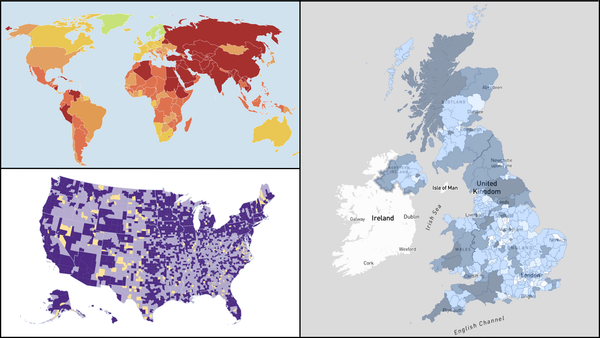
UK press freedom: RSF Index reveals global crisis and rising risks at home
The average global score for press freedom is at its lowest since the Index began in 2002 - as legal threats emerge as the fastest-growing silencer of journalism

In each episode of my podcast, I speak with individuals who keep pushing for press freedom often despite difficulty, despair and danger. I hear why they believe we shouldn’t shoot the messenger and what message they would give people who don’t yet see how deeply press freedom underpins our daily lives and human rights. I hear about how they became involved in this field and how they find the resilience to keep on going.  I want to keep on going with this podcast too and, as enthusiasm grows, I hope to be able to source support to keep the conversation and our colleagues front and centre.

My launch series features conversations with four colleagues: Jodie Ginsberg, CEO of the Committee to Protect Journalists, Diane Foley, mother of the American journalist Jim Foley who was murdered by ISIS, Sergiy Tomilenko, president of the National Union of Journalists of Ukraine and Rachel Corp, CEO of ITN. Their compassion, care and commitment has already convinced me of the need for this project.

Below are quotes from each of those episodes, that I believe are a clarion call to all of us:

Jodie Ginsberg:

We talk about democracy, we talk about the value of press freedom as a human and fundamental right. That doesn't mean a lot to most people. And to me, I don't want to protect journalists because I think we are a sort of special breed of people that need more protection than other people.

I do it because I fundamentally believe that without free expression, we don't have the ability to articulate the need for other rights and freedoms. Absolutely the cornerstone of our ability to access those other rights and freedoms.

Diane Foley:

I feel people who are attacking our journalists, trying to obscure the truth, are destroying our world, are never the answer.

Jim was always really quite a pacifist. He went into the war zone to better understand what soldiers feel, what civilians feel, what it really is like so that we as citizens might know the horror of war, that war is the antithesis of a peaceful whole society.

So it's always the most sad choice to me.  I think we need to look up to people who dare to continue to have hope and to keep bringing hope into the world because that is hope and love will win.”

Sergiy Tomilenko:

The slogan of my union is journalists are important… Now this slogan is the main slogan for Ukrainian journalists. During war journalists are important. I think that press freedom is a part of our profession.

Journalists are important because citizens can be informed about everything and can freely elect their futures or others. So if you want to decide about your future, your children, your country, you should support press freedom, you should protect journalists and media. So it's right to receive not false, not fake [news], but to receive truth.

Rachel Corp:

I start from the point where I don't think you should attack anybody, but I think understanding that journalists are on the side of people. Certainly in the UK and certainly in my part of media, we're not working on behalf of anybody. We're not there to spin one side or other. We are there to surface things on behalf of the public. It's public service journalism. We're not even doing it for ourselves. We're not doing it because we have a particular view about this, that or the other. It's surfacing stories that matter. It's making sure that voices are heard. It's holding power to account. And that's all power.

Would you like to be the next guest on my show? Get in touch via my website or LinkedIn.


Shooting the Messenger: the Case for Press Freedom is available on Apple podcasts and Spotify and will shortly be available on YouTube. Hannah Storm is the director of Storm Media Consulting, a media safety and mental health expert and storyteller, the founder of Headlines Network and the former CEO of the International News Safety Institute and the Ethical Journalism Network. 

Share with a colleague

Written by

Hannah Storm
Hannah Storm is a resilience mentor, storyteller and expert in journalism safety. She is the former director of the International News Safety Institute, the Ethical Journalism Network, and the co-director of Headlines Network.

Comments