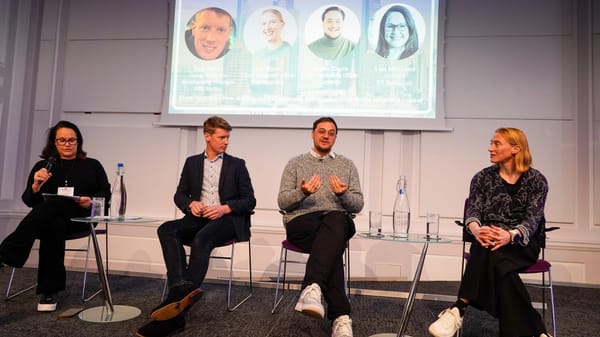
FIPP 09: Google shared $5bn with advertising partners last year, says UK chief
Search giant is working with publishers who should learn from e-commerce sector, says Matt Brittin

– 1 min read


Search giant is working with publishers who should learn from e-commerce sector, says Matt Brittin
This article was migrated from an old version of our website in 2025. As a result, it might have some low-quality images or non-functioning links - if there's any issues you'd like to see fixed, get in touch with us at info@journalism.co.uk.
There used to be something here that couldn't be migrated - please contact us at info@journalism.co.uk if you'd like to see this updated!
Google shared $5 billion with online content producers through its AdSense programme , the search giant's UK chief has said.
Speaking to delegates from the magazine industry at the 37th FIPP World Magazine Congress , Matt Brittin, who became Google UK managing director in March this year, said the company is working very hard with publishers to help them make money online.
Publishers should learn lessons from the e-commerce sector and 'turn the publishing model on its head' by serving up specific content in response to search queries, rather than expecting users to come through their site, said Brittin.
[Listen to the full audio of Matt Brittin's speech at this link ]
The use of real-time data to monitor consumers' and competitors' interests is particularly important, he said.
"One of the challenges for creative people is that there's more data than ever before," said Brittin.
"It's the smart combination of data, telling you what people are interested in, with judgment, experience and instinct (...) [to provide] content that will really pull in that audience.
"There are huge opportunities for publishers to use similar technologies [to e-commerce] to understand how people are engaging with their content and the range and breadth of content offered to people coming from different places."
Free technology, including Google's own tools, can help publishers adopt to consumer trends, said Brittin.
For example, the increasing demand from magazine and newspaper website users to participate in content can often be met with free tools, such as plotting stories on Google maps and YouTube video.
Google believes some consumer behaviour online, including the adoption of free and participatory technologies, will be accelerated by the current economic downturn, said Brittin.
It is crucial that publishers are insightful, agile and efficient enough to respond to this, he added.