From Reuters reporter to freelance coach: Isabel Woodford
Thinking of going freelance? Former Reuters correspondent talks about why she took the leap into solo journalism and why she's now helping others do the same
– 3 min read


Thinking of going freelance? Former Reuters correspondent talks about why she took the leap into solo journalism and why she's now helping others do the same
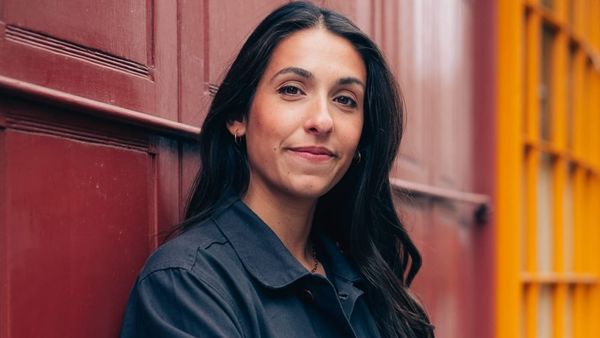
Isabel Woodford resigned from Reuters in February 2024 after months of planning, knowing she was moving back to the UK from Mexico. She reached out to some 50 contacts before leaving, which resulted in landing her first client and a foot in the door at the BBC's radio HQ in Manchester. She actually didn't send a pitch until five months in, spending that time building a financial base and figuring out what she wanted to pitch.
She knows firsthand how hard it is to be a freelancer, so these days she divides her time between client work and training other freelancers. JUK caught up with her to talk about the changing nature of journalism and practical tips for those who decide to become their own boss. The interview is edited for brevity and clarity.
JUK: What made you go solo?
IW: Seeing other freelancers I admired doing great work was a big motivation. Plus, to be completely honest, I began thinking - and worrying - about the future of the media. It wasn't about finding a better newsroom - there are few places as good as Reuters. It was just a realisation that media has radically changed (and diminished) over the last three decades; so I calculated that I could find more opportunities outside of a traditional role.
How did you land your debut piece for The Atlantic?
That pitch was actually rejected by four or five outlets first (including Guardian Long Reads) before I finally landed it there. But I really believed in the idea. I knew the Atlantic had a Family section (I read the magazine), so found an editor via LinkedIn. I messaged her, and we had a detailed back-and-forth before she commissioned it. That email exchange alone really helped me solidify the pitch, and the direction of the piece.
How do you approach editors?
I approach them as peers, not bosses. I also look for editors I genuinely trust; that comes from good conversations, watching or reading their interviews, or just noticing how they communicate. It's no coincidence that my favourite editors to work with are the ones I have great rapport with offline too.
How has your freelance experience been?
I think people are always surprised when I tell them I've enjoyed it. It's not been easy at all. But I've found it to be a very refreshing challenge, and the autonomy can make the difficult days feel worth it. My mantra is "you need three things to survive in freelance: commercial (sense), chutzpah, and creativity." That first one in particular is something I feel grateful for and that I've worked really hard on.
I've also been very strategic about building a pipeline. I always plan for one to two months ahead, building in five to ten meetings per month, knowing they probably won't pay off until several weeks down the line. That's how I handle the inherent uncertainty.
The single best thing I've done is build a network of freelancers I admire (often just reading their work, then reaching out for a coffee/beer). We just chew the cud, and several have become friends.
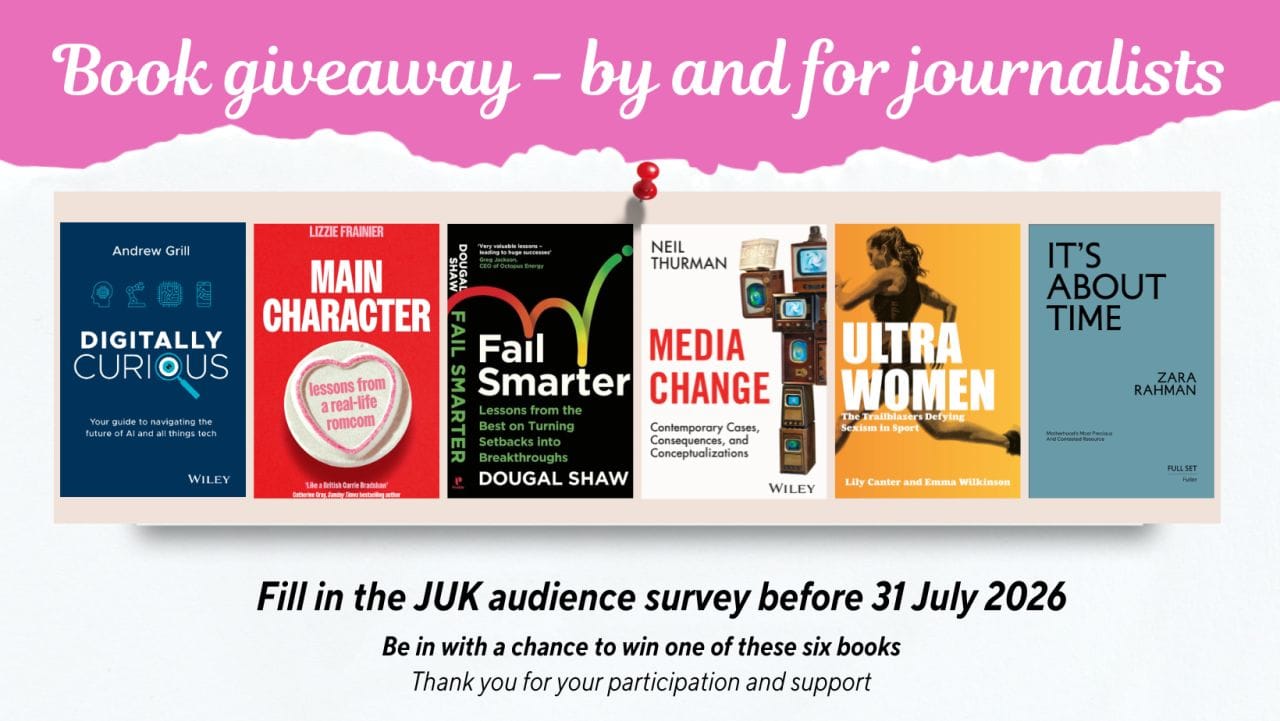
Help us shape JUK. Take our quick audience survey for a chance to win one of six brilliant books. It only takes five minutes - your voice will directly influence our future coverage and make a real impact
What practical steps can someone take today if they want to start freelancing or get more commissions?
I actually documented all of the steps - and missteps - that I took as I went. I was shocked at how little real help and guidance there was online, and how isolated I felt despite being an experienced journalist. So earlier this year, I published it all via my online freelance journalist course (Use code JOURNALISMCO to get £5 off, or message me if you've been recently laid off).
There are three modules, all super compact and detailed, with an extensive outline of the resources and cheat sheets that helped me. I talk about money (rarely discussed), I share the pitches that worked with major publications (FT, Atlantic, Guardian, and others), and I give detailed explanations for how to think about freelancing. It's been really rewarding to get such positive reviews.
My other bit of advice is to make time to soak up inspiration. I spend around half of my day reading, typically on Substack, scooping up ideas and brilliant writing.
How do you see freelancing changing, and what should newcomers be prepared for?
My instinct is that freelancing is going to become ever more common, as newsrooms shrink and become more 'fractional'. So I think it's important for any journalist - newcomer or not - to prepare for that scenario. It's currently a very disparate community, but I see that changing. And I'd like to do my part in that.