Having a crisis of confidence? You're not the only one
Are we all faking it until we make it? A former BBC correspondent lifts the lid on her anxieties presenting live news and what you can do to feel more confident at work
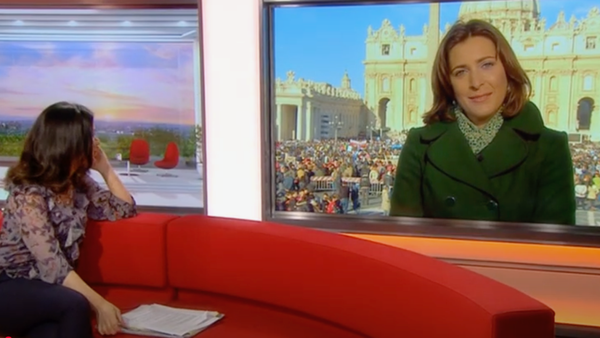
Luisa Baldini (inset) reporting live for BBC News the inauguration of Pope Francis (2013)
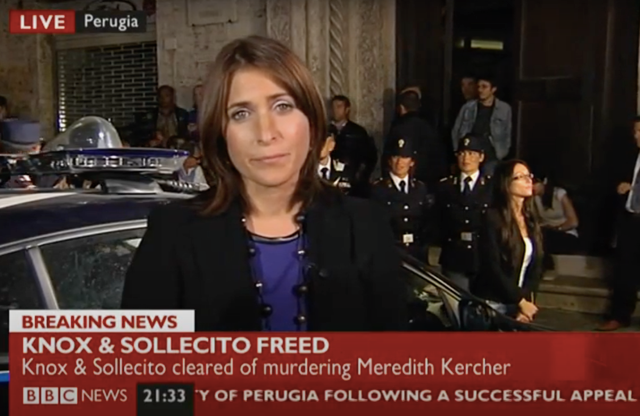
When Luisa Baldini was assigned in 2011 to coverthe high-profile Amanda Knox case— a global media event centred on the trial of an American student accused and then acquitted of murder – she faced a true crisis of confidence: she had to break the verdict live to a huge simulcast on both BBC News and BBC World Service, reaching millions of viewers around the globe from Perugia.
Internally, she was terrified, gripped by anxiety and the weight of the moment. Yet, on air, she maintained her composure, determined not to let her nerves show. The stress and intensity of the job landed her ill in bed for a week.
Luisa Baldini reporting live from Perugia the Knox verdict for BBC News
Whatever your "high-stakes moment" is – a live bulletin with bosses, peers, and the public scrutinising every word; a daunting assignment dropped last-minute; delivering on a big internal project – we can all be guilty of building up these moments in our heads and being unable (or unwilling) to seek support because we don't want to be judged.
Admitting our own lack of confidence could lead to our audiences or our bosses losing confidence in us.
From BBC News correspondent to co-founder of a media training business, Composure Media, Baldini decided to channel her experience into coaching business leaders through their own confidence crises. She now sees firsthand how many organisations still struggle with the stigma around discussing confidence openly. Looking back on her time in newsrooms, she wishes she'd had a career coach to confide in: someone who could help share the burden of doubts and nerves.
“I don’t think anyone knew that every single time [on live TV] I was putting myself through the mill with a lot of nervousness and anxiety," she tells JournalismUK.
"But as a good communicator and presenter, you need to instil confidence in your audiences. And in journalism, your audiences are not only the people reading or viewing your report or article. Your audiences are also your immediate colleagues and editors.
"So I very much suffered in silence and had to just find my own supporting mechanisms to get through it every time. But especially when I was deputy royal correspondent in my last two years, that was another level of anxiety because of the extra scrutiny you’d receive in a breaking news story."
So what can you do? There are coping mechanisms that journalists can employ in their jobs, but leadership also has a hand to play in fostering a culture of confidence. Baldini advises: