How The Guardian, Contexte, and Iliffe Media are winning the subscription battle
How do you get people to pay when they're used to free products or you're up against stiff competition?

– 4 min read


How do you get people to pay when they're used to free products or you're up against stiff competition?

As the news industry faces a new era of digital disruption, three very different publishers – The Guardian, Contexte, and Iliffe Media – are each rewriting the playbook for acquiring and retaining subscribers.
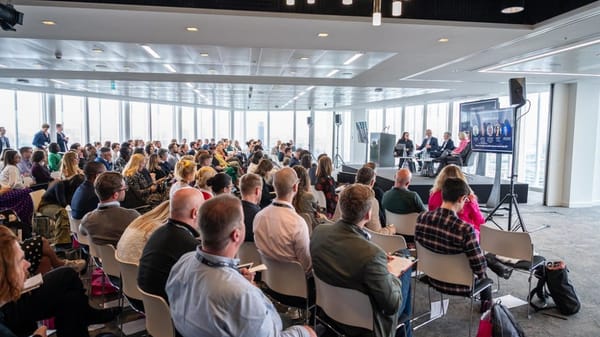
At Newsrewired, their leaders shared how they’re changing their business models, creating new products, and building loyalty in a rapidly changing market.
The Guardian, long known for its open-access, voluntary contribution model, is now seeing the majority of its growth come from regular monthly subscriptions:
Last month, the Guardian introduced a premium subscription called Digital Plus for £18 a month. Subscribers get digital magazines, access to old Guardian articles, and no advertisements.
This sits above their standard digital subscription and serves two purposes: it gives their biggest fans extra perks worth paying for, or it makes casual readers more likely to choose the standard subscription (the middle option) instead.
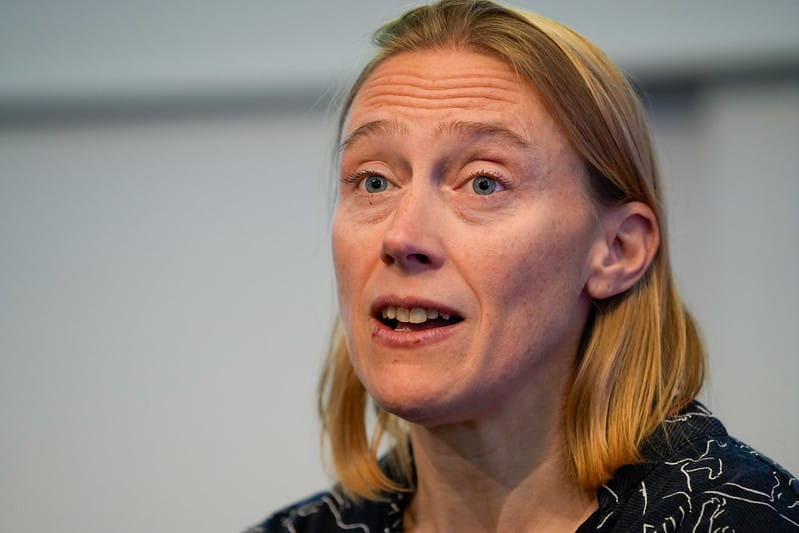
 Aruni Sunil
The Guardian keeps the one-off donation model for the readers who want to just chip in every now and again. Not just for the revenue, though - it also reveals critical data.
“We watch like a hawk where we get spikes of conversion on particular articles or activities or days," explains chief support officer Liz Wynn, adding that the publisher then uses this data to identify what content or topics motivate readers to donate. These data then help shape email campaigns and on-site banners to maximise engagement and conversion.
Contexte, a French B2B publication, has carved out a niche with a premium, subscription-only model – though the price is tailored to an organisation's size and needs. It can, reportedly, cost more than the Financial Times' top tier at £59 a month.
Its core audience of 12,000 EU public affairs professionals across 1,600 organisations relies on Contexte not just for news, but for specialised services like law tracking, MEP directories and AI-powered commission summaries.
These tools help subscribers navigate complex policy environments and save time, making the publication indispensable. This has helped Contexte stand out in a fiercely competitive EU-reporting landscape.
 Jacob Granger
"We’re an independent shop. We're very mission-based. We’re recognised for our very particular view on journalism and on information," says chief marketing officer Sacha Cayre.
"Whenever that becomes part of the conversation, we see that we’re building a deeper bond with our clients

Iliffe Media, a legacy regional publisher with 50 titles across the UK, is proving that premium products can work in local news – even if audiences aren't used to it and don't like being asked to pay.
Titles like KentOnline and Newbury Today charge £5 a month for access to a premium website with little advertising and an accompanying app. The latter title gained 3,000 subscribers in 18 months by using this model.
 Jacob Granger
Iliffe got rid of its automated chatbots and now uses real customer service staff to talk to readers who want to cancel their subscriptions. Talking to another human appears to help, improving retention by 60 per cent.
"Subscriptions are not just transactional, they’re emotional,” says group audience development manager Paul Fisher.
“Readers want to know they’re talking to a real person who understands their community.
This article was drafted by an AI assistant before it was edited by a human
All photos: Mark Hakansson / Marten Publishing