Insidious privacy laws are strangling British media, says NOTW editor
High Court edicts on privacy have left media in 'an unrecognisable place'

– 1 min read


High Court edicts on privacy have left media in 'an unrecognisable place'
This article was migrated from an old version of our website in 2025. As a result, it might have some low-quality images or non-functioning links - if there's any issues you'd like to see fixed, get in touch with us at info@journalism.co.uk.
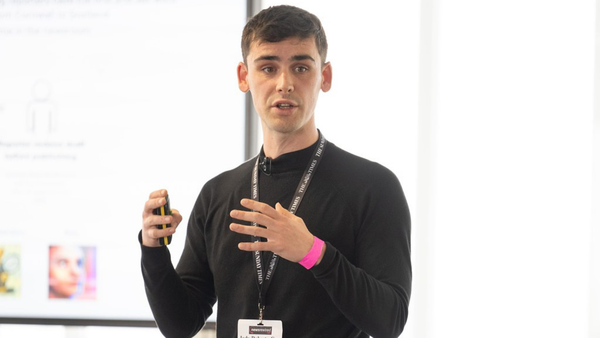
'Back door' privacy laws are 'strangling the British media', Colin Myler, News of the World editor, has told an industry gathering.
Myler, who was speaking at the Liverpool Press Club event, said the lack of parliamentary debate about privacy legislation was a threat to freedom of speech and the press.
While the media itself is not blameless for its current predicament, privacy judgments handed down by Justice Eady and other high court judges has left the UK media 'in an unrecognisable place', he said according to a report from Mercury Press .
In his speech, Myler, whose paper was ordered to pay damages to Max Mosley as part of a privacy action in July , echoed the issues raised by Daily Mail editor Paul Dacre in his address to the Society of Editors conference last month.
"[T]he insidious way in which a privacy law is being imposed on the British press through the back door is shameful," said Myler in the report.
"There is little or no debate through our elected MPs in Parliament, only edicts from the benches of the High Courts in London fed by Human Rights judges in Strasbourg who are, in any case, unfriendly to freedom of expression."'
Smaller newspaper publishers are being 'bullied' through privacy legislation, as the cost of legal action is too high for them, he added.
At the event Myler said he saw a strong future for the UK's print industry despite the current economic climate.
"Some [newspapers] will struggle to survive, but, as an industry, we really do have to be more positive and not allow those so-called media experts and commentators to tell us how badly we are doing," he said.