Journalists criticise science community's handling of 'Climategate' affair
BBC journalist claims scientists 'cannot remain in their ivory tower' while public interest stories break around their research
– 1 min read


BBC journalist claims scientists 'cannot remain in their ivory tower' while public interest stories break around their research
This article was migrated from an old version of our website in 2025. As a result, it might have some low-quality images or non-functioning links - if there's any issues you'd like to see fixed, get in touch with us at info@journalism.co.uk.
The academic science community has been criticised by BBC and Guardian journalists investigating the 'Climategate' affair. The affair saw hundreds of emails and documents leaked from climate scientists at the University of East Anglia, leading to allegations of scientific malpractice from climate change sceptics.
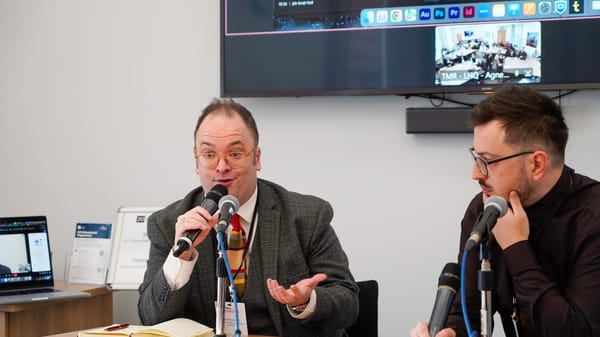
Speaking on a climate change panel at the Frontline Club last night, BBC environment correspondent Richard Black claimed the research community was 'underprepared for all facets' of the scandal. Black called for more transparency from the scientific community and said that scientists 'cannot remain in their ivory tower' while public interest stories break around their research.
"Clearly a lot of the scientists involved thought they would just be at conferences," he said. "They need a different skillset if [research] becomes controversial."
The scientific research community had also been too ready to dismiss journalists as "hostile" according to Guardian online environment editor James Randerson. "The PR department from UEA offered nothing at all – nothing to people sympathetic to their arguments and their scientists," he said.
Randerson admitted that some media outlets had sensationalised Climategate coverage to the detriment of scientific accuracy. "The emails did provide lots of very colourful quotes. In some ways it was quite easy to report – or it was reported very badly, with quotes taken out of context or without explanation," he said. In April an independent panel concluded there had been no scientific malpractice at the University of East Anglia’s research unit, while a House of Commons report into the affair concluded the media focus on academic secrecy had been 'largely misplaced'.