MTC09: Interactivity at heart of Irish Times' development, says MD
Irish daily newspaper will increasingly focus on comment and opinion, says Maeve Donovan
– 1 min read


Irish daily newspaper will increasingly focus on comment and opinion, says Maeve Donovan
This article was migrated from an old version of our website in 2025. As a result, it might have some low-quality images or non-functioning links - if there's any issues you'd like to see fixed, get in touch with us at info@journalism.co.uk.
There used to be something here that couldn't be migrated - please contact us at info@journalism.co.uk if you'd like to see this updated!
More people consume news and information than ever before, but the Irish Times still needs to get to grips with online interactivity, its managing director Maeve Donovan said today.
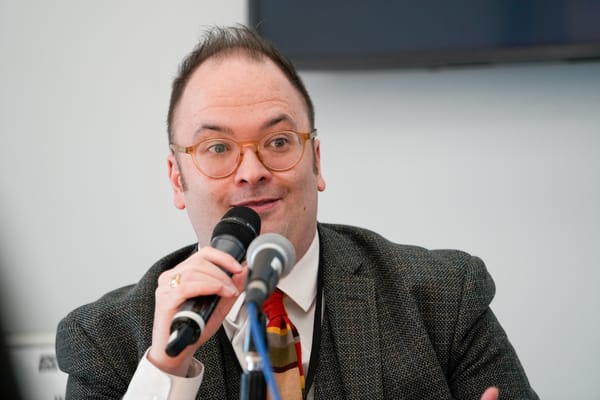
Interactivity is an element her company 'hasn't quite cracked yet', she told delegates at the WAN-IFRA 'Managing the Crisis' conference .
"Moving into interaction lies at the heart of the changes we need to make," she said. It also needs to better understand print behaviour and why - or why not - young people buy newspapers.
Opinion and comment should be the focus for newspapers, she argued. An op-ed, or letter to the editor, is no longer the privilege it once was with the proliferation of blogs and social media. The 'laws of communication are changing around us', she added.
Temporary trends should not be ignored, she said: "It doesn't matter if it's a fad or not - we need to be there for as long as these people think it's relevant."
Donovan praised TheMarkNews.com news network, based in Canada - like Huffington Post 'without the movie stars,' she said. "The editorial role is about curation and filtering, and for [raising] issues that might not otherwise get an airing," she said.
"We will be doing part of it very soon," she added. No specific product launch is planned, she later told Journalism.co.uk, but the title plans to increasingly focus on expert comment and opinion.
While newspapers no longer enjoy the advertising monopoly they once did, they can make use of their existing brands: "The audience now wants to participate in the debate. They trust us and traditionally they have trusted us."
But what they must not do, she said, is dwell on debates, such as whether or not sub-editors are needed: "While we're tearing ourselves up [we're] not taking opportunities."