New free course on war reporting launched
An online training equips journalists with skills like being an eye witness or dealing with traumatised survivors

– 1 min read


An online training equips journalists with skills like being an eye witness or dealing with traumatised survivors
This article was migrated from an old version of our website in 2025. As a result, it might have some low-quality images or non-functioning links - if there's any issues you'd like to see fixed, get in touch with us at info@journalism.co.uk.
Reporting from a war zone is one of the most difficult journalism jobs. From risks to safety to impact on mental health, these assignments require careful planning, understanding of ethical implications and thorough risk assessment.
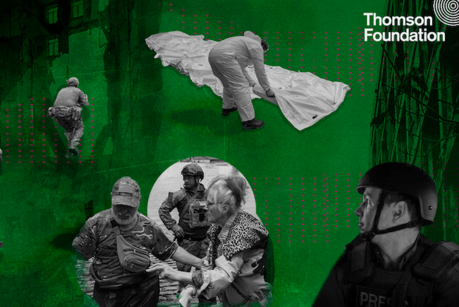
Eurovision News, part of the European Broadcasting Union (EBU), in partnership with training experts from the Thomson Foundation, has created a free training course where journalists can learn the ins and outs of reporting from a war zone.
'For The Record - How to Document Stories' from a War Zone is a self-paced free online programme aimed both at reporters out in the field and newsroom journalists. It takes about two to four hours to complete and there is no limit on the number of participants.
Six modules cover topics like being an eyewitness, dealing with traumatised survivors, or security in the field. The course is also designed to train journalists how to document and archive possible war crimes.
You can sign up for the course here.
More resources:
Correction: A previous version of this story said the training equips journalists with the skills to identify war crimes. This has been corrected to reflect that the course only trains journalists to document and archive war crimes.