Dementia advocate shares tips for dementia-friendly dining this Christmas
– 3 min read


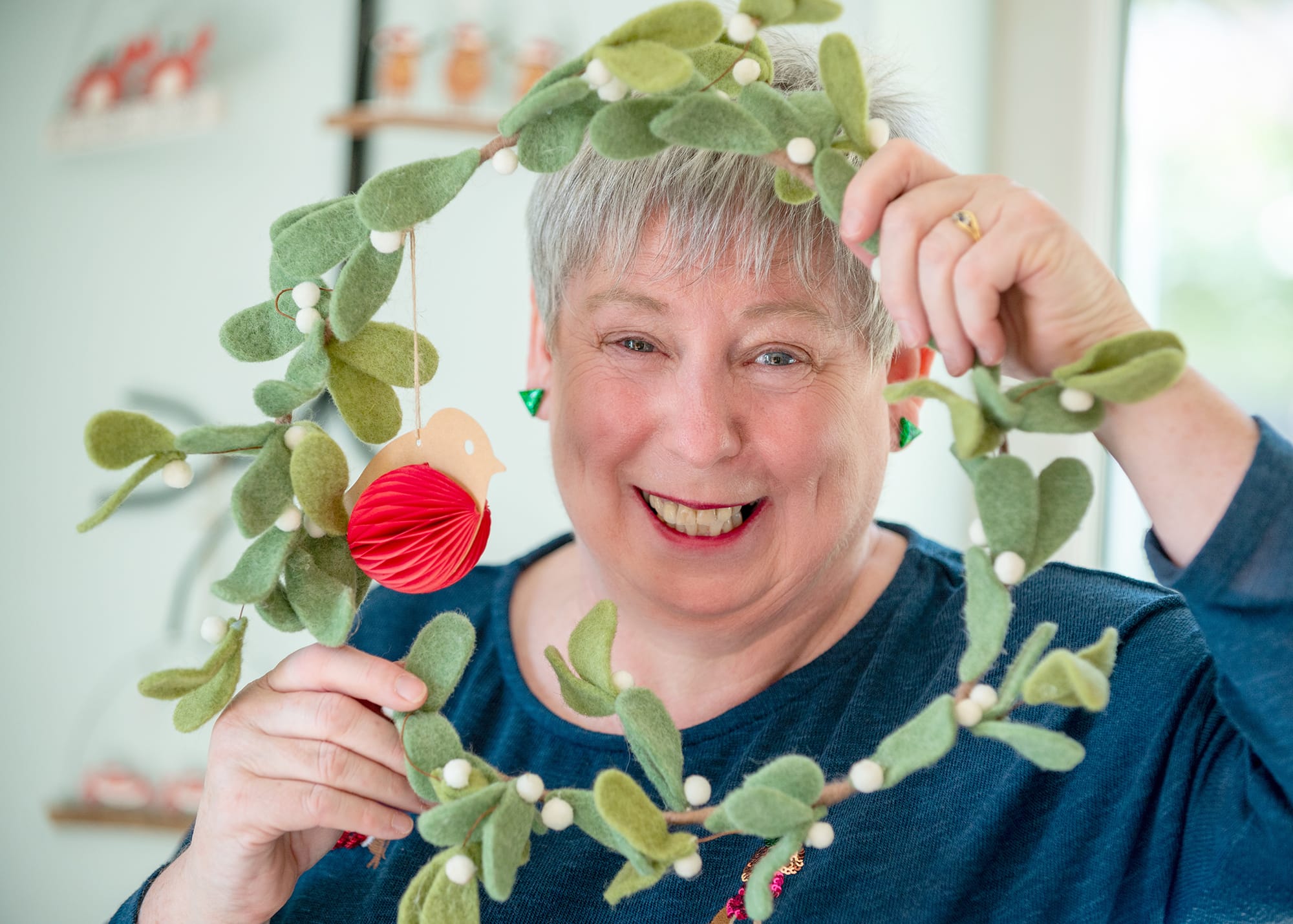
As the festive season approaches, dementia advocate and accessibility consultant Dr Carol Sargent of Sargent Group Consulting is sharing her expert guidance on how families can make dining out, or Christmas dinner at home, more inclusive and enjoyable for loved ones living with dementia.
“For many, festive meals are a highlight of the season. But for people with dementia, their friends and families, noisy, crowded or unfamiliar environments can make dining feel stressful rather than celebratory” says Dr Carol Sargent, leading UK expert on dementia-inclusive hospitality. “Small, thoughtful changes can make all the difference and encourage new customers to regularly enjoy a meal out”.
“The heart of hospitality is about creating meaningful experiences for everyone,” says Carol. “It’s the simple adjustments to your welcome, layout, service and choices that help people feel confident, comfortable and included.”
Carol’s top tips for dementia-friendly dining this Christmas:
1. Choose the right setting
Opt for spacious restaurants, easy parking, waitress service, good lighting, easy access to toilets, a relaxing atmosphere (e.g. gentle background music, comfortable chairs, round table etc). Consider impact of Christmas decorations, flashing or bright Christmas lights can be confusing or disorientating. Involve the person and pick something together.
2. Keep the table layout simple
Limit decorations and clutter so that essential items like cutlery, glasses and plates are easy to identify. Contrasting tableware helps people distinguish food and drink more clearly. Get the person in setting the table or folding napkins. Don’t overcrowd the seating
3. Time meals thoughtfully
If dining out, book during quieter times. Carol recommends late morning or early afternoons to avoid the rush. Arrive and depart in daylight as it can be less daunting. At home, plan meals for when your loved one is most alert and relaxed.
4. Select appropriate foods
Stick to familiar festive favourites, but consider how easy they are to cut, chew etc. Experimenting with recipes can be fun to do together beforehand, but don’t underestimate how familiar flavours and aromas can trigger happy memories and spark conversation. Remember large plates of food can be daunting, little portions can be more appealing and they can always have more.
5. Communicate clearly and kindly
Staff or family members should speak slowly, give plenty of time for people to respond, not make people feel rushed, and maintain eye contact. Be patient if someone needs a little more time to respond or choose. A smile and reassurance go a long way to make the meal enjoyable for everybody
6. Focus on connection, not perfection
The focus shouldn’t be on perfection and presentation, but on creating a relaxed, inclusive atmosphere where everyone can enjoy the moment. “The best memories come from laughter, warmth and shared moments, not from everything going perfectly,” says Carol.
Carol believes that by approaching festive dining with empathy and understanding, families and the hospitality industry can make Christmas meals truly inclusive.
“With small changes, we can make dining a positive experience for everyone, creating moments of connection that last far beyond the meal itself.”
For more information on Dr Carol Sargent’s consultancy work in dementia-inclusive hospitality and travel, visit: https://sargentgroup.consulting
To prevent automated spam, please verify you're human to reveal the contact email:
JournalismUK publishes this press release as it was submitted without warranty of any kind. We do not accept any responsibility or liability for the accuracy, content, images, videos, licenses, completeness, legality, or reliability of the information contained in this article. If you have any complaints or copyright issues related to this article, kindly contact the author above.