Health and safety trends to look out for in 2026
– 3 min read


With 2026 on the horizon, businesses across the UK need to be aware of trends in health and safety which may be relevant to their behaviour in the new year.
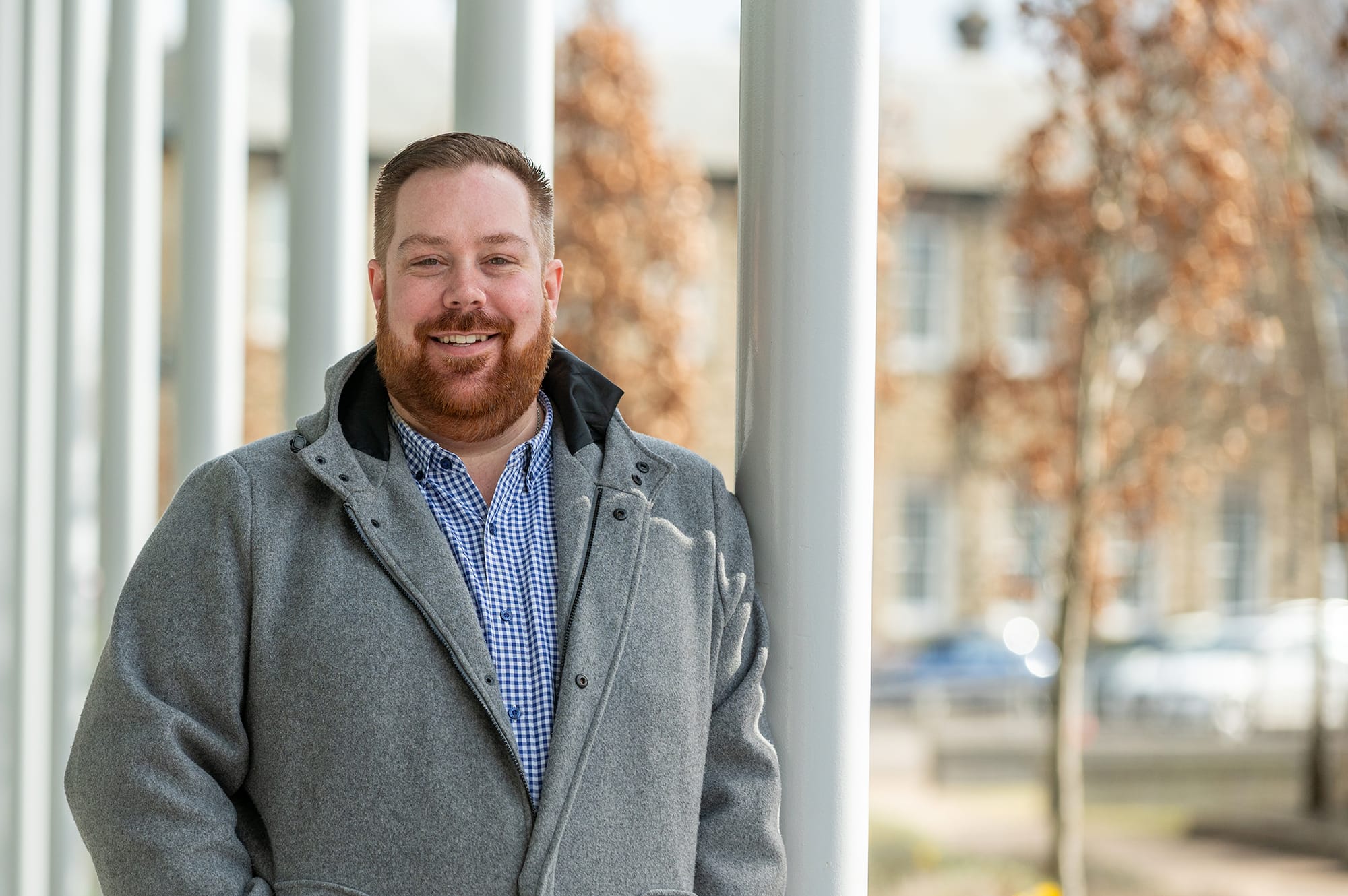
Health and safety specialist Andrew Wilkinson of Wiltshire-based Secure Safety Solutions is warning company owners to be vigilant around issues which may become ratified in HSE law in the future.
“In the world of health and safety we always have to be ready for changes and 2026 will be no exception. Legislation and safety standards evolve over time and no company wants to find themselves facing enforcement action. Prevention is always better than cure. The safety of staff and members of the public should always be of paramount importance to business owners,” Andrew said.
He's come up with five areas of health and safety that companies need to be aware of in the coming 12 months.
Fire risk assessments of complex buildings such as schools, hospitals, care homes, blocks of flats must be carried out by an ‘advanced’ assessor – ratified earlier this year as a result of the Grenfell inquiry. This tragic event led to the loss of 72 lives.
“Landlords and owners of commercial properties and blocks of flats must ensure they employ a competent and highly qualified fire risk assessor,” Andrew said. “Failure to do this and failure to work with an assessor of the correct competency could lead to an insufficient assessment of risk, and fire service enforcement action.”
Mental health needs to be central to business wellbeing – it’s long been discussed that having formally trained Mental Health First Aiders may become a legal requirement. It’s not happened yet but Andrew believes this will become law down the line.
“This is long overdue. As the workforce becomes more diverse with up to four generations working at the same time, this means mental health and wellbeing is a hot topic which is not going away. Looking after the wellbeing of your workforce is known to help with productivity and can reduce absenteeism,” Andrew said.
AI and its possible impact – while AI has many uses for good and for efficiency, it may pose hidden dangers in the world of health and safety.
“AI is a fantastic tool but it’s not got an answer for everything,” Andrew said. “Being able to use AI to draw up health and safety policies or even certificates could be a breach of duty, and put simply, morally wrong. The information can be incorrect, or it can irrelevant, insurance can be invalidated and such tactics may not protect you from prosecution if something goes wrong. Those who use AI to just tick the ‘health and safety’ box could fall foul of the law sooner or later.”
Increased HSE enforcement and director accountability : More targeted inspections and greater focus on senior leadership responsibility where health and safety failures occur.
Training and competency of the workforce : A move away from tick box training to demonstrable competence: an expectation that businesses can show staff are properly trained, refreshed and competent for their current roles, not just historically qualified. Assurance plans should be in place to show that management are checking that the workforce are working safely and in accordance with training and not just leaving them to it.
For more information visit https://securesafetysolutions.co.uk/
To prevent automated spam, please verify you're human to reveal the contact email:
JournalismUK publishes this press release as it was submitted without warranty of any kind. We do not accept any responsibility or liability for the accuracy, content, images, videos, licenses, completeness, legality, or reliability of the information contained in this article. If you have any complaints or copyright issues related to this article, kindly contact the author above.