Reach is launching paywalls, but its pursuit of page views isn't over
Manchester Evening News and Liverpool Echo have launched paywalls, as the news group hedges its bets on both reader and ad revenue

– 4 min read


Manchester Evening News and Liverpool Echo have launched paywalls, as the news group hedges its bets on both reader and ad revenue

UK news group Reach plc often gets a lot of stick.
It's one of the best-known examples of the scale-based news model that industry experts claim is dying in the genAI era.
In recent years, the commentators have lamented its cocktail of high internal targets around published stories and page views, renewed deals with chumbucket ad companies, poor website user experience, and an emphasis on celebrity, SEO-friendly and 'clickbaity' news (as opposed to local news) – all while continuing to report job cuts as part of internal restructuring measures.
 Jim Waterson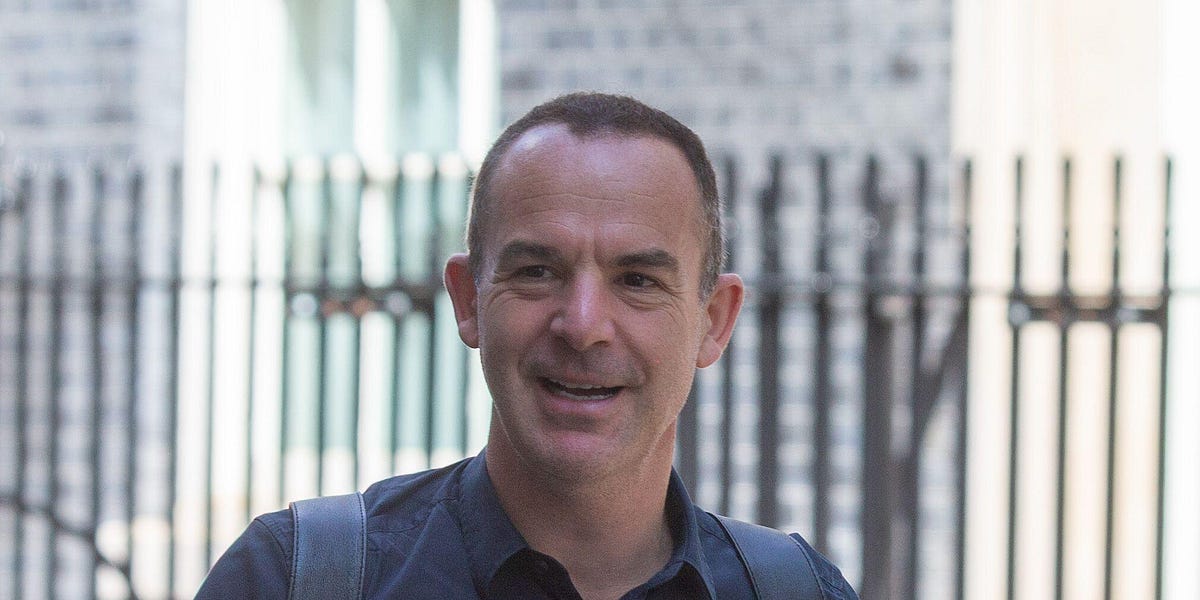
Reach will justify its model in the numbers. IPSOS figures for October 2025 show Reach plc titles dominating the top positions in regional news, including Manchester Evening News (MEN) and The Liverpool Echo, with strong monthly unique visitors (respectively 9.9m, 18 per cent year-on-year growth; 6.2m, 22 per cent YoY growth).
But neither title – though both at the very top of the charts – saw the same growth in terms of monthly page views: MEN, 53.4m page views, 14 per cent YoY decline. The Echo, 36.4m page views, 15 per cent YoY decline.
Reach plc drilled a little deeper when asked about the data: MEN is seeing a 38 per cent YoY increase in audiences in the North West of England, and 11 per cent YoY growth in Greater Manchester. Local loyalty is on the rise.
So when MEN launched a paywall last month (27 November 2025), shortly followed by The Echo this week (10 December 2025), it felt indicative of the moment the news industry is in if Reach plc – of all news groups – think it's high time to start charging users directly for its core news content.
But this isn't exactly new. Since 2023, Reach plc has been testing the appetite to pay for local news via its InYourArea app, providing community updates down to the postcode level. This has shaped its understanding of what loyal, local readers value: unique investigations, What's On content and archived or retrospective pieces.
Reach plc declined to share data and statistics around app usage.
Both northern news titles launched paywalls with staunch op-eds from editors-in-chief Sarah Lester (MEN) and Maria Breslin (The Echo) framing the paywall as a natural evolution, rooted in their brands' histories and community roles. They expressed pride in their reporting, explained why they need readers' support and presented the premium offering as a way to deepen the relationship between newsroom and user.
In tangible benefits, the premium tiers include fewer ads on the site, exclusive in-depth reporting, curated digests, and puzzles and games at £4.99 a month, with trials on offer. However, these are all perks that its rivals Newsquest and Iliffe already offer (in fact Iliffe offers an ad-free premium experience for paying subscribers).
But as I hopped on a call with Reach plc's director of growth, David Bartlett, the message of the day was: "We're not trying to reinvent the wheel."
Bartlett explained that the plan is to go as company-wide with paywalls as possible, with Wales Online and The Daily Record (as the first national title) soon to follow. He cautioned that the new paywalls do not signal a major shift in the Reach model, other than diversifying revenue in a challenging online environment.
"The internet never stands still and we still think we can be a scale business," says Bartlett.
"It will not necessarily be what it once was. But there are more avenues to produce diversified revenues – subscriptions being one of them."
The premium articles – about 3 or 4-a-day for MEN – are in-depth, local stories they'd have run anyway. But there's currently no dedicated publishing model for paying subscribers.
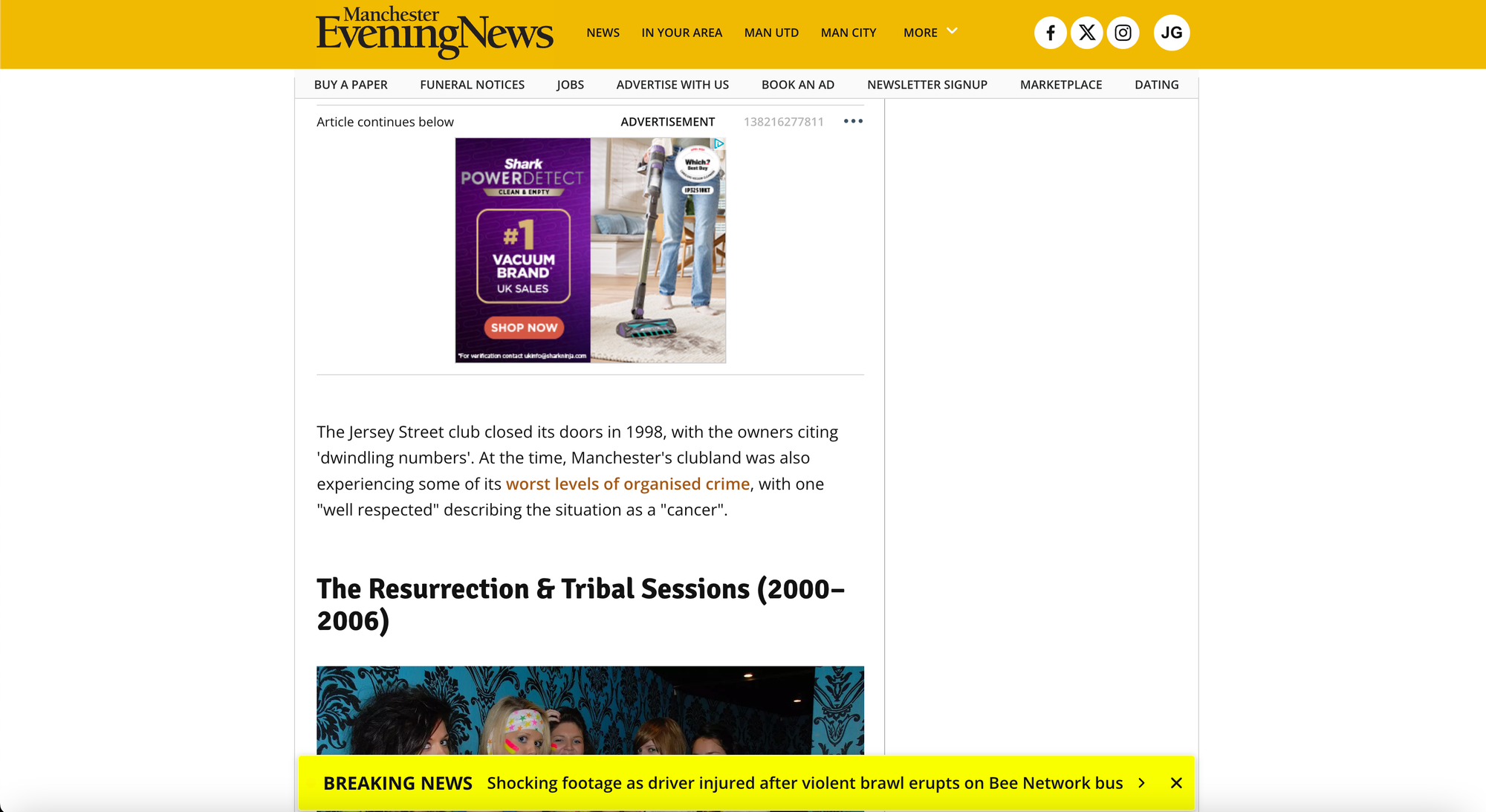
The preservation of ads for premium subscribers – I've seen them range from 4 to 10 on a premium article – maintains a revenue stream coming from advertisers who want to reach (excuse the pun) the most engaged users.
There's a lot more white space on premium articles, and ads only appear within the article column.
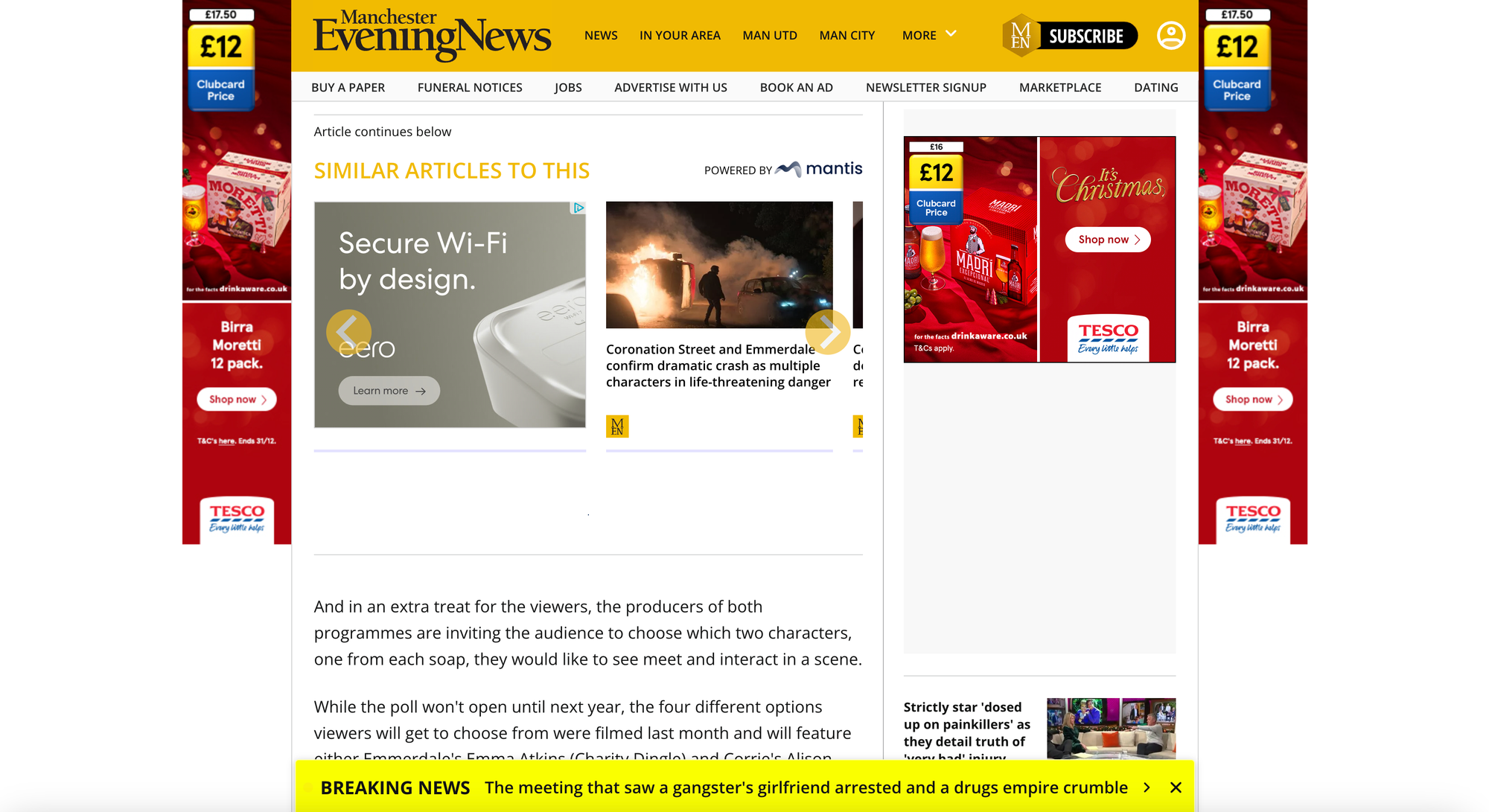
Whereas things are a bit more busy on standard, non-premium articles:
"I think ultimately people don't object to advertising," Bartlett defends the approach.
"It's more a case of whether they find that advertising useful – we think the ad experience doesn't interrupt people's ability to read content at all."
The bottom line: Reach plc is hedging its bets with subscriptions and will continue to test the water as more titles roll out paywalls in the near future.