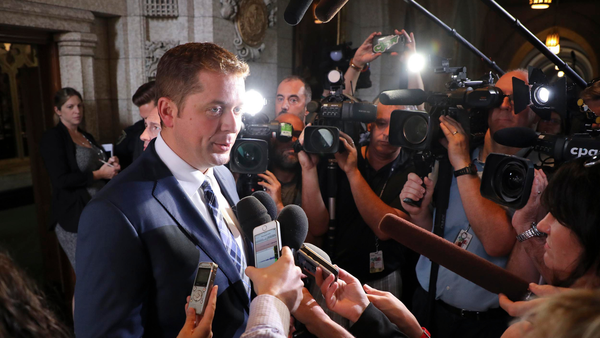
Reporting on migration responsibly: Lessons from Ballymena riots for newsrooms everywhere
How should the press engage with sources who are naturally distrustful of the media and vulnerable to violence?

– 5 min read


How should the press engage with sources who are naturally distrustful of the media and vulnerable to violence?
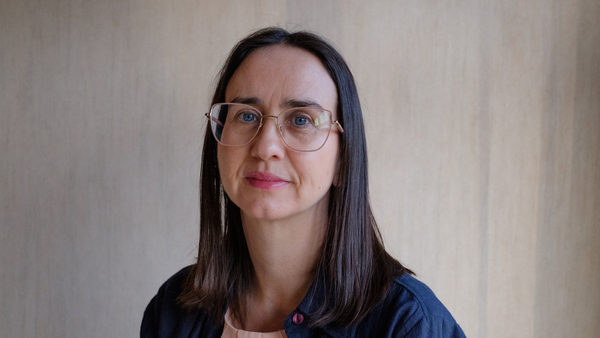
When violence broke out in Northern Ireland in June, it felt close to home for 25-year journalist veteran Maeve Connolly, even though it wasn't on her doorstep. Northern Ireland is like one big community, she tells JournalismUK.
"You feel it deeply. It’s happening in your home," she recalls. Now, as a co-director of Raised Voices CIC, her sense of responsibility pushed her to develop a new, practical set of reporting guidelines for journalists covering asylum, refugees, and migration.
These guidelines were co-produced with ethnic minority, refugee, and asylum-seeking communities. Through group listening sessions and interviews, the advice has been shaped by those with lived experience and delivers on the priorities these communities expressed to the media. As Connolly puts it:
"What came through clearly from the discussions was the request that the media not 'other' them: treat people as members of the community they live in, rather than separate to it. Don’t only come to them in times of crisis or to speak on immigration status, ethnicity or nationality. They can contribute fully. You can speak to them about anything."
Practical tip: Look back at your own newsroom’s stories over the last 12 months.
Do they only surface these voices in times of conflict or controversy? Where are the stories of aspiration, community-building, and contribution?