Source Code: WSJ's social carousels, Black Current News and a queer critique of AI
Three speakers at London's much-loved networking event showed how journalists can challenge AI's blind spots, serve overlooked communities and win over audiences on social media
Six years of the pandemic and working from home have done a lot of damage, both to the events industry and to people's willingness to leave their homes and meet fellow humans in real life.
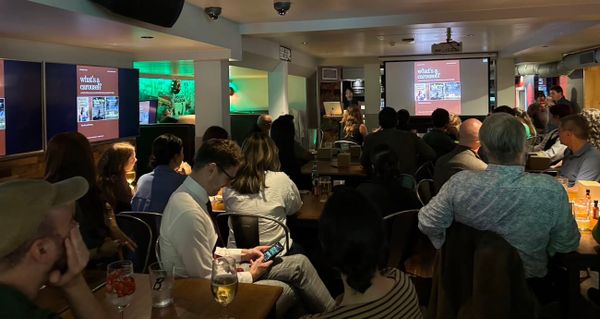
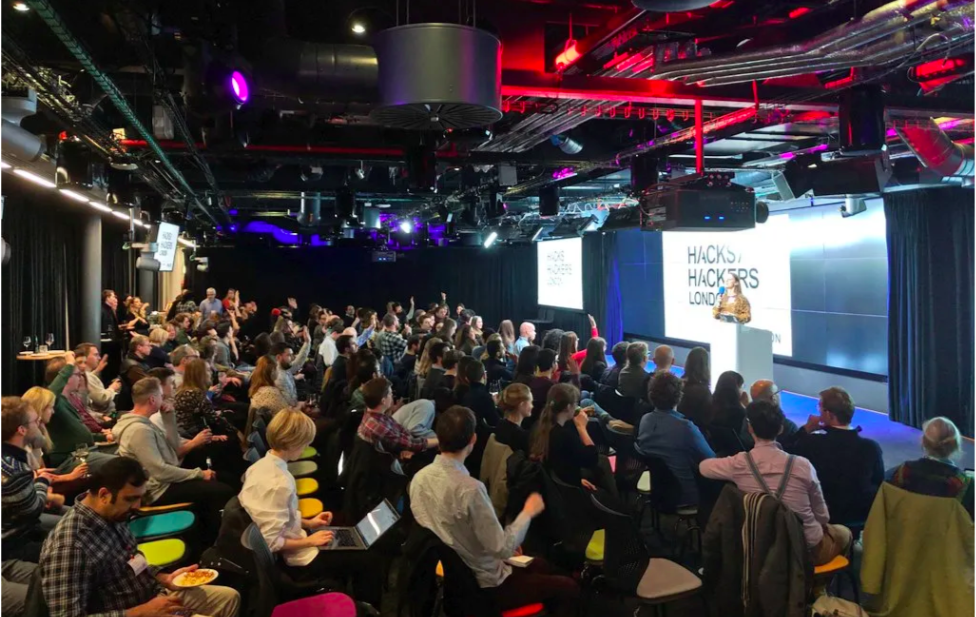
So, together with a bunch of friends from the industry, we decided to start Source Code, a London meetup of journalists and techies who want to better understand each other's world. Our third event, which took place on Tuesday 29 September, featured three brilliant speakers who sparked conversations you don't normally have at your standard journalism conference.
The event was also supported by Qwoted, a digital PR platform that connects journalists and media professionals with expert sources, small business owners, and PR representatives.
If you missed it, don't worry. Here are the highlights.
What makes a good carousel?
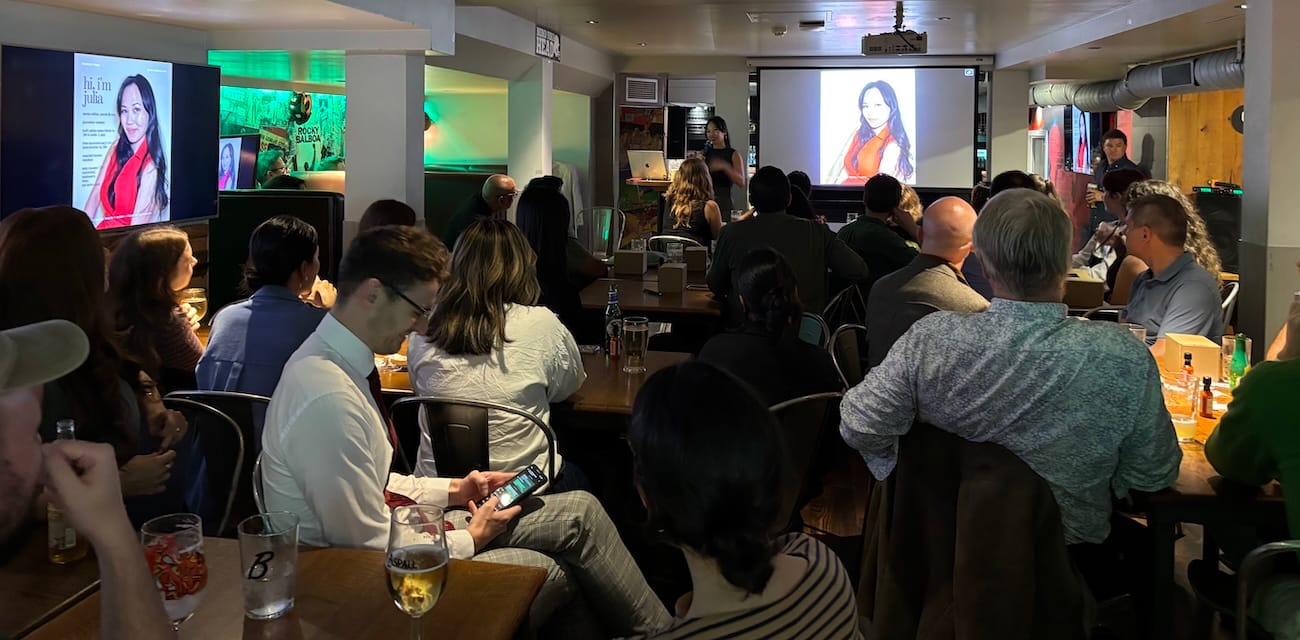
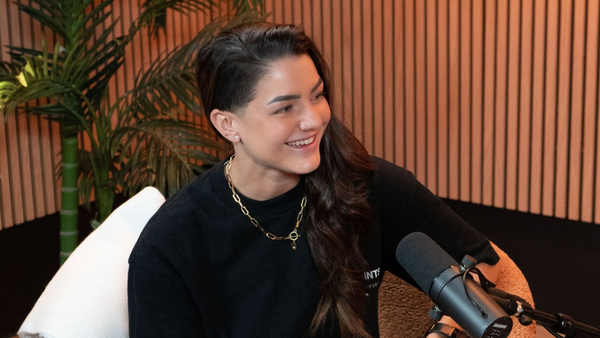
The first speaker was Julia Munslow, senior editor, social at The Wall Street Journal, and she demystified what makes a good social carousel if you're looking to share your journalism on socials.
Like social video, an engaging carousel opens with a strong hook, builds toward something worth swiping for, and closes with a clear ask. Picking what information goes in is the hardest part, since a 2,000-word feature won't fit on a handful of slides, so you have to choose the most important data and leave the rest.
If the content is too complex or sensitive, a carousel may not be the right format at all. Whether carousels lead to more article reads or new subscriptions is hard to say but they do help build relationships with your audience. And when you can, show your face: in the age of AI, people want to see real people.
Building Black Current News
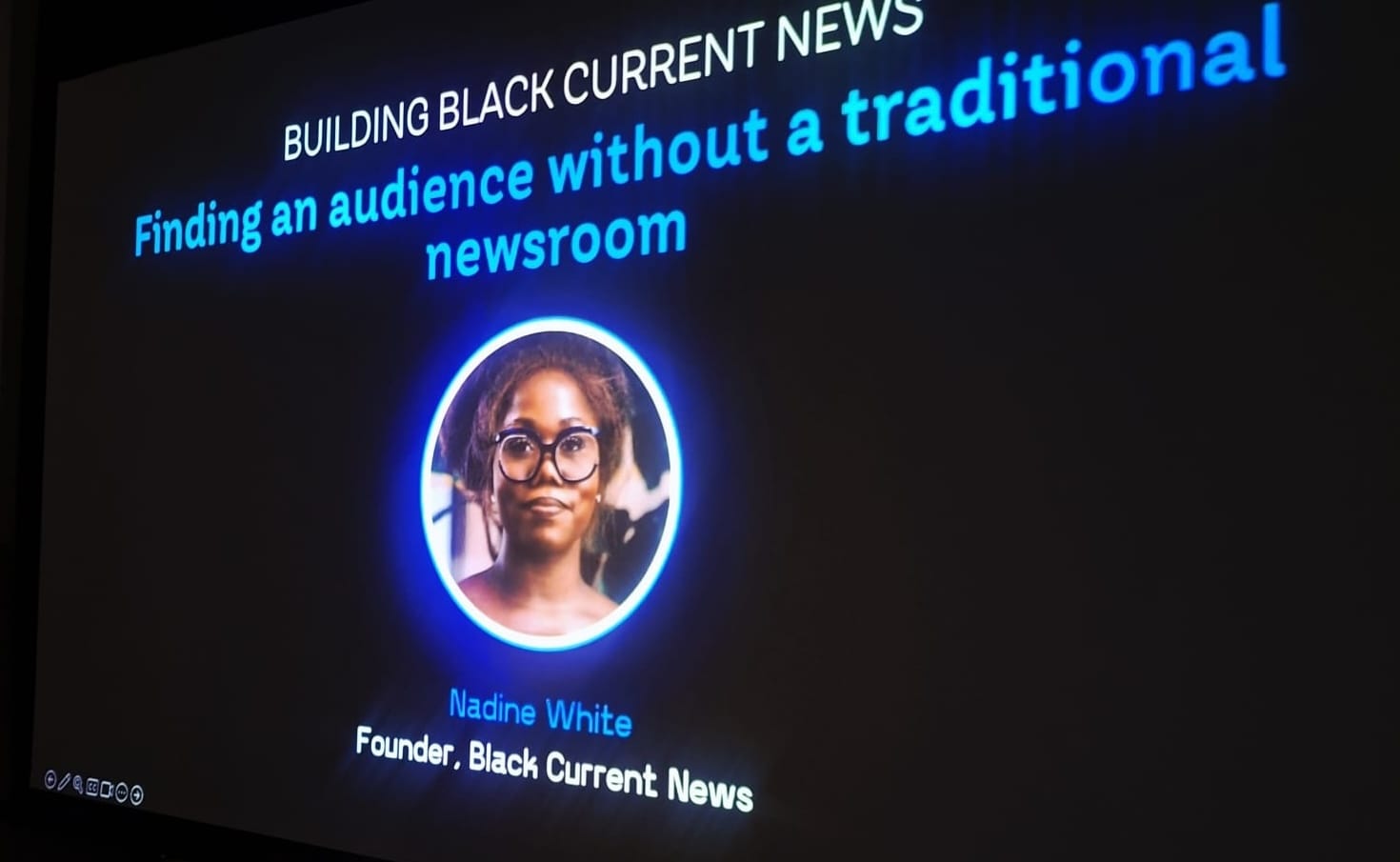
Black journalists make up only a small share of the UK's newsroom workforce, so Nadine White launched Black Current News to give black and minoritised communities in the UK the sustained, rigorous reporting she felt they were missing. She draws on her NCTJ training and years in mainstream newsrooms – notably being the UK's first race correspondent whilst at The Independent – to fill that gap.
Courtesy of Kirstie Nicole, founder and CEO of SCWB Media (She Comes With Baggage)