Credit: Pixabay News Who pays when a journalist is bribed? Corruption in the media is still a largely taboo topic. But corporations seeking positive spin never stop looking for inexperienced or unethical reporters By Marcela Kunova • 3 min read
Credit: Ross Mondon (right) with singer Lewis Capaldi. Image courtesy Vibez Music News How to build a music blog from scratch The founder and editor of Vibez Music shares his tips on getting interviews with artists and growing online audience By Carlo Simone • 2 min read
Credit: Alex Crawford. Picture courtesy Sky News News Alex Crawford: I want to fight misinformation with transparency Perhaps the only option we are left with to challenge the false portrayal of journalism is to take back control over the narrative By Marcela Kunova • 2 min read
Credit: PDPics from Pixabay News Does truth equal trust? We like to believe that giving our audiences cold hard facts will win their trust. The reality is more complicated By Marcela Kunova • 3 min read
Credit: Photo by Grianghraf on Unsplash News Newsrooms choose collaborative approach to protect journalists from online trolls Some internet users are responding to covid-19 fact-checks with death threats and abusive messages. Reporters, newsroom leaders and social platforms all need to work together to counter online attacks By Jacob Granger • 5 min read
Credit: © 2019 European Union. Photographer: Peter Biro. News How coronavirus has affected humanitarian journalism Travel bans meant that newsrooms had to work with local reporters, and bringing humanitarian crises to an already-overwhelmed audience was always going to be a hard sell By Emily Cole • 2 min read
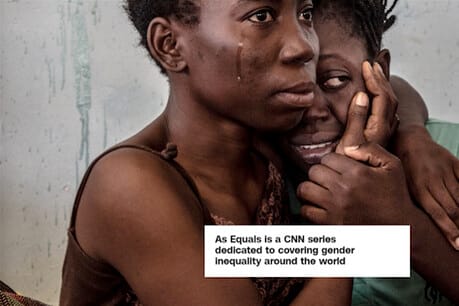
News CNN embarks on three-year digital project to cover gender inequality worldwide As Equals is a digital-first series focusing on everyday challenges facing women and girls, and examining solutions to problems ranging from period poverty to online abuse By Jacob Granger • 4 min read
Credit: Muhammadtaha Ibrahim Ma'aji from Pexels News The Africa Women Journalism Project fosters newsroom innovation during the pandemic Some stories are best told by those with a shared experience. A new initiative helps women journalists in East and West Africa to keep on covering important women's issues By Florence Freeman • 3 min read
Credit: Barefoot Communications on Unsplash News Yes, we need to regulate Facebook. But how? Between inadequate efforts to fight misinformation and opaque decisions around content moderation, voices demanding tighter regulation of the social platform are growing stronger. The trouble is, we cannot agree on who should be in charge By Marcela Kunova • 4 min read
Credit: Photo by James Newcombe on Unsplash News 'Give Ofcom the power to demand Facebook to explain its algorithms', Full Fact urges UK parliament To help tackle harmful disinformation online, social platforms must be transparent about how they moderate misleading content and who is responsible for errors By Jacob Granger • 3 min read
Credit: Alessio Jacona via Flickr . Pictured: Alan Rusbridger at the International Journalism Festival News Rusbridger: Facebook needs to be cut some slack on news and regulation The Facebook Oversight Board member defended the company’s approach during a forthright debate with the journalist Carole Cadwalladr and author Jillian York, organised by EJN By Matt Walsh • 3 min read
Credit: Photo by michael weir on Unsplash News Financial Times launches a new hub for climate news because its audience asked for it A survey by FT has shown that its readers value environmental reporting as it helps them make business decisions and personal choices. The publisher is now looking to grow its number of subscribers by fulfilling this need By Jacob Granger • 2 min read