The tools our journalism community cannot live without
We asked the JournalismUK community what they would grab first on a desert island newsroom. The answers ranged from a roll of gaffer tape to a bullshit detector
– 6 min read


We asked the JournalismUK community what they would grab first on a desert island newsroom. The answers ranged from a roll of gaffer tape to a bullshit detector
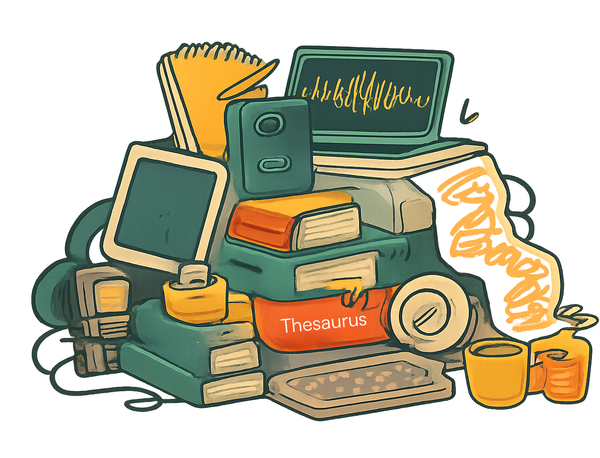
When I asked editors, reporters and media folks on LinkedIn to name the one tool they can't imagine their workday without, I promised no wrong answers. I got a notebook, a stopwatch, a printer, a few AI assistants and some solid life advice. Here is the toolkit, as built by the people who use it - thank you to everyone who contributed.
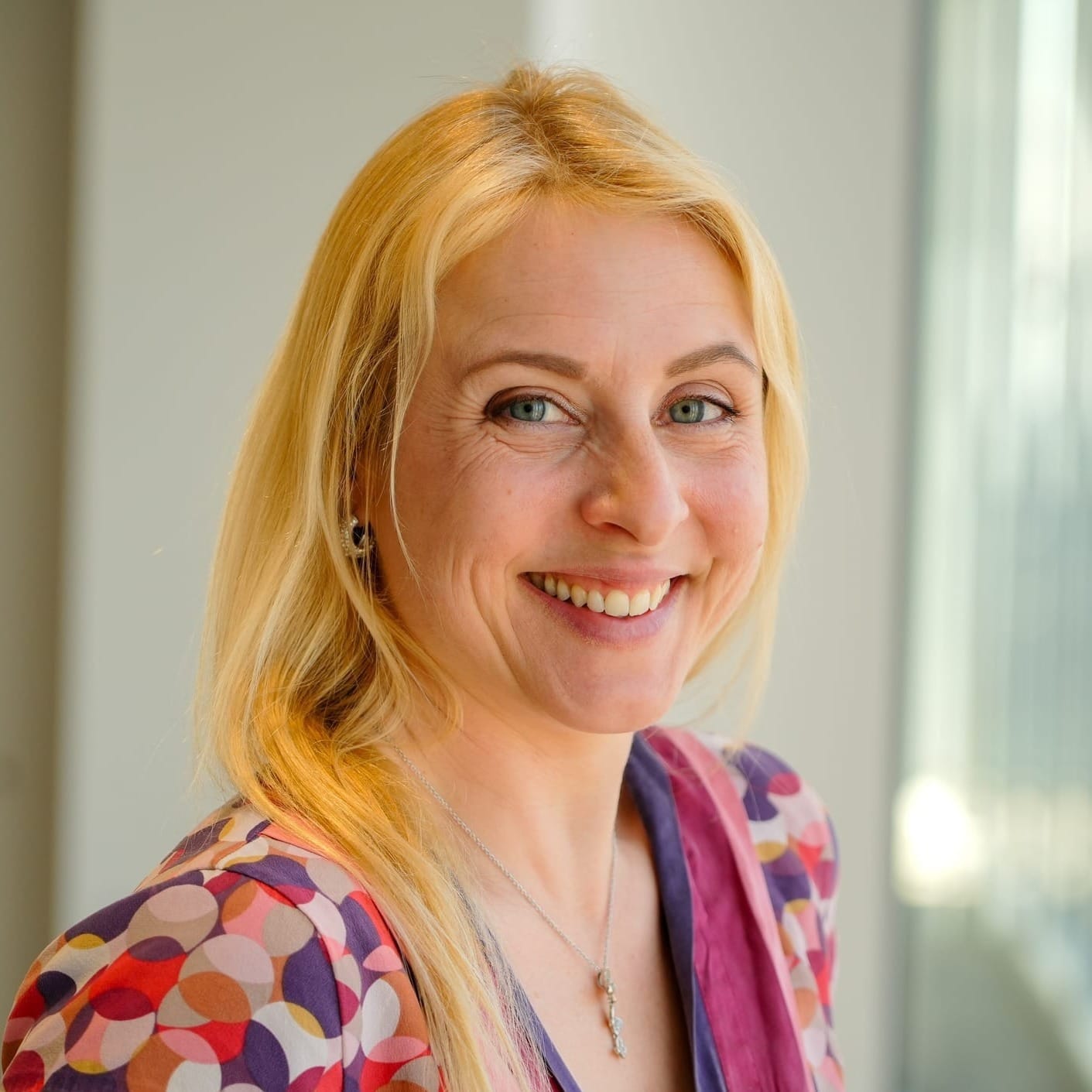
 Marcela Kunova
Before any software gets a mention, the notebook gets there first.
Richard Whitehouse, senior media officer at the NSPCC, keeps it brief: "Shorthand, a pencil and a notepad. Nothing else is required." Georgina Ingham, freelance journalist and editor of Culinary Travels, also goes for the old reliable shorthand notebook. Claudia A. R. De Meulemeester, financial journalist and presenter, simply answered: "A pen!"
Max Hall, a writer, editor and designer, uses a notebook for everything and archives them. He says that even when he is writing up a press release, jotting the main points in shorthand stops him rewriting them in the same order and helps him lead with the most interesting part.
Anita Chaudhuri, feature writer mostly at the Guardian, has taken the notebook digital. Her essential is GoodNotes on her iPad, where she keeps an ideas notebook for press cuttings and links, visual inspiration notebooks from her photography work, and even her tax return spreadsheets and bank statements.
As for me, I tried a lot of software before going back to pen and paper. Just because you can use technology doesn't mean you must.
Several people pointed out that their favourite "tool" is something they learned rather than bought.
Mark Rice-Oxley, author, journalist and former executive editor at the Guardian, learned to touch type in his final year at university, 35 years ago. It let him bash out 500-word news stories in a few minutes on the newswires, and take dictation from war zones, and take verbatim quotes from TV. He reckons it has saved him around 48 billion seconds, give or take, and he rates it above shorthand. Discuss.