What can journalism learn from recipe videos?
Viral food content creators have figured out that faces matter more than formats

– 4 min read


Viral food content creators have figured out that faces matter more than formats

This article is from our community spotlight section, written by and for our journalism community.
We want to hear about your challenges, breakthroughs and experiences. Want to contribute? Get in touch and help shape the discussion around the future of journalism.
I watch way too many recipe videos on Instagram. And I've noticed a shift that newsrooms can learn from.
In 2018, the traditional "hands and pan" format was king. No one spoke to camera. There wasn’t even any voiceover. In other words, there was “no personality attached”. As a Guardian article from that year stated: "On screen personalities can be divisive, but with these you're not buying into a person, you're purely there to look at the food."
The advantages for scale were obvious. You could enjoy the content regardless of what language you spoke. Views were counted in the billions.
Now those same videos will at the very least have a cameo from the chef at the end, invariably tucking into the food, often sloppily. Whether conscious or not, there’s a collective effort to show that these food videos have been made by an identifiable creator. Which makes sense, as audiences are increasingly wondering if what they’re seeing might be AI-generated.
Social news videos from the same era had a similar grammar. At a similar point in the digital video arc, I was head of digital in a UK broadcast newsroom. We were early to grasp that our videos needed to meet social media audiences where they were at - and at that point, the majority of consumption was with the sound off, and while viewers were mobile.
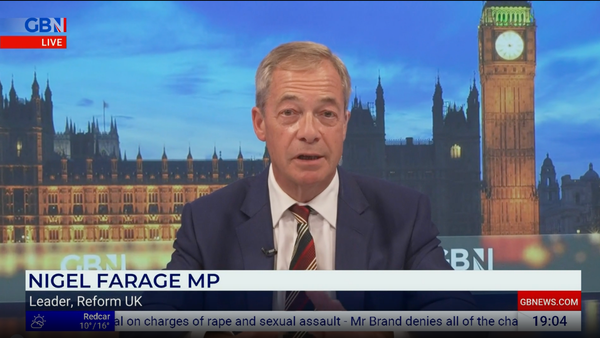
We also wanted to show viewers that our digital content had been made for them from the very first frame, which meant heavily re-editing the television reports. Correspondents talking were often cut out because we thought our viewers would be watching on the bus with the sound off. Many of those on screen reporters were irritated, justifiably. Big branded text was in.
It was a short-sighted over-correction. We couldn’t anticipate how the pendulum would swing back to the point where individuals would be trusted so much more than brands. Or that the industry would retrench so much that experienced individuals being sent out on stories would be a competitive advantage, rather than a norm. Or that less than a decade later, machines would be on the verge of being able to create the text-on-screen content that we were making with so much love.