10 things you will learn at our upcoming Newsrewired conference
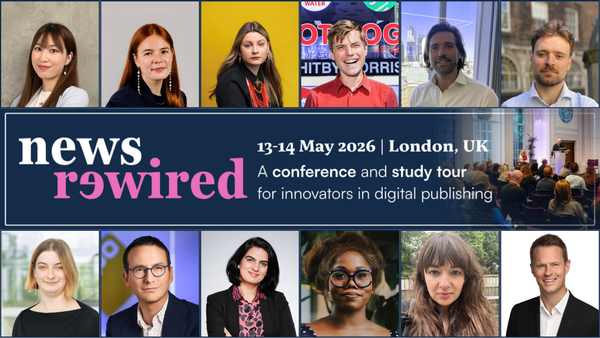
Don't miss out on a range of expert speakers from London Centric, Reddit, The Diary of a CEO, The Times, NPO, The Economist, The New Humanitarian and more
We have been busy organising our next Newsrewired event, listening to your feedback and thinking hard about the most pressing topics – and savvy speakers – newsroom innovators need to hear about, and from. Here's two dates to mark in your diary.
The Newsrewired study tour: 13 May - gives you exclusive access into London newsrooms for a day of user-centric learning. Details on the study tour are still in the works. One of the confirmed stops is Reach plc's national title, The Mirror.
The Newsrewired conference:14 May, in the heart of London, at News UK, home of The Sun, The Times and Sunday Times, Talk TV and more . The scenic 17th-floor view of the British capital alone is worth the trip. But our star-studded line-up is truly the main attraction: offering you only practical, immediate and expert advice to take back to your newsroom.
Here's what we have planned for you. Our deepest thanks to all the speakers who have agreed to come and share their wisdom with the room.
Keynote: Ezra Eeman – the second act of AI in media
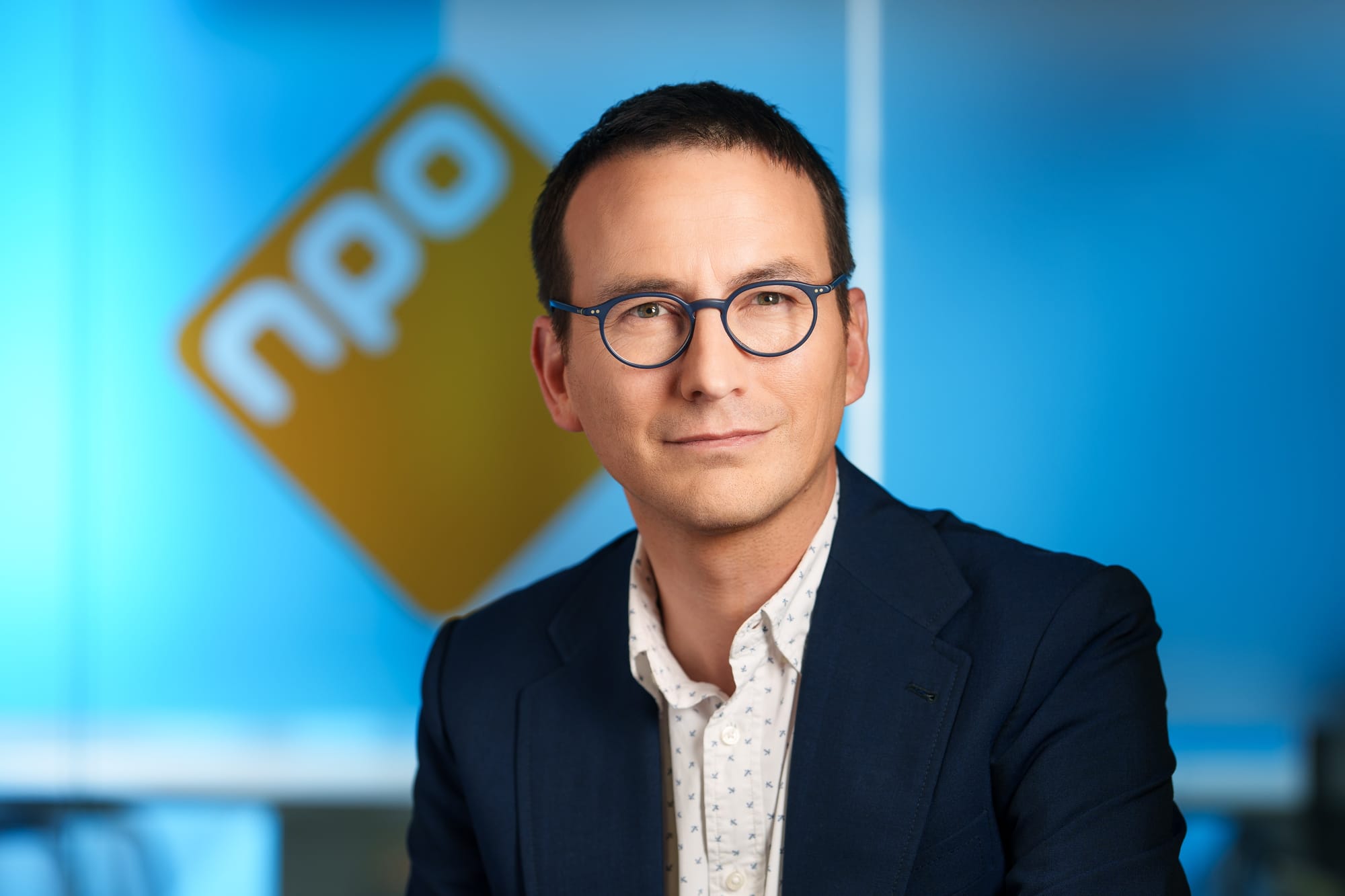
Ezra Eeman
Ezra Eeman, strategy and innovation director at NPO (the Dutch Public Broadcaster) and lead of the WAN-IFRA AI in Media initiative, will deliver a keynote that cuts to the heart of journalism’s AI predicament.
Eeman brings a rare perspective on how technology is reshaping the media landscape. He is also the author of the Wayfinder newsletter and influential Wayfinder Trends Report, which map the shifting terrain of media, technology, and culture.
His latest Wayfinder report identified an industry-defining paradox: while two-thirds of people now use AI regularly and newsrooms increasingly rely on these tools, trust in AI remains stubbornly low (just over half of people).
This "Upside Down" moment — where reliance on AI grows even as doubts deepen — raises urgent questions for journalists and publishers. How do we build credibility and transparency when machines, not platforms or publishers, are becoming the main gateway to information? The state is set.
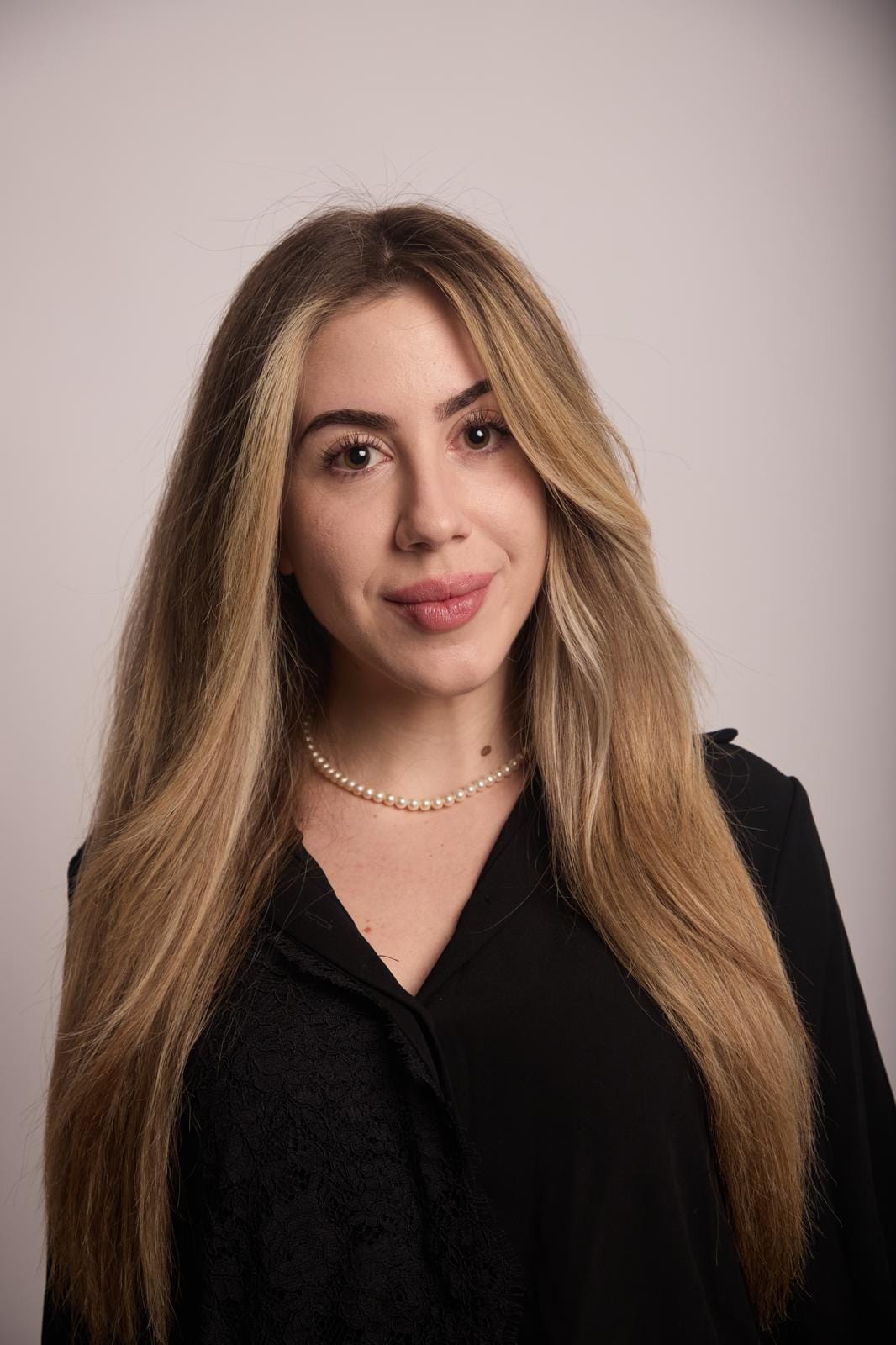
In today’s platform-driven media, journalism often unfolds alongside creators and activists, subject to opaque moderation and the risk of being misread as "activism." This panel brings together three frontline perspectives:
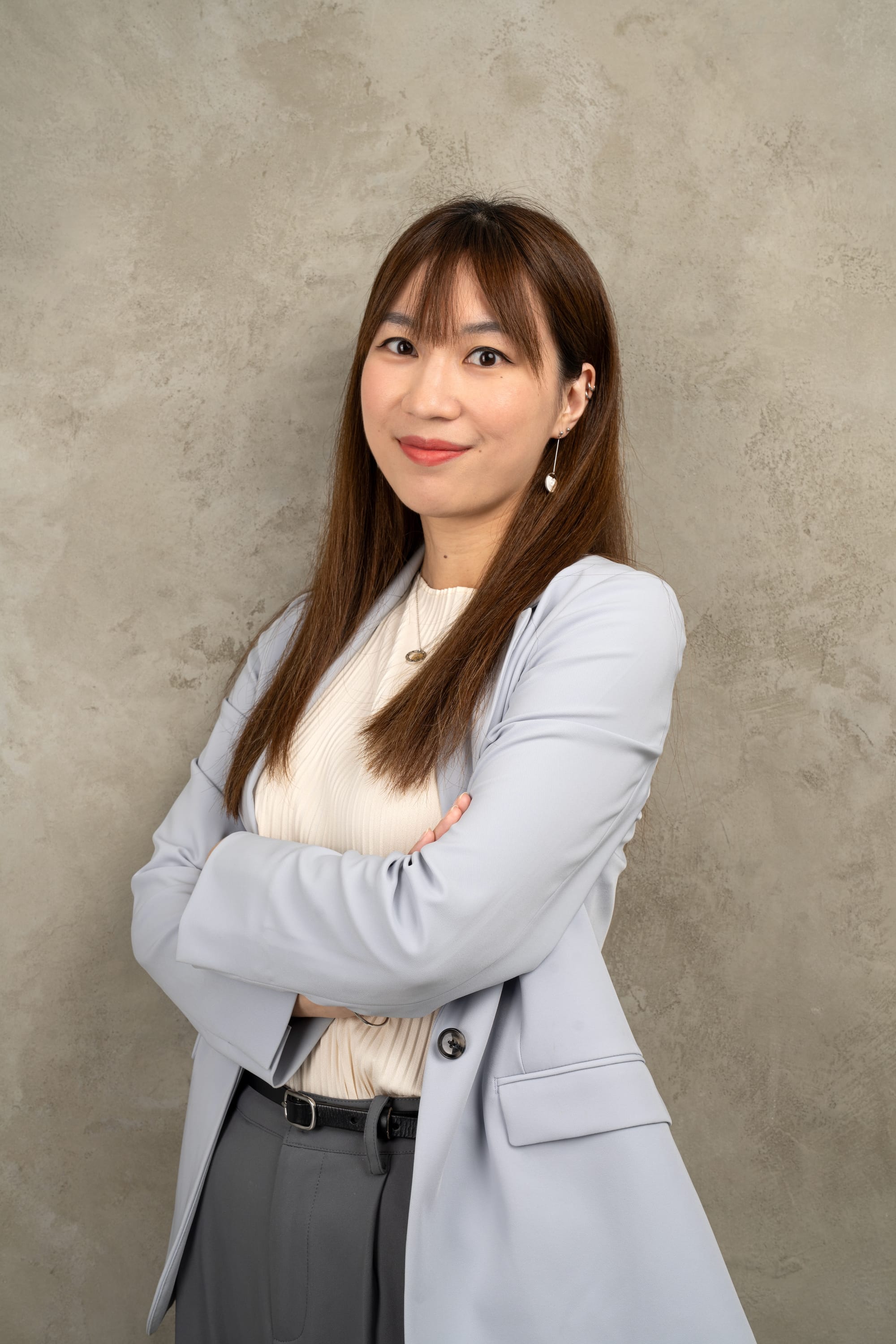
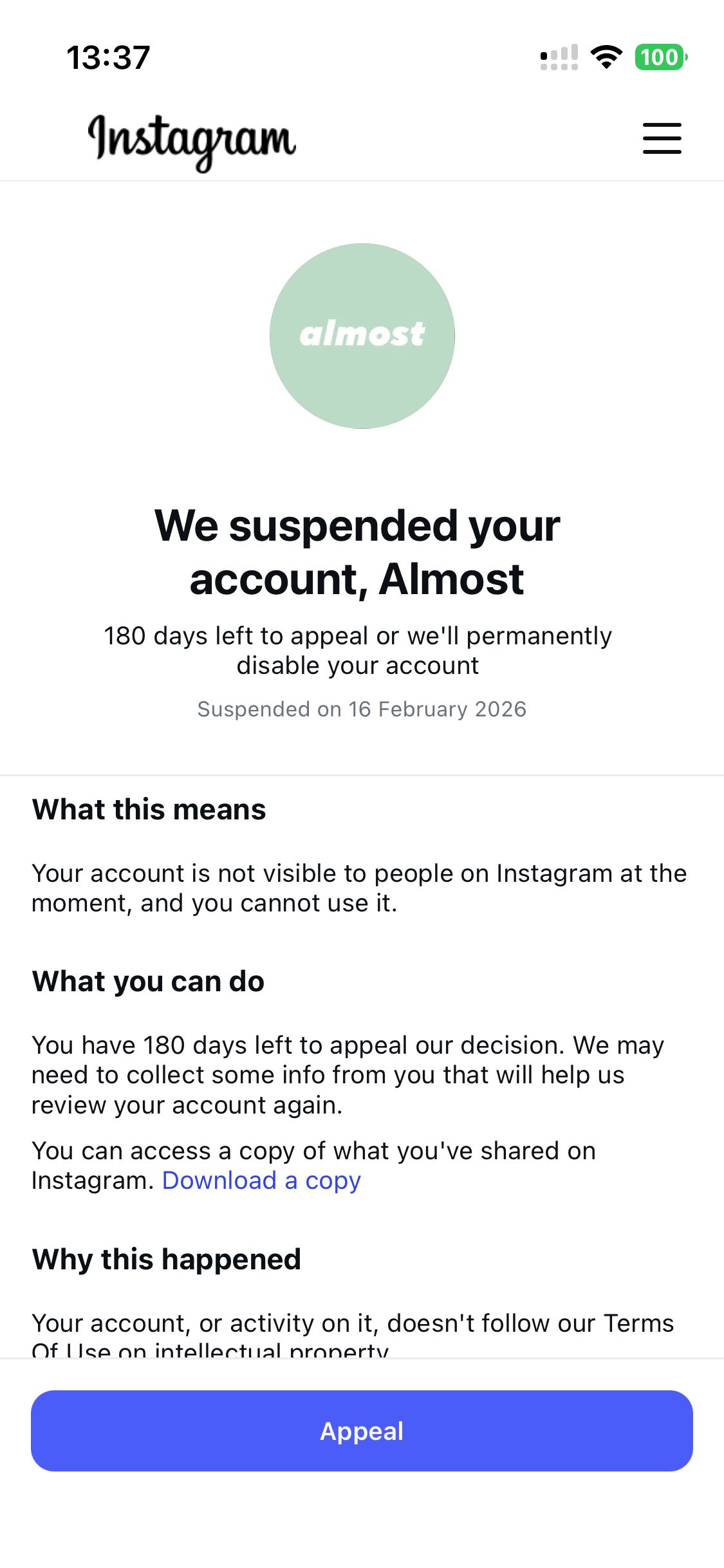
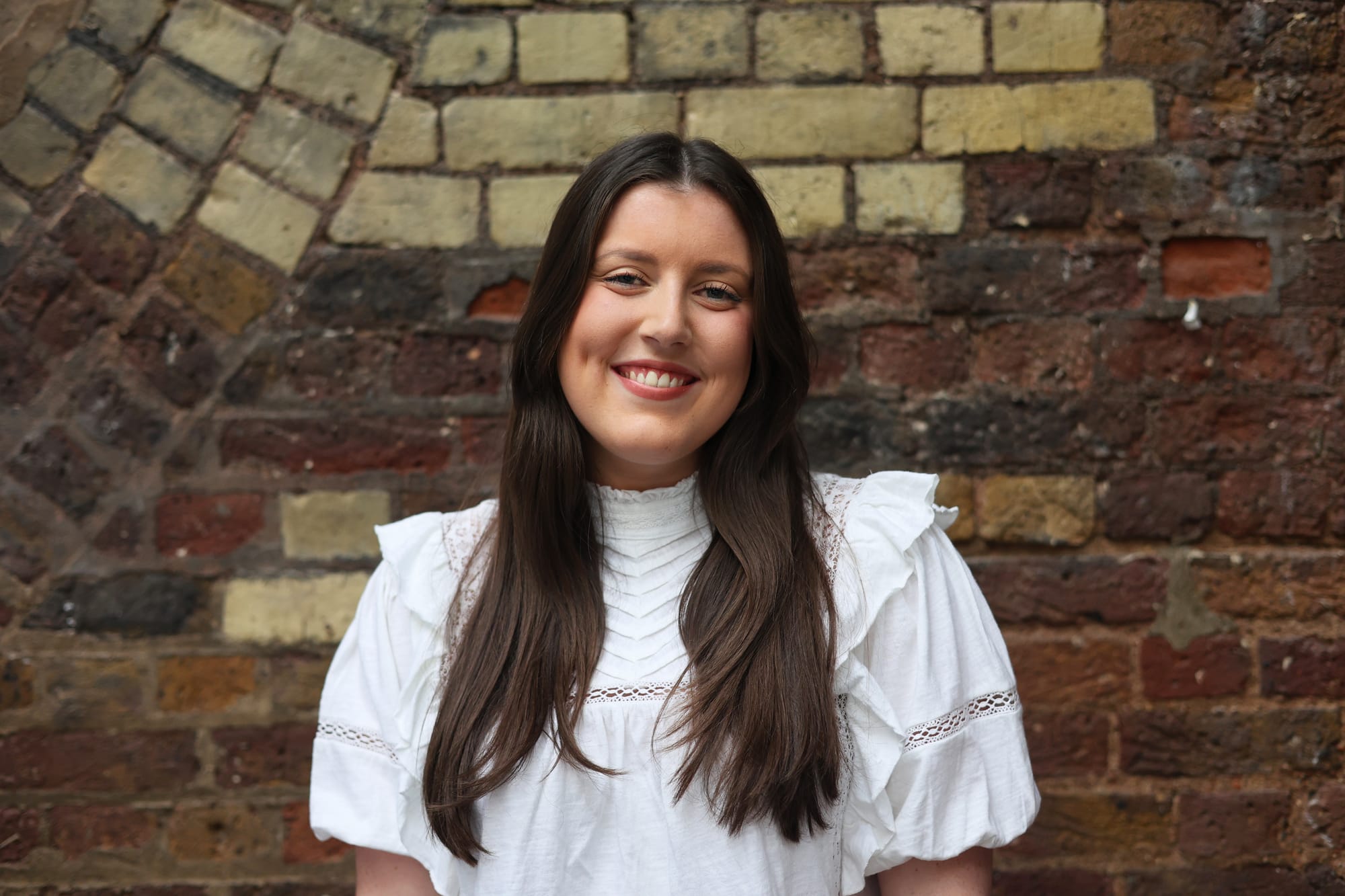
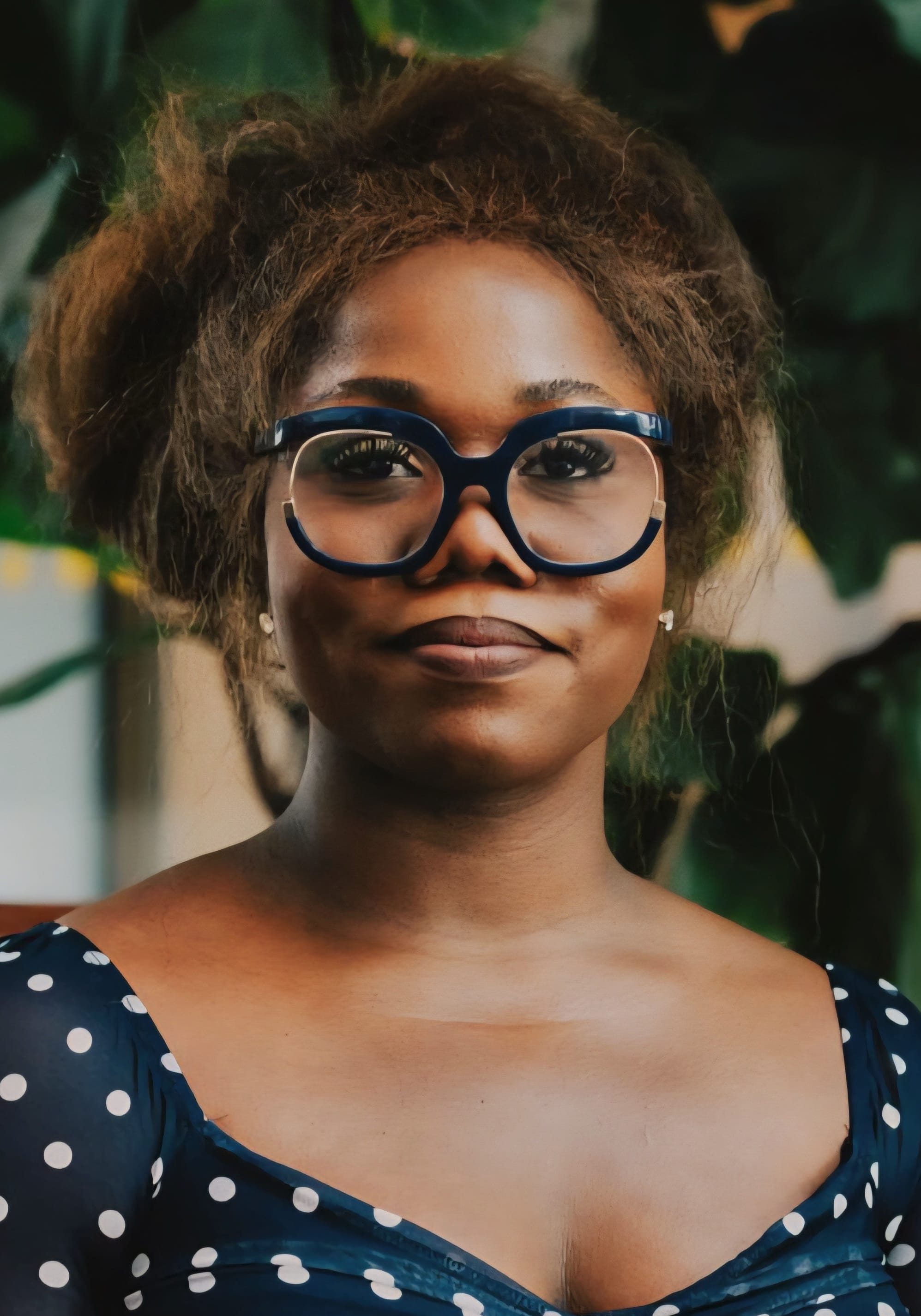
Kassy Cho (Almost): Leads a youth-driven newsroom navigating platform moderation and trust-building with young audiences, often facing visibility loss and institutional barriers.
Alessandro Accorsi: Journalist and researcher, examining how digital systems and moderation policies shape conflict narratives and public understanding.
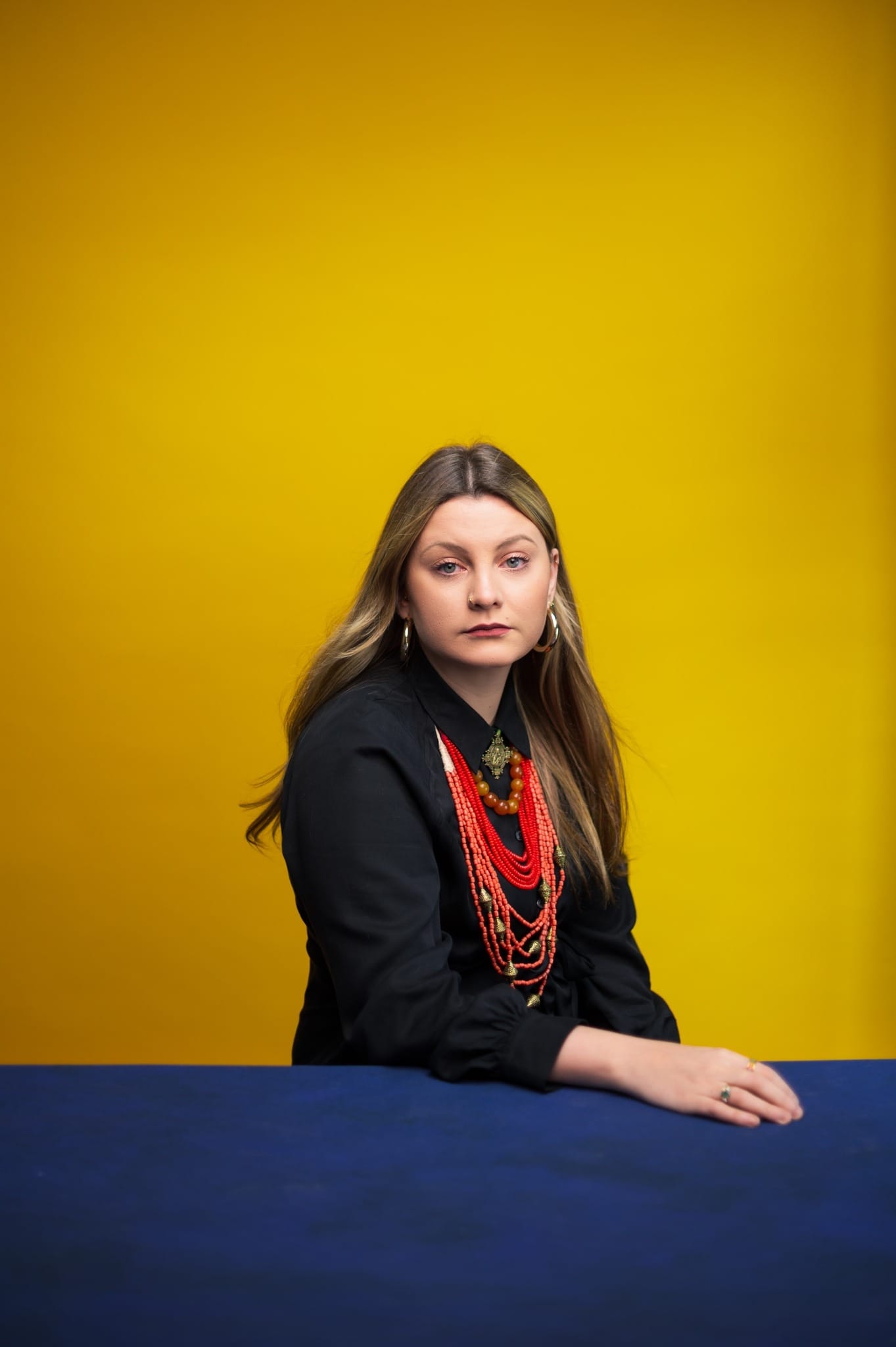
Valeriia Voshchevska: Ukrainian digital storyteller, reporting wartime realities where visibility can mean both solidarity and personal risk.
The session moves beyond diagnosing problems to offer practical frameworks: maintaining clarity without self-censorship, and building resilient, multi-platform workflows. As Cho has recently reflected, some stories — such as those from Gaza — demand a more emotional, direct approach than traditional models allow, challenging newsrooms to reconsider what credibility and neutrality mean in moments of crisis.
But news startups embracing this approach run real risks. Almost's Instagram account was recently deactivated after false copyright strikes, jeopardising five years of hard work and growth, simply because automated systems fail to recognise them as legitimate news organisations.
This panel asks: what does responsible journalism look like when platforms act as editors, and how can newsrooms protect both their stories and their storytellers?
Session: Learning how to fail correctly — lessons from Flightstory's failure and experimentation desk
Grace Miller
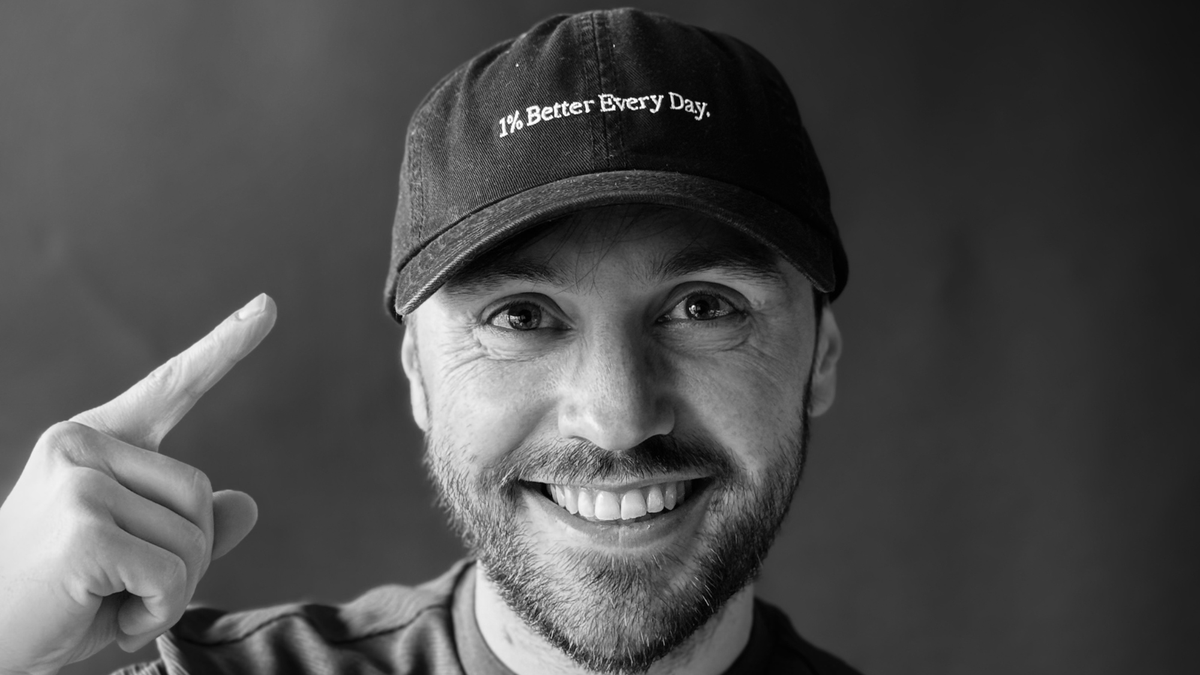
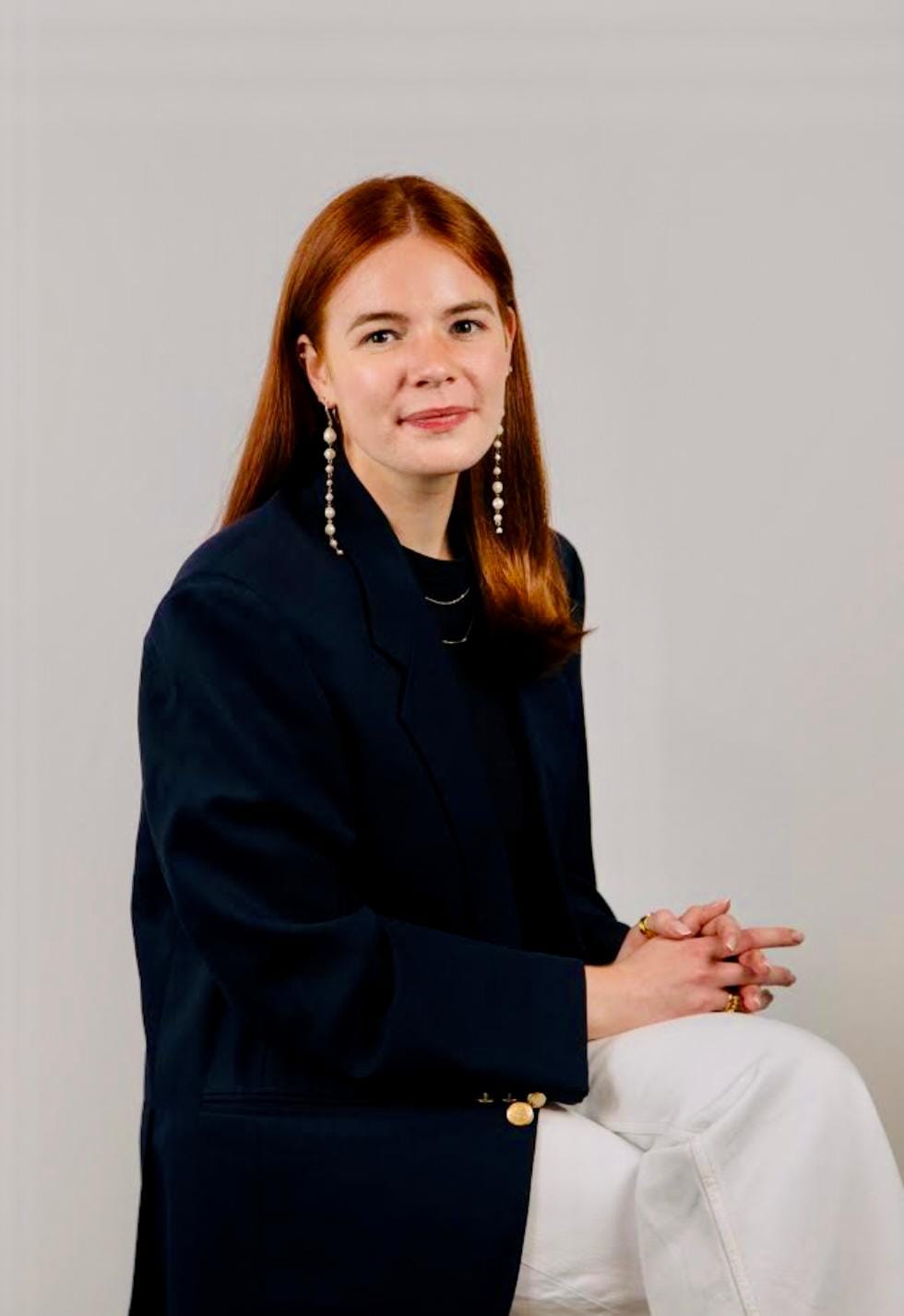
Grace Miller, head of failure and experimentation at Flightstory — the powerhouse behind The Diary of a CEO and other hit podcasts — brings a candid and fresh outlook to Newsrewired.
How is it that The Diary of a CEO rocketed from just under 100,000 YouTube subscribers to over 15 million in just four years? The secret ingredient is embracing mistakers, not as something to be shied away from and discouraged, but outwardly rewarded. She'll tell us more about creating this company culture for yourself.
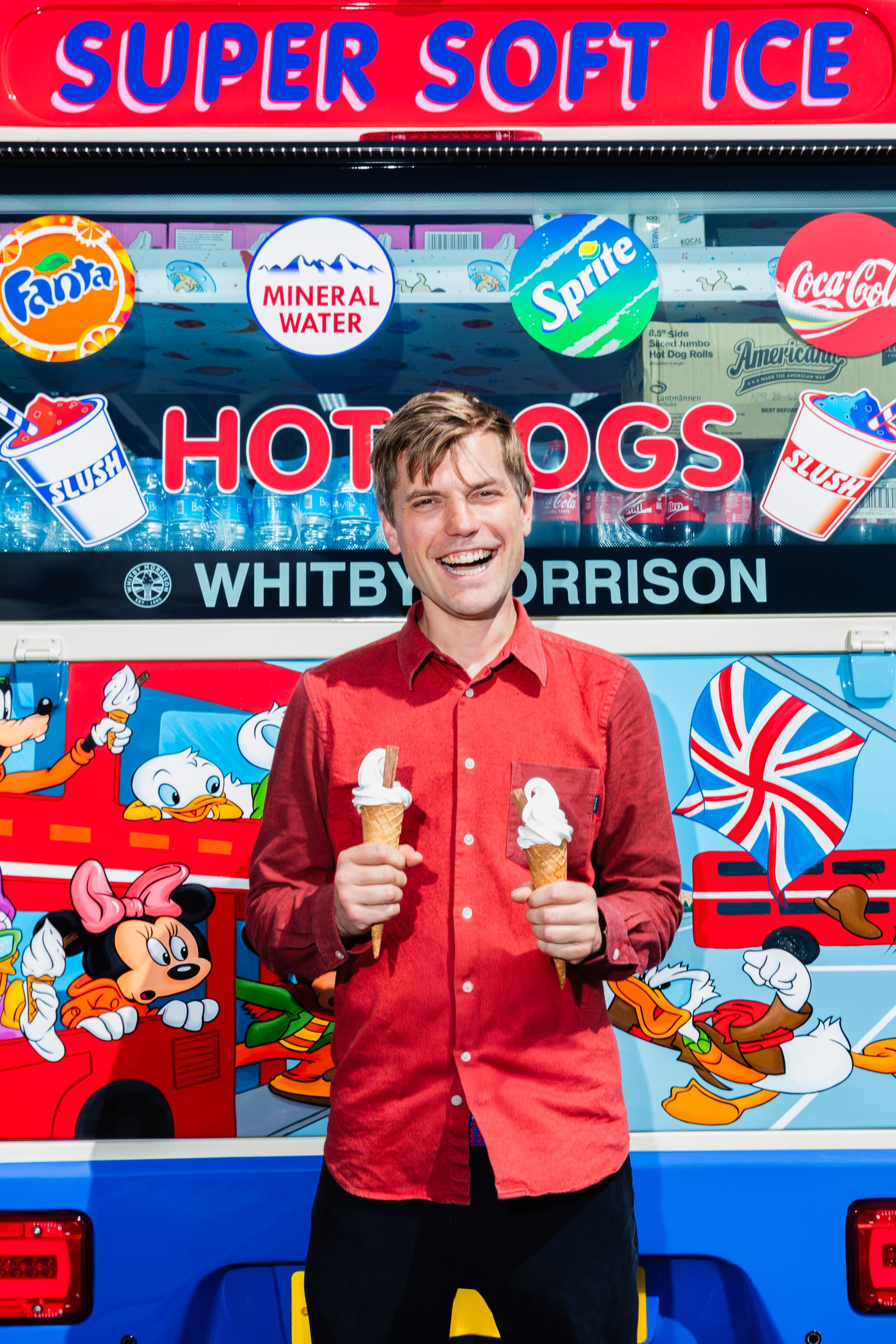
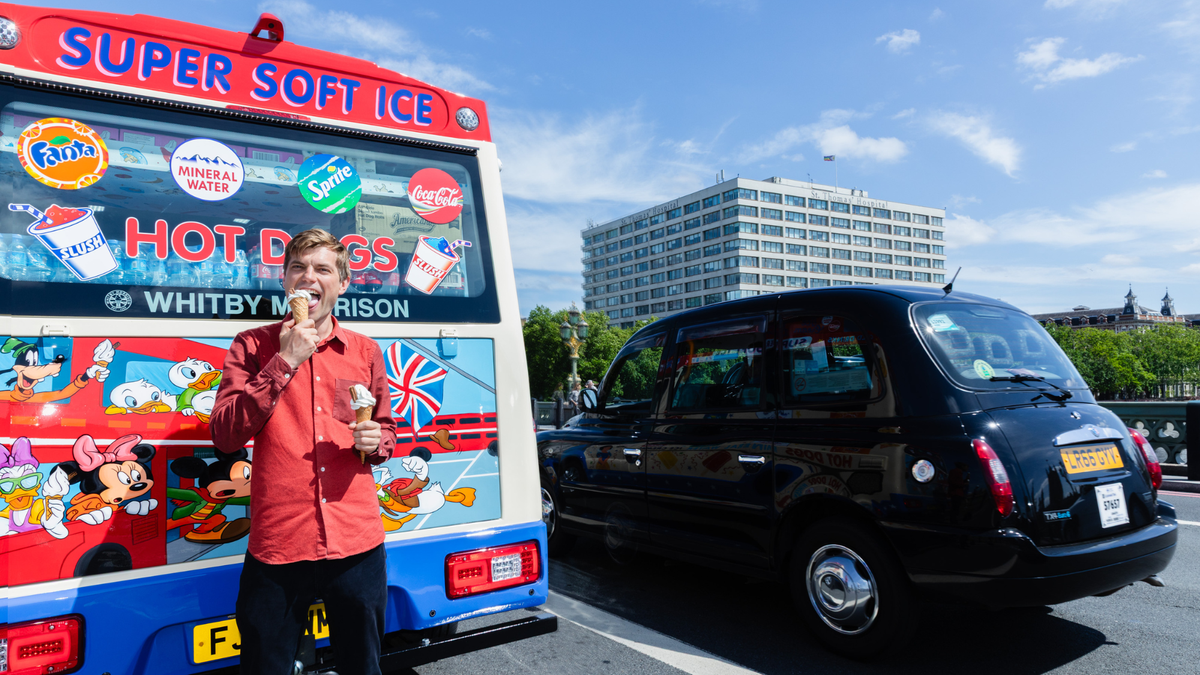
Flightstory is renowned for its outside-the-box approach, which includes an 'experimenter of the week' trophy – we spoke to one such winner not so long ago:
Fireside Chat: Reinventing The Economist — Inside the launch and impact of Economist Insider
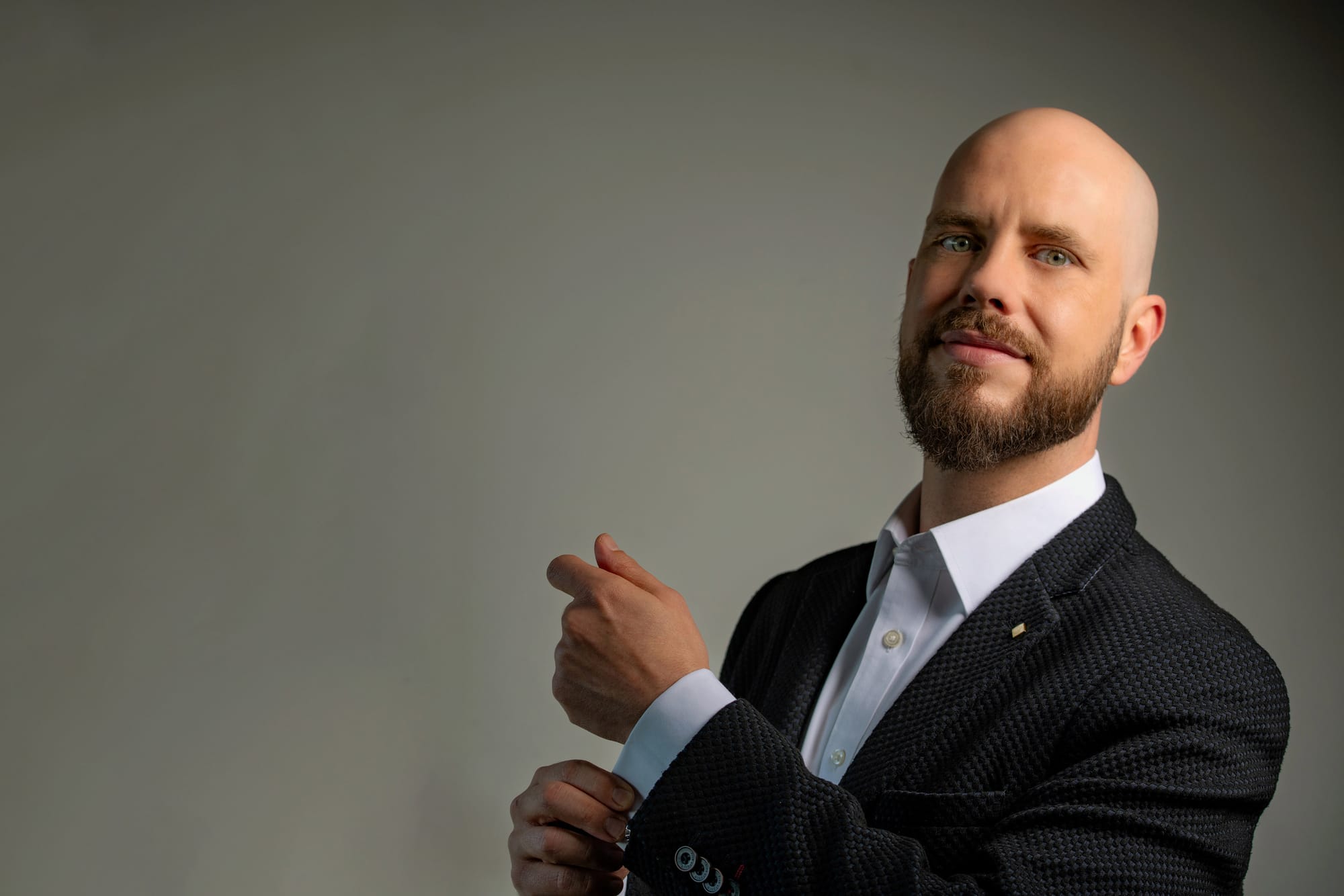
Luke Bradley-Jones and Ramaa Sharma
This session brings together two leaders at the crossroads of legacy and innovation.
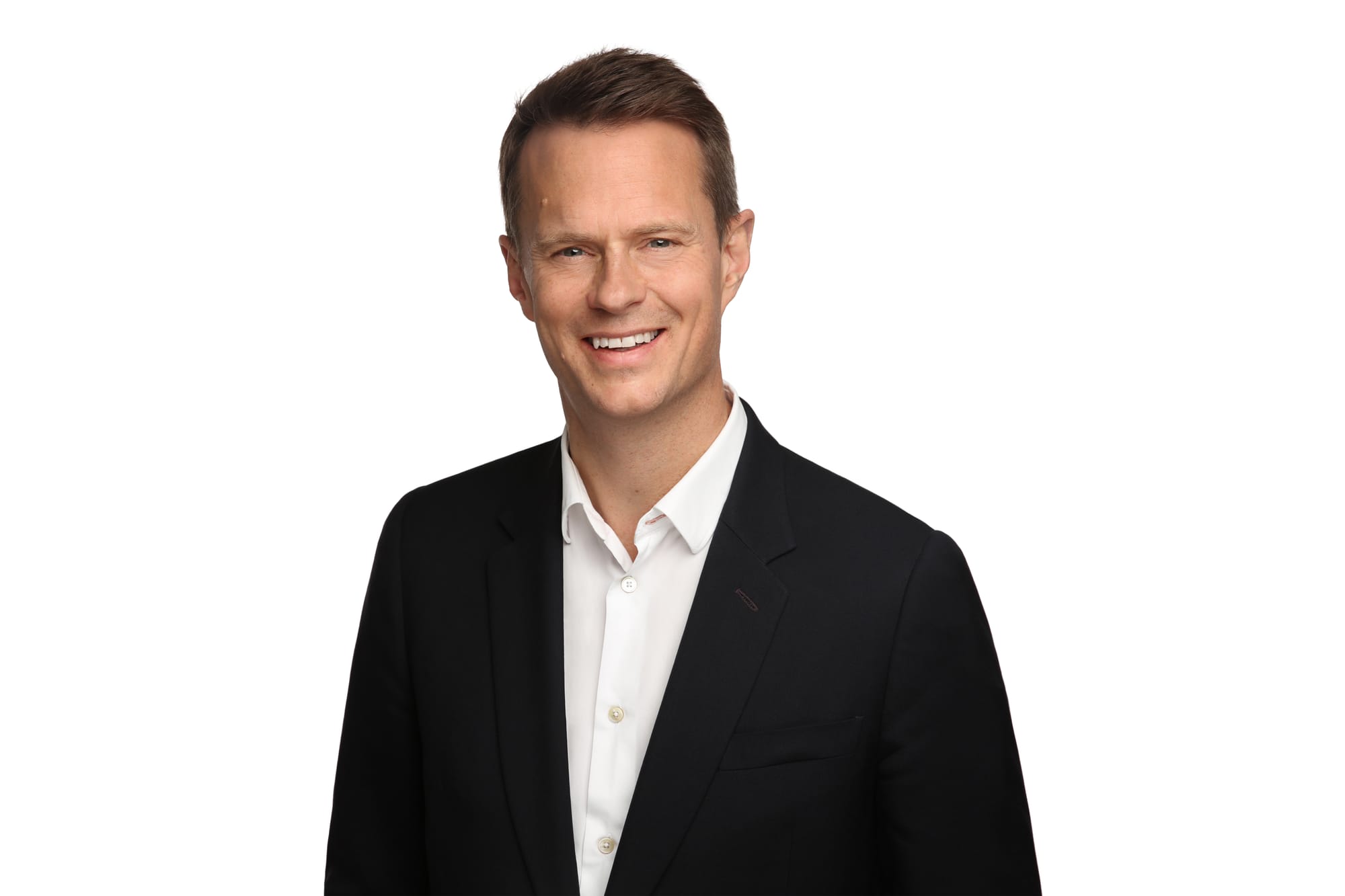
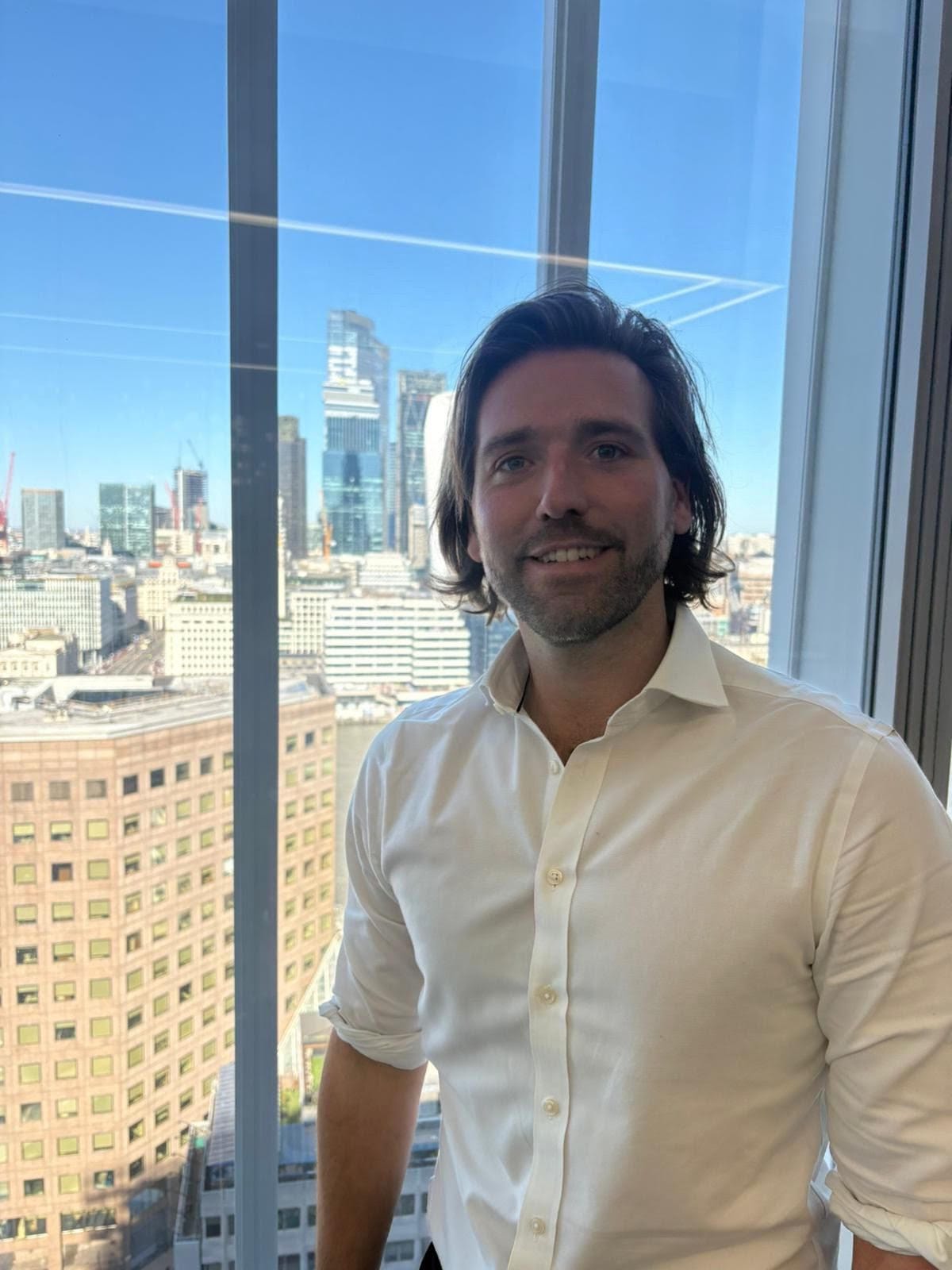
Luke Bradley-Jones, president of The Economist Group, draws on a career spent transforming established media brands and scaling digital-first platforms. From launching on-demand services at Sky to driving the rapid growth of Disney+ across EMEA, Luke’s expertise in product innovation and digital strategy now shapes The Economist’s bold move into subscriber-exclusive, personality-driven video journalism with Economist Insider. He’ll share how the publication is balancing its storied tradition of byline-free analysis with new formats that engage audiences in fresh, dynamic ways.
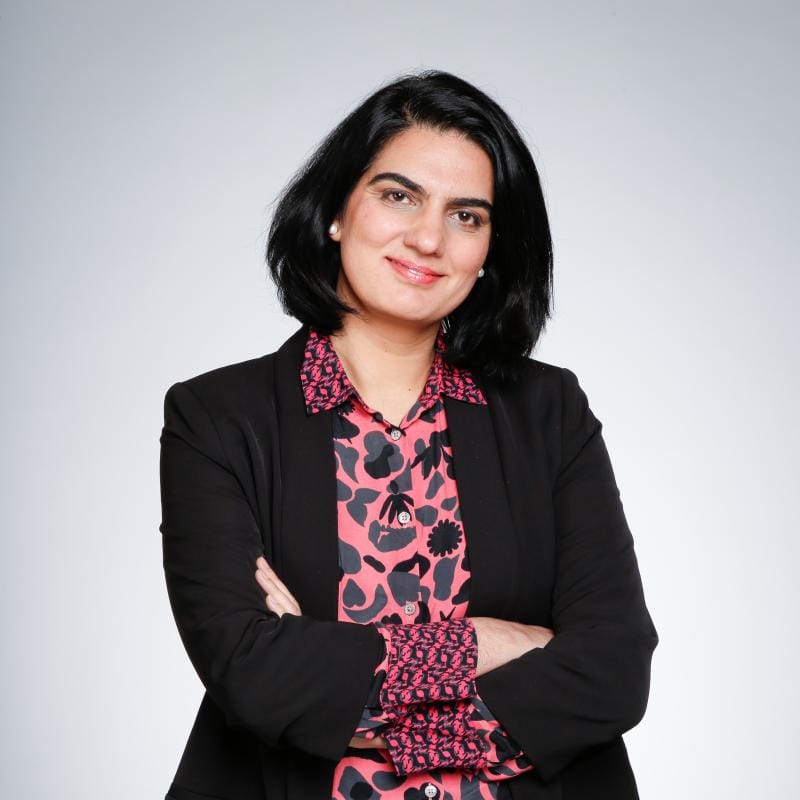
Guiding the conversation is Ramaa Sharma, an award-winning media leader and consultant whose work at the BBC and beyond has focused on digital transformation, inclusive journalism, and the ethical use of AI. Her perspective ensures the discussion goes beyond launch strategy to interrogate the smaller details on reinventing a legacy brand for the future.
Reddit is synonymous with the AMA, and in this rather-meta session, the platform steps into the spotlight to answer publishers’ burning questions.
Whether you’re curious about building a loyal community, sourcing original stories, or driving meaningful engagement, this session offers a rare chance to get direct, actionable advice directly from both the platform itself and one of the most well-versed journalists:
Oliver Wrighton, senior growth partnership lead at Reddit, brings hands-on expertise in helping publishers, music labels, and sports organisations navigate Reddit’s unique culture. He can tell you how to engage authentically, where to add value and how to avoid the most common pitfalls
Rachel Duffy, The Times' head of community has pioneered Reddit strategies at major UK newsrooms, including The Telegraph, where her work drove record engagement and opened new markets – see below:
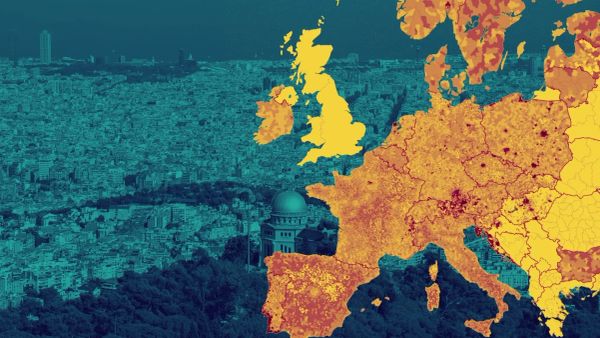
Case study: How is Britain doing? Building Times Data
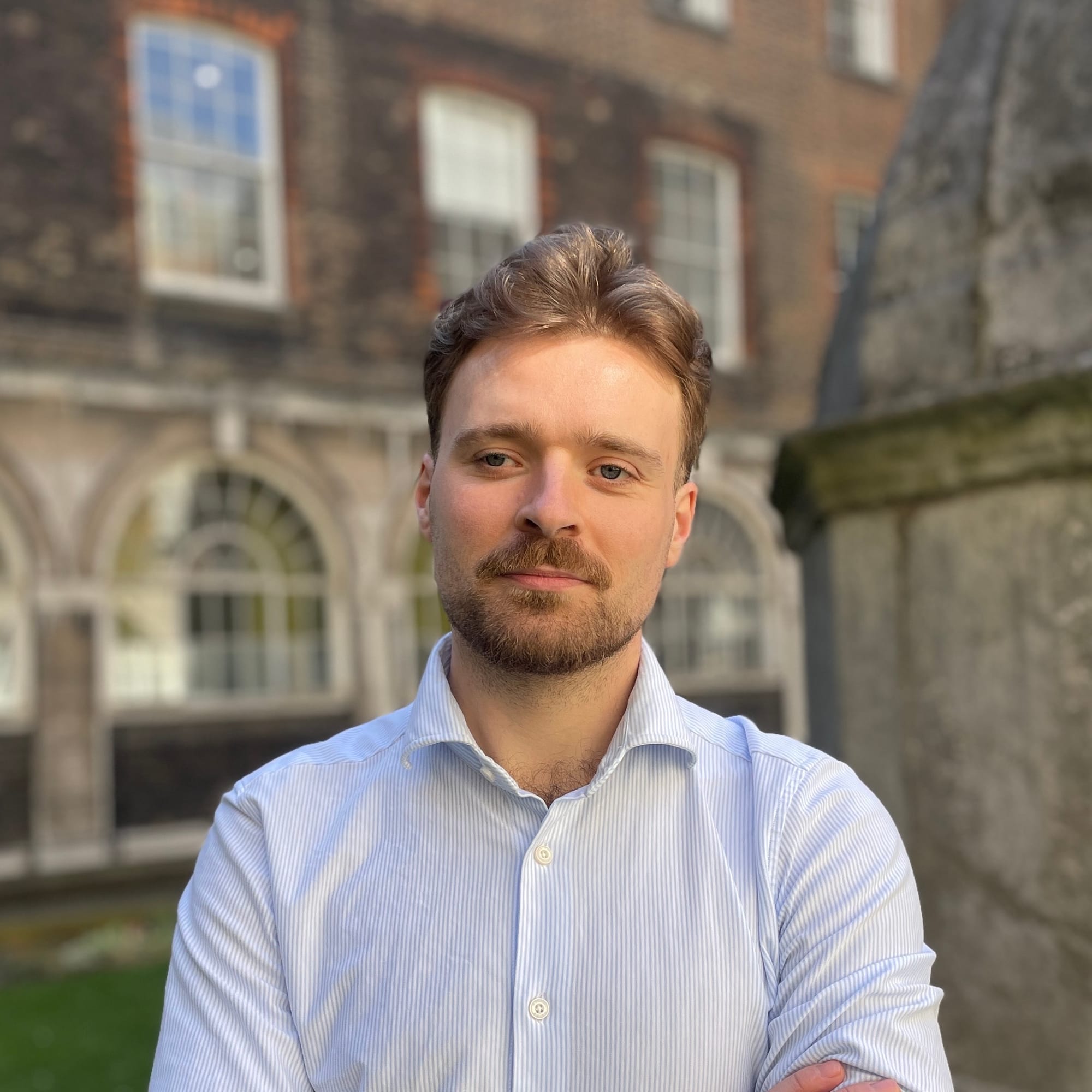
Tom Calver
In this insight-packed session, Tom Calver — an award-winning data editor at The Times and The Sunday Times — takes us behind the scenes of Times Data, the paper’s new data-driven section dedicated to explaining the state of the nation.
Drawing on early reader feedback and his experience making data central to The Times’ coverage, Calver will offer practical lessons on launching data journalism initiatives that resonate with audiences and adapt to the realities of modern newsrooms. This 15-minute case study is a must for anyone interested in the intersection of data, editorial innovation, and audience engagement.
Reality check with creator-led news brands: Black Current News, Millennial Masters and London Centric
Nadine White, Daniel Ionescu, Jim Waterson
What does it really take to launch and sustain an independent news startup in today’s media landscape? In this candid session, three of the UK’s most notable journalists—each with a track record of breaking new ground—share the unvarnished truths behind their creator-led ventures.
Nadine White, an award-winning journalist, filmmaker, and founder of Black Current News, who made history as Britain’s first dedicated race correspondent at The Independent and as a leading voice on equality and social change. Her work spans investigative journalism, documentary filmmaking, and agenda-setting coverage of underrepresented communities.
Daniel Ionescu, founder of The Lincolnite and now Millennial Masters, knows well the realities of building a brand from scratch. His newsletter and podcast spotlight millennial entrepreneurs and offer practical strategies for growth and productivity.
Jim Waterson, former Guardian media editor, now leads London Centric, redefining local news for the capital. His leap from one of the nation's top media reporters to independent entrepreneur is indicative of the growing opportunity for specialist and highly-followed journalists.
What happens when journalism steps off the page and onto the stage? In this innovative session, The New Humanitarian’s Annie Slemrod and Dr Glenda Cooper (City St George’s, University of London) demonstrate how live journalism — where stories are performed face-to-face — can break down barriers between reporters, sources, and audiences.
Through a blend of video, live performance, and candid discussion, the session spotlights two recent projects, with performer Verónica Muñoz Martínez showing how these projects reached and amplified voices often missed by traditional media, and how letting people speak for themselves can foster deeper engagement and impact.
Attendees will leave with practical tips for making journalism more inclusive and audience-focused, and inspiration to experiment with live formats in their own newsrooms. This is a rare chance to see journalism as performance — low-tech, high-impact, and designed to make stories truly live beyond the article.
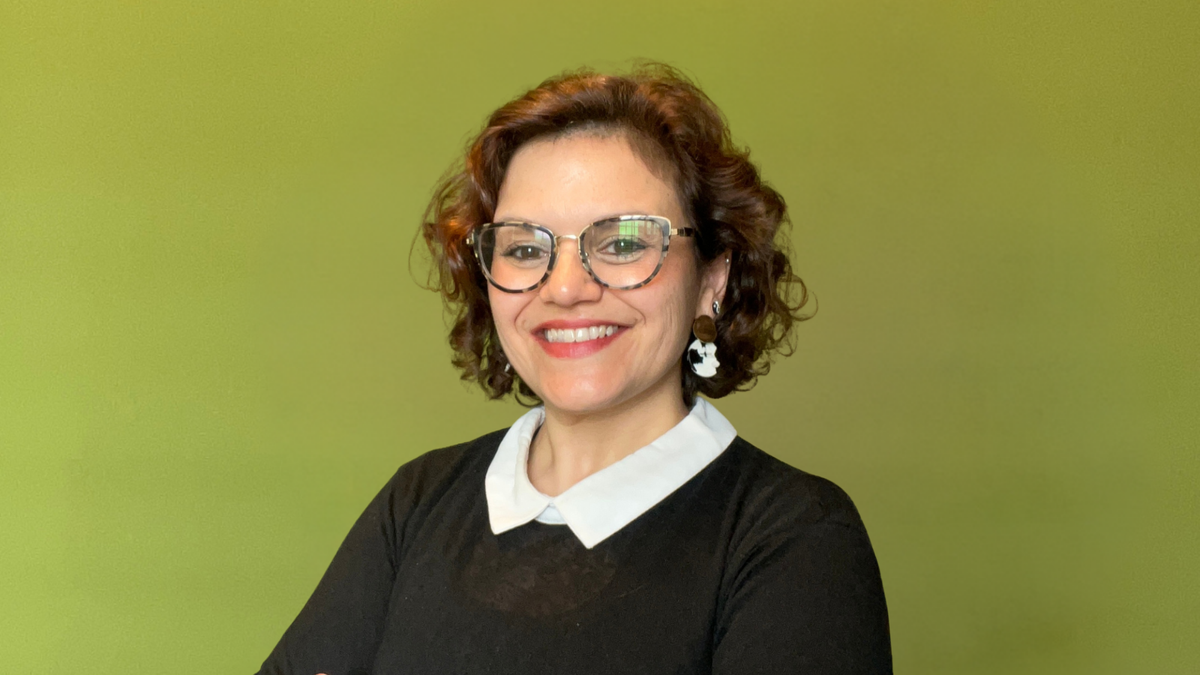
Join Erika Marzano, audience development manager at Deutsche Welle (DW), for a hands-on workshop unpacking DW’s remarkable TikTok journey. In 2025, DW’s TikTok strategy drove 3.7 billion views, making it the broadcaster’s most-watched platform and expanding its reach to 33 regional accounts across diverse languages and editorial cultures. This explosive growth connected DW with younger and more female audiences than ever before.
Marzano will share the practical blueprint behind this success: what scaled smoothly, what didn’t, and the underestimated challenges of turning TikTok from a "growth platform" into a newsroom essential. She’ll also tackle the complexities of integrating TikTok with DW’s own website and offer candid, actionable insights for newsrooms aiming to make social video a strategic pillar.
Expect a session rich in real-world lessons for anyone looking to build meaningful audience engagement through social platforms.
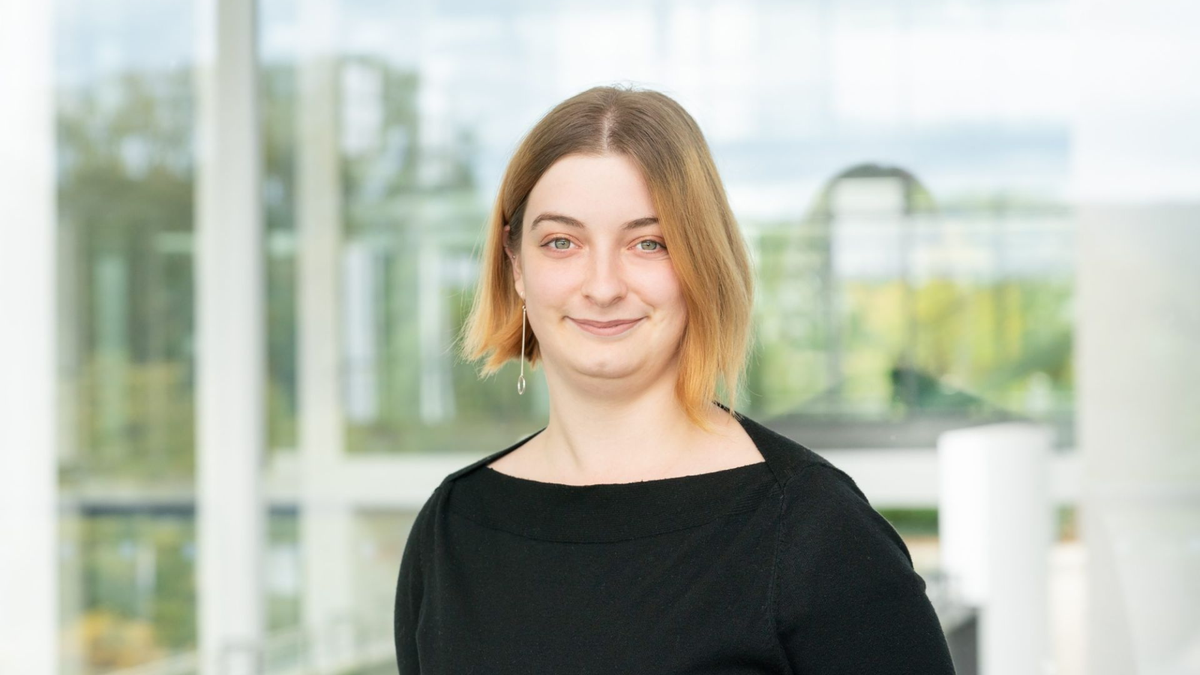
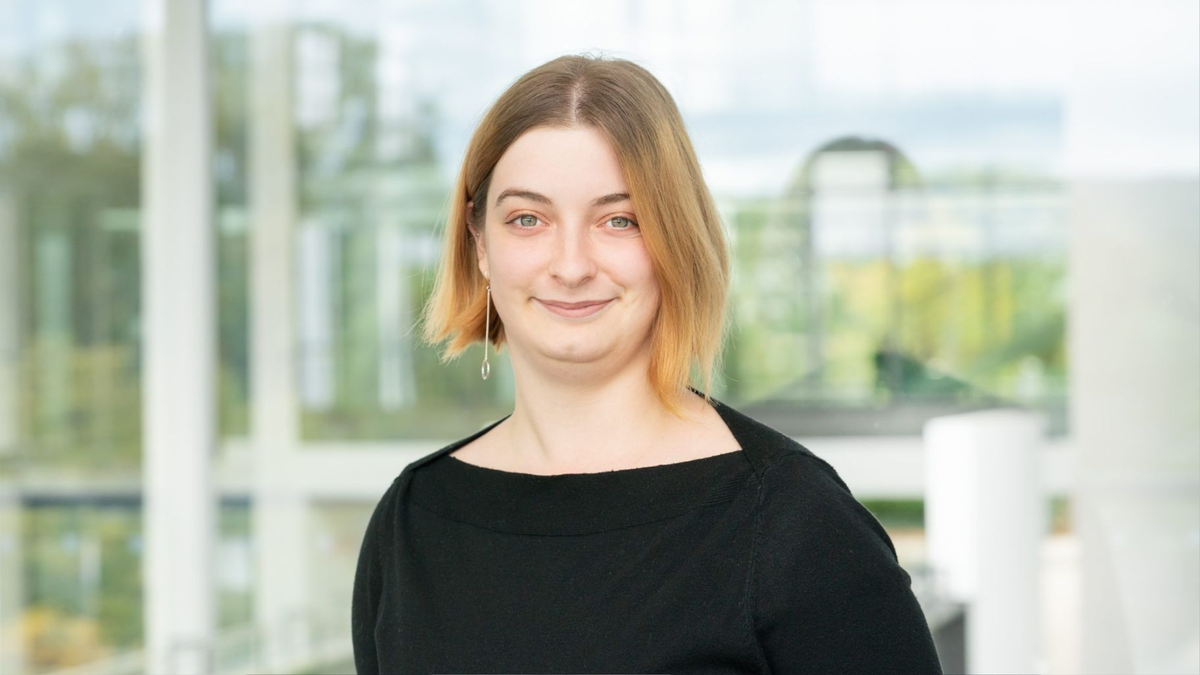
Led by Dr Rebecca Whittington, the UK’s first online safety editor at Reach Plc, this tailored workshop is designed to give journalists practical, real-world skills for protecting themselves from online harassment and harm – at a time when journalists are compelled to put more of themselves online.
Drawing on her pioneering newsroom experience and advocacy for journalist safety, Whittington will guide participants through auditing their own digital footprint, spotting vulnerabilities, and taking concrete steps to secure personal information.
We ask that you get in touch if you'd like to be a live participant in the room, as we uncover your online presence in real time, discuss findings, and receive tailored advice in a supportive environment.
The session will also cover emerging safety trends — like increased scrutiny at police-manned events and new challenges around press credentials — ensuring journalists are prepared for the evolving risks of digital reporting.