When experiments become movements: The rise of live journalism in an age of doubt
Journalists are stepping onto stages and into neighbourhood halls to tell their stories live, raw and unfiltered
– 6 min read


Journalists are stepping onto stages and into neighbourhood halls to tell their stories live, raw and unfiltered
This article is from our community spotlight section, written by and for our journalism community.
We want to hear about your challenges, breakthroughs and experiences. Want to contribute? Get in touch and help shape the discussion around the future of journalism.
The lights were low. Pillows scattered on the floor. Musicians tuning quietly at the edge of a stage. Then the reporting began. Voices drawn from raw interviews told stories of history and harm: the Bhopal gas tragedy; the hidden children of China’s One Child Policy. Someone in the audience stood up and said: this is my story too. That evening in Amsterdam stayed with me.
Over the months that followed, I pursued that feeling across Europe: Lisbon, Madrid, Vienna, Warsaw, Helsinki, anywhere journalists brought reporting directly to audiences in theatres, cafés, and neighbourhood halls.
I began mapping these initiatives out of curiosity, expecting a few creative outliers. Instead, I found more than 50 projects: local, investigative, performative. This had staying power.


"Live journalism" is a manifestation of something broader: experiential journalism, reporting made to be witnessed, not read. Audiences don't fully know what's coming next. And that may only work if they trust the people telling the stories.
Practitioners meet at the International Live Journalism Festival, comparing structures and swapping production notes across borders. In Germany, the Reporter Slam has journalists compete on stage. In Latvia, Re:Baltica transforms investigations into theatre. And Portugal’s Mensagem de Lisboa, the digital outlet devoted to covering the city, invites the protagonists of its own reporting on stage to tell their stories live.
Similar formats exist in more than 25 European cities and from Lebanon to Colombia. Across cities, I saw the same scene: journalism that can be experienced.
 Annie Slemrod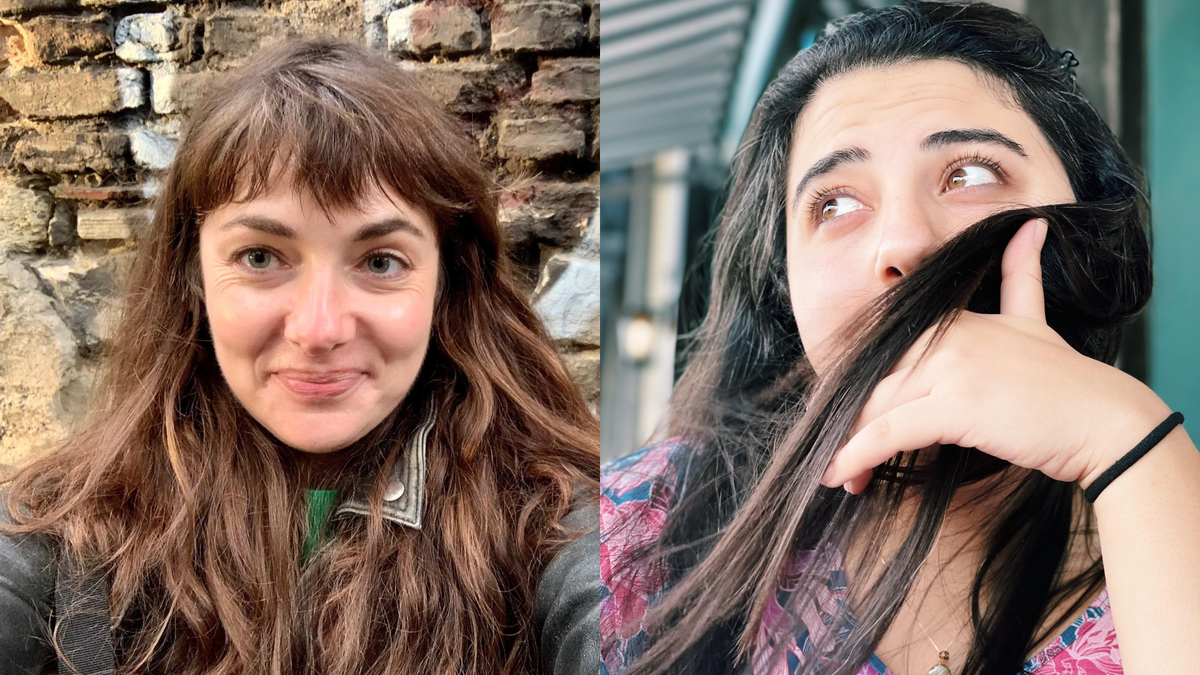
One night in Madrid, a single journalist stood on a dark stage facing nearly 900 people. No panel, no moderator, no slides. Just live music and months of reporting distilled into one human voice. The story was deeply personal: a primetime television presenter and climate expert reflecting on how hard it had been to report on the 2024 Spain floods, and the therapy that followed.
The aim is "to show the fragility of the messenger precisely to give strength to the stories," explained François Musseau, co-founder of Diario Vivo and a veteran foreign correspondent, who stages regular shows in Madrid and for the French newspaper Libération.
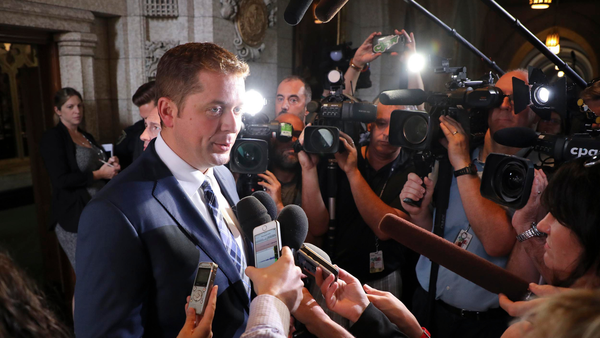
In a period marked by "fake news and alternative truths", he argues, journalists stepping on stage to share the personal cost of reporting changes the contract: the reporter is no longer abstract, but visible and accountable.
Each encounter underscores a reality we often overlook in journalism: facts inform, but connection and empathy move people. Live journalism offers a space for us to process information emotionally and collectively. In a media ecosystem that often leaves people feeling isolated or overwhelmed, something is grounding about making sense of the world together.
Sometimes, the experiment goes further.
In Lisbon, Mensagem de Lisboa puts the protagonists of its reporting on stage. People whose stories were first told in print return to testify live about a city in transformation. Their experiences, already rigorously reported and curated, become narratives, songs, even small theatrical performances. It is not investigative journalism, but community-rooted reporting that makes the city feel present in the room.