Bailed Cameroon journalist returns to human rights research
The NUJ has offered Charles Atangana a place to work at Headland House while he prepares a deportation appeal and continues Cameroon investigations
– 2 min read


The NUJ has offered Charles Atangana a place to work at Headland House while he prepares a deportation appeal and continues Cameroon investigations
This article was migrated from an old version of our website in 2025. As a result, it might have some low-quality images or non-functioning links - if there's any issues you'd like to see fixed, get in touch with us at info@journalism.co.uk.
There used to be something here that couldn't be migrated - please contact us at info@journalism.co.uk if you'd like to see this updated!
A journalist awarded bail on Friday following an ongoing battle against his threatened deportation has already returned to his work of researching human rights abuses in his native country. According to the NUJ , who have led the campaign to see a deportation order on Charles Atangana dropped, the economics and current affairs journalist visited the union's Headland House offices after he was released from Dover Immigration Removal Centre on Friday.
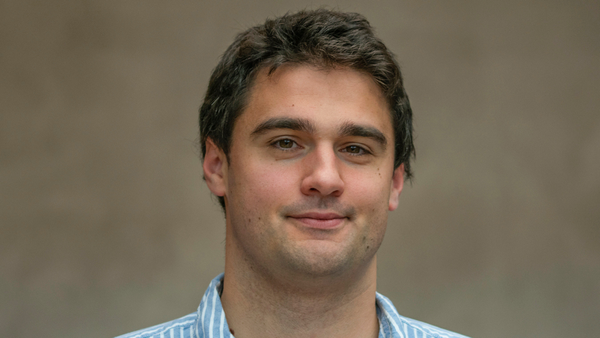
Today, Atangana (pictured with NUJ general secretary Jeremy Dear) told Journalism.co.uk recent events would not stop him doing his job, which he has already returned to using facilities at the union's offices.
"I reported to the UK Border Agency on Friday 25 June in Glasgow and I was detained. I informed Paul Holleran, NUJ Scottish Organiser and he told me not to be afraid, he said the NUJ would help. Now my dreams have come true.
"The NUJ and the legal team have played a massive role in supporting my case. Without the campaign I doubt I would have been released on bail. This experience has changed my life in many ways and I will never stop fighting injustice, corruption and social exclusion."
Members of the NUJ and other supporters protested outside Atangana's bail hearing last week as part of an ongoing legal challenge after his application to appeal the deportation order was refused.
Atangana, who was reportedly tortured and detained in his home country for writing about alleged political corruption,
has lived in Glasgow since arriving in the UK in 2004.
He was due to be deported two weeks ago but was granted a temporary reprieve allowing him to remain in the UK.
He has now been granted bail for six weeks to enable him to prepare an application to seek a judicial review of his case.
Dear said he was delighted the NUJ could help Atangana continue with his work so soon.
"It was great to welcome Charles to Headland House after his release from Dover Immigration Removal Centre. The NUJ are proud to have led the campaign for his release, but this is just the beginning. Now we need to step up the fight to stop his deportation," he told Journalism.co.uk.
"Charles is an economics and current affairs journalist but asylum and immigration rules mean he is not allowed to earn a wage in the UK. In this context we were delighted to be able to offer him the opportunity to use our facilities at Headland House to help him tell his story. We are able to help Charles and at the same time defend the principles of media freedom internationally."