Beyond the hype: Three cultural traps blocking AI adoption
Between 2023 and 2025, I worked on AI adoption with three Argentine newsrooms. The tools evolved. The need for cultural change remained constant. This is what I learned in the process.

This article is from our community spotlight section, written by and for our journalism community.
We want to hear about your challenges, breakthroughs and experiences. Want to contribute? Get in touch and help shape the discussion around the future of journalism.
Most articles about AI in newsrooms tend to come from the Global North. Case studies from major media outlets in the United States or Europe. They're useful, it's true, but they often miss something crucial. They describe what's possible with abundant resources, large teams, and technical infrastructure that most newsrooms in the world will never have.
This is not that story.
Between 2023 and 2025, I worked with three Argentine newsrooms of different scales on AI adoption processes and delivered training to another twenty Latin American media outlets. All marked by tight budgets, diverse teams, and constant economic uncertainty. Budget constraints functioned as a filter that revealed what really matters.
Todo Jujuy, a regional outlet in Jujuy province, faced a typical dilemma for local media. Its small team spent hours producing service content (weather, traffic, sports results, and national news) while some of the local stories that truly mattered to their community went uncovered.
We defined a clear objective from the start. Automate the repetitive so journalists could focus on what other outlets weren't covering. We moved forward gradually, with human oversight at each stage, and developed clear internal guidelines on when and how to use AI.
Results came quickly. Within a year, Todo Jujuy went from zero AI-assisted articles to more than 500 per month. Page views nearly doubled, from 1.3 million to 2.4 million, while the number of users tripled. But more important than the numbers was the editorial shift. The team reclaimed time to produce higher-value journalistic content. AI worked because it responded to a clear editorial need, not because it was adopted due to hype pressure.

With 0221, a local digital outlet in La Plata, we approached integration on two parallel levels. At the strategic level, we worked with management and senior editors to define a shared vision, establish priorities, and develop responsible use policies. At the operational level, the focus was on journalists.
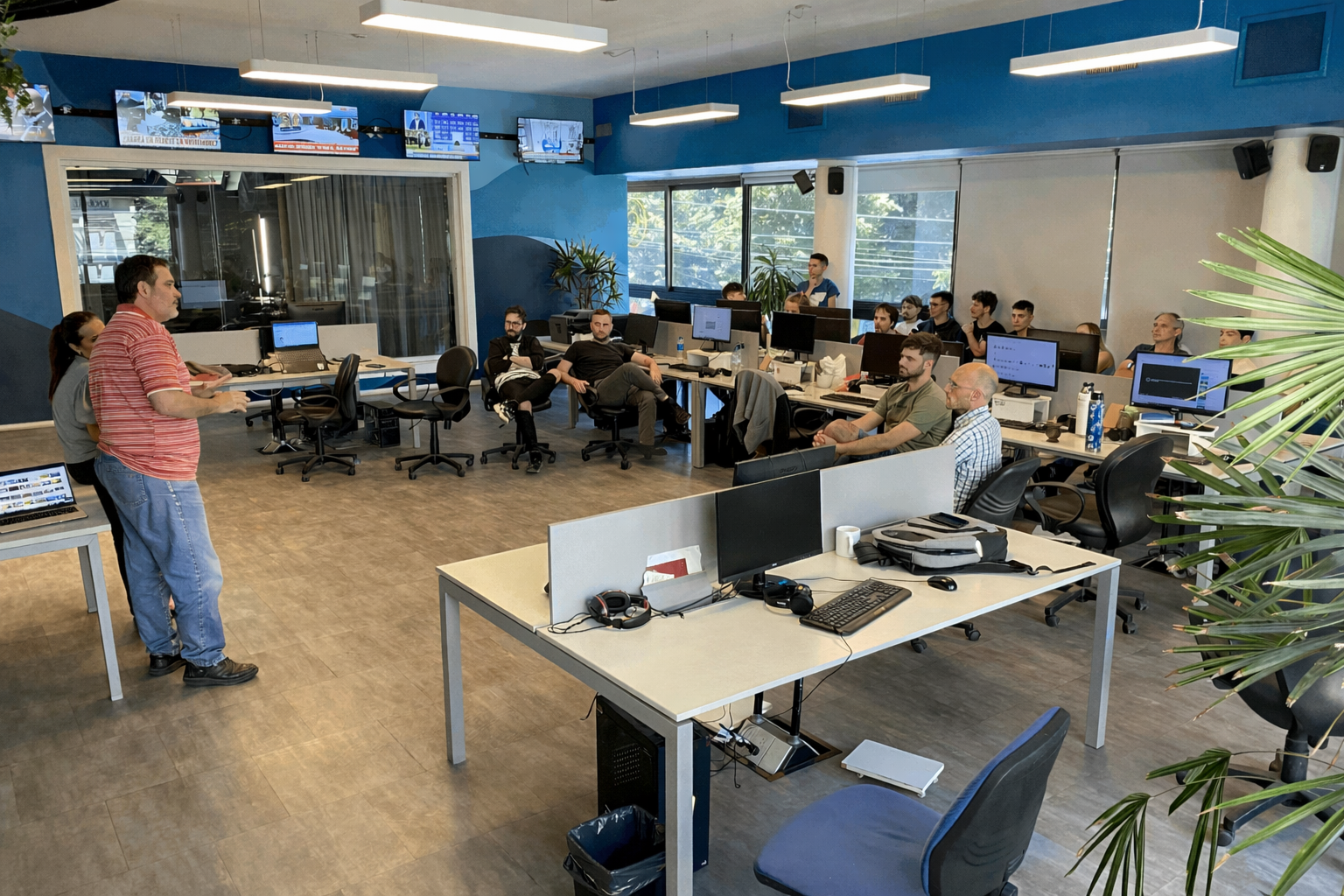
The difference lay in the methodology. Instead of delivering generic tools, we facilitated workshops where journalists themselves learned to design effective prompts and create custom models for their specific workflows. They developed tailored assistants for tasks like interpreting official bulletins, analysing police reports, and generating supplementary content drafts.

An internal survey revealed that 90 per cent of the team valued the experience positively, citing ease of use and reduction of repetitive tasks. 70 per cent reported that AI improved their creativity or inspired new ideas. Even more revealing was the production data. During the first quarter of 2025, "production stories" (higher-value articles developed in a single day) increased 129 per cent compared to the same period in 2024, while total content volume grew just 2.2 per cent.
The key was that journalists designed their own tools rather than being limited to using predefined solutions.

With Clarín, one of Argentina's leading national dailies, the approach was different. We didn't design a complete integration but rather an intensive exploration workshop with more than 50 journalists and editors from different sections.