BBC-Trump controversy reactions: what do you make of it all?
The latest controversy is about more than a single documentary or a change in leadership. It raises fundamental questions about decision making, pressure on staff and the future of the public broadcaster
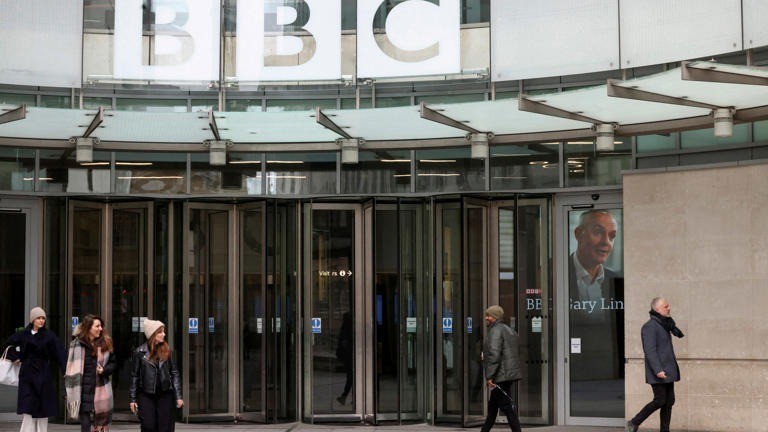
The BBC stands as a cultural anchor for the UK and a global leader in journalism. Year after year, the public broadcaster sits at the top of the UK trust rankings in the Reuters Institute Digital News Report. This year, 60 per cent of Britons said it trusted BBC News.
Yet, beneath this reputation, the broadcaster faces mounting questions about its ability to deliver on its core mission. Last month, it published audience survey findings which revealed a public that still values the BBC’s core mission, but doubts its effectiveness – especially around impartiality and trust, which the BBC has made a core mandate in recent years marked by a number of controversies.
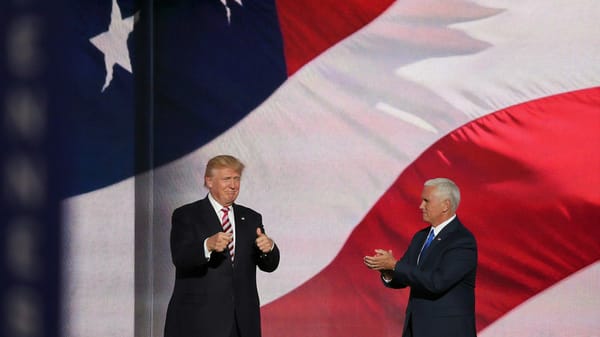
These doubts only deepened this weekend, after The Telegraph reported a leaked memo that raised concerns about how a BBC Panorama documentary (aired in October 2024) misleadingly sliced quotes by US president Trump ahead of the Capitol riots on 6 January 2021.Such concerns fell on deaf ears. The story brought fresh accusations of misleading coverage, political interference and editorial misjudgement.
But the story is bigger than a single documentary or a change in leadership. It’s about the BBC’s ability to maintain public trust, the pressures and pitfalls of editorial decision-making, the impact on staff, and the urgent questions now facing the broadcaster’s future. Below, we gather a range of expert and insider perspectives on what this moment means for the BBC, its people, and the wider media landscape.
Rebuild, don't dismantle
Stuart Rowson, who held a range of senior roles at the BBC from 2007 to 2021, insists the broadcaster’s mistakes are inevitable for an organisation of its size, but shouldn’t overshadow its global impact. He argues that now is the time to protect and strengthen the BBC, not dismantle it.
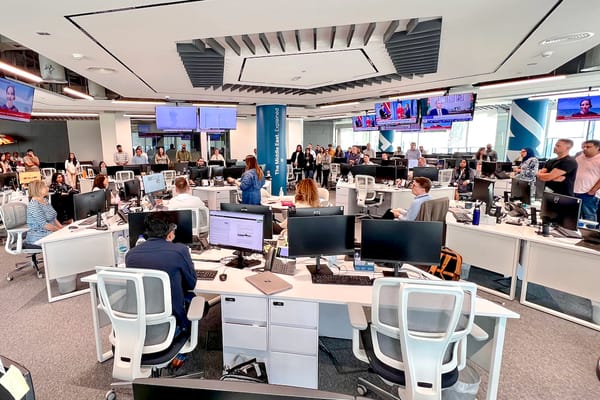
Georgia Coan, a former BBC audio producer and journalist, echoes this sentiment, emphasising the dedication of staff who deliver public service journalism under immense pressure and regular cuts. She calls for empathy for those facing further upheaval, while stressing the importance of transparency and accountability.
'Once is a mistake, twice is a pattern'
Despite its strengths, the BBC is facing a crisis of confidence. The recent resignations of senior leaders, following controversy over the editing of a Donald Trump speech for Panorama, have reignited debate about editorial standards and impartiality.
Jon Briggs, a veteran broadcaster and former BBC journalist, expresses deep disappointment over the editorial lapse. Having long defended the BBC’s reputation, he now questions how trust can be rebuilt.
Lucinda Borrell, freelance producer, director, and former BBC freelancer, sees these scandals as signs of systemic issues rather than isolated mistakes. She points to other, repeated editorial controversies – like the Lucy Letby documentary – as evidence that the BBC needs to scrutinise its internal structures, recruitment, and decision-making.
The BBC’s challenges are not just editorial – they are operational and political.
Dougal Shaw, a former BBC journalist, highlights a consistency across two recent controversies (the Trump-Panorama fallout and a Gaza documentary that breached Ofcom rules): they were both produced by independent companies. He notes that while commissioning content from independents supports the wider creative industry, it also introduces new risks – especially in news, where communication breakdowns and cultural differences can have high-stakes consequences. Shaw suggests that the BBC’s future leaders may need to re-examine how these partnerships are managed, ensuring clearer lines of responsibility and communication.
Marcus Ryder, a former BBC executive now CEO of the Film and TV Charity, frames the crisis as a test of the broadcaster's independence. While he has often disagreed with the BBC’s editorial stance, Ryder warns that political pressure leading to leadership resignations threatens the very foundation of independent journalism. He issued a warning against scapegoating individuals.
Others feel that surface-level solutions may not cut it, and instead, deeper reform is needed. The BBC renews its Charter (purpose and mission) every decade, and the next renewal on 31 December 2027 provides an opportunity to rethink its approach.
Matt Walsh, head of the School of Journalism, Media and Culture at Cardiff University, argued that the BBC faced a thankless task when its audience survey findings came out – that its universal mandate is essential, but its governance is failing. He reinforced the same warning amid the Trump-controversy: consider how to improve services to all communities so they are free from political interference.
Jonathan Heawood, founder of IMPRESS, proposes a radical shift: a Citizens Assembly to directly involve the public in shaping the BBC’s future. He argues that participatory reform could break the cycle of crisis and align the BBC with its founding spirit, making it more resilient to elite-driven attacks.
What is your take on this story? Leave a comment bellow or email Jacob.