This article was migrated from an old version of our website in 2025. As a result, it might have some low-quality images or non-functioning links - if there's any issues you'd like to see fixed, get in touch with us at info@journalism.co.uk.
What started as a bold three-year digital experiment has become one of CNN's most successful editorial initiatives.
As Equals, CNN's award-winning series reporting on gender inequality, was initially conceived as a mobile-first project funded by the European Journalism Centre.
When Journalism.co.uk reported on the launch of this project in 2021, then-senior director, Blathnaid Healy hoped meaningful solutions would emerge: "Where it will move the needle is by engaging so many groups in its journalism. Educating, informing and enlightening people on this topic.
"This series is for everybody, it's not a series just for women. I'm hoping that we will have a lot of engaged men, who will want to become involved with those conversations, and be part of the solution."
Today, we're pleased to report, As Equals is a five-year success story that has fundamentally changed how CNN approaches gender reporting, scooping many awards in the process, reaching millions of viewers worldwide and gaining traction with policymakers.
At the heart of this transformation is award-winning senior video producer Ladan Anoushfar, who co-leads As Equals with editor Meera Senthilingam.
Anoushfar is the longest-serving member on the team, having been there since 2021, and now spearheads the team, shaping the initiative's editorial direction and guiding its freelancers around the globe. She spoke to Journalism.co.uk about how the project has evolved and what impact really means in practice.
On breaking through the gender reporting silo
"Gender reporting is not living in a silo and can live very much integrated within the main journalism of a big newsroom," says Anoushfar, who was born in Iran and grew up in France before joining CNN. "When I joined, a lot of people would think 'oh just a women's issue.' It's not just a woman's issue and the audience doesn't see it like this either."
The Lebanon piece attracted around 100,000 views, the Rohingra story hit 2.6 million views on Instagram within three days. Another stand-out story on LGBTQ killings in Colombia became the third most-read story on CNN's platform in a single day.
There's many more examples to choose from. The "Beyond the Binary" series, exploring the challenges facing trans and non-binary people across the Global South, reached 1 million views on the website alone. Meanwhile, the "Systems Error" series examining online violence against women, reached over 3.5 million people across CNN platforms and social media combined.
"There's gender in conflict, there's gender in health, there's gender in climate, there's gender in labour," continues Anoushfar. "When you do that framing correctly, the audience resonates with it, clicks on the articles, conversations happen, and impact can happen."
On defining and measuring impact:
For Anoushfar, impact goes far beyond page views and social media engagement.
She defines impact in three distinct ways:
Raising awareness on taboo or under-reported topics
Informing policymakers and people with decision-making power
Reaching audiences who lack access to crucial information
How stories get picked up by other entities is somewhat intentional. The team keeps a list of experts, academics, and policy-makers to consult with before and after reporting. It tells them what stories require their focus, and then they feed the reporting back to them afterwards, sometimes months or even years later.
"It's not enough to just find a good story, tell the story, and that's it," says Anoushfar. "The problem continues in the real world outside of journalism and it is better to have a shelf life because it's a more efficient way of doing journalism."
On innovative formats and workflows:
Nuanced topics require nuanced story treatments. Reporting on Rohingya Hijra harassment used powerful animation sequences instead of traditional footage to make potentially distressing content more easily viewable.
Every story now receives multi-platform treatment across TV, digital, vertical formats, and YouTube. "The audience might not be the same," she explains. "You just need to make sure you give your story every single chance of being read."
The team has also refined its approach to working with local journalists, moving away from traditional "parachute journalism" toward more equitable collaborations. Established CNN correspondents are paired with local reporters who receive proper producer credits rather than fixer credits.
Source protection has become equally sophisticated, particularly given how vulnerable many sources are. This demands constant communication with sources from reporting through publication, frank discussions about the reach and potential risks of appearing on CNN.
Crucially, this means editorial teams acting in sources' best interest. Anoushfar revealed that she has offered anonymity to sources before it was ever a consideration from the sources' point of view.
On the future:
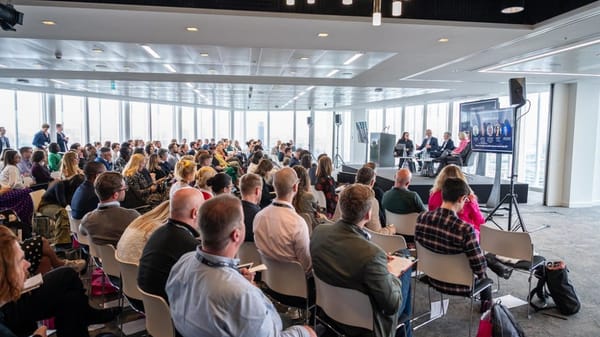
Beyond digital storytelling, As Equals has expanded into live events designed to engage stakeholders directly. Recent examples include partnering with the Lagos-based QDANCE Company to produce M/OTHER, a theatrical performance exploring maternal mental health in Nigeria, and hosting Tech Salons in New York around their "Systems Errors" series on online violence against women.
Meanwhile, the project's success has been validated through multiple awards and prizes. But a more meaningful development for Anoushfar is how far the conversation around gender equality has evolved, and continues to evolve.
"Initially, when we started, I would get a lot of pitches which were very similar on FGM or period poverty," she says. "Now I get pitches that are way more fleshed out, way more sophisticated. The conversation has evolved and people understand that a gendered subject is not just period poverty."
As the current five-year funding period concludes, CNN is in active discussions about extending As Equals beyond 2025. The project's legacy is already secured through the broader shift it has created in newsroom thinking.
Asked about the biggest difference between the 2021 launch and today's operation, Anoushfar points to a sharper and more collaborative team, and a greater interest amongst the audience: "Do not assume that the audience does not care. The audience does care."
We used Claude AI to help draft this article before it was edited by a human.