Evening Standard City readership twice the FT's, says City editor
Chris Blackhurst claims Standard has highest penetration in the City with the least resources available

– 2 min read


Chris Blackhurst claims Standard has highest penetration in the City with the least resources available
This article was migrated from an old version of our website in 2025. As a result, it might have some low-quality images or non-functioning links - if there's any issues you'd like to see fixed, get in touch with us at info@journalism.co.uk.
The London Evening Standard's City editor Chris Blackhurst was bullish last night about the title's strength in business news.
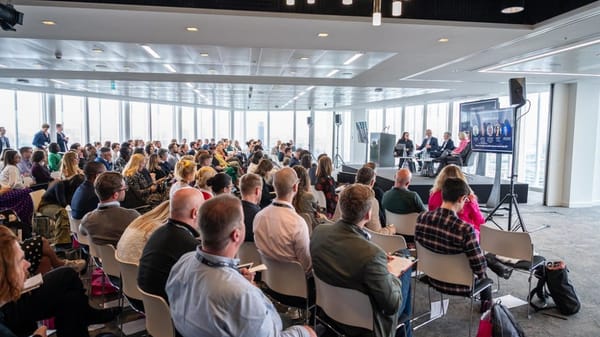
Speaking at an event organised by the Greater London Group of the Chartered Institute of PR , Blackhurst said the penetration of the Standard in the City was not something other papers like to acknowledge.
"The Financial Times would not like to hear me say this, but our readership in the City compared to the FT's must be twice as high and that's reflected in the feedback we get," he said.
"In terms of the city I'm amazed at the resources of the other papers. I can read the FT, WSJ [Wall Street Journal] in the morning and their websites and with all the staff, foreign offices and pages they've got, I think we give a pretty good distillation of the City that day."
Figures from the Audit Bureau of Circulations (ABC), do not break down the Financial Times' circulation for London or the City, but of an average net circulation between January and June of 393,566 shown by the most recent stats, 106,690 of these are circulated in England, Wales and Northern Ireland. Average net circulation per issue of the Standard, which is only distributed in Greater London and the south east of England, between 31 May 2010 and 4 July was 603,841.
In editing the Standard's City Spy diary column, launched in November last year, Blackhurst said the paper must cater for "sophisticated", specialist business readers who work in the City and those who are interested in business "because London is a business town".
"The best definition to my mind of a good business story is someone reading that interview about someone with an idea and thinking why didn’t I come up with that? I know it’s a good City Spy if I'm sitting there giggling when I write it. If we do upset people let’s be big enough to take it," he said.
Joining Blackhurst for the event, Standard editor Geordie Greig said a copy of the Standard is handed out every five seconds in the City from when it hits the stands in the afternoon, says Grieg.
The Standard typically sets the next day's London news agenda for other national papers, added Greig, citing the paper's budget day coverage and its decision to stop the presses and change the front page of the paper to declare the end of the Labour government during the coalition government talks in May.
The paper should become bolder with this agenda-setting, added Greig: "On election day every four years I think we should have the balls to say who we want to be in government."