How can your newsroom prepare for the audiences of 2030?
The new Next Gen News report by FT Strategies and Northwestern University’s Medill School of Journalism reveals a generation hungry for news but naturally sceptical
A one-minute read, every weekday. Unsubscribe anytime.
No spam. Unsubscribe anytime.
As the news industry looks ahead to 2030, a new generation of readers, viewers and listeners is already reshaping how journalism is produced, distributed, and trusted.
The "Next Gen News 2" report, from FT Strategies and Northwestern University’s Medill School of Journalism, supported by the Google News Initiative, offers a detailed roadmap for understanding these emerging habits across five key markets (Brazil, India, Nigeria, the US and the UK).
The findings challenge many assumptions about young people’s relationship with news and offer practical lessons for newsrooms, editors, and journalists seeking to stay relevant.
It shows how your newsroom can expect the majority of news audiences to be engaging with news content in four or five years.
The key takeaway, as the report notes: "Younger audiences are not disengaged from news, but balance regular use with selective avoidance."
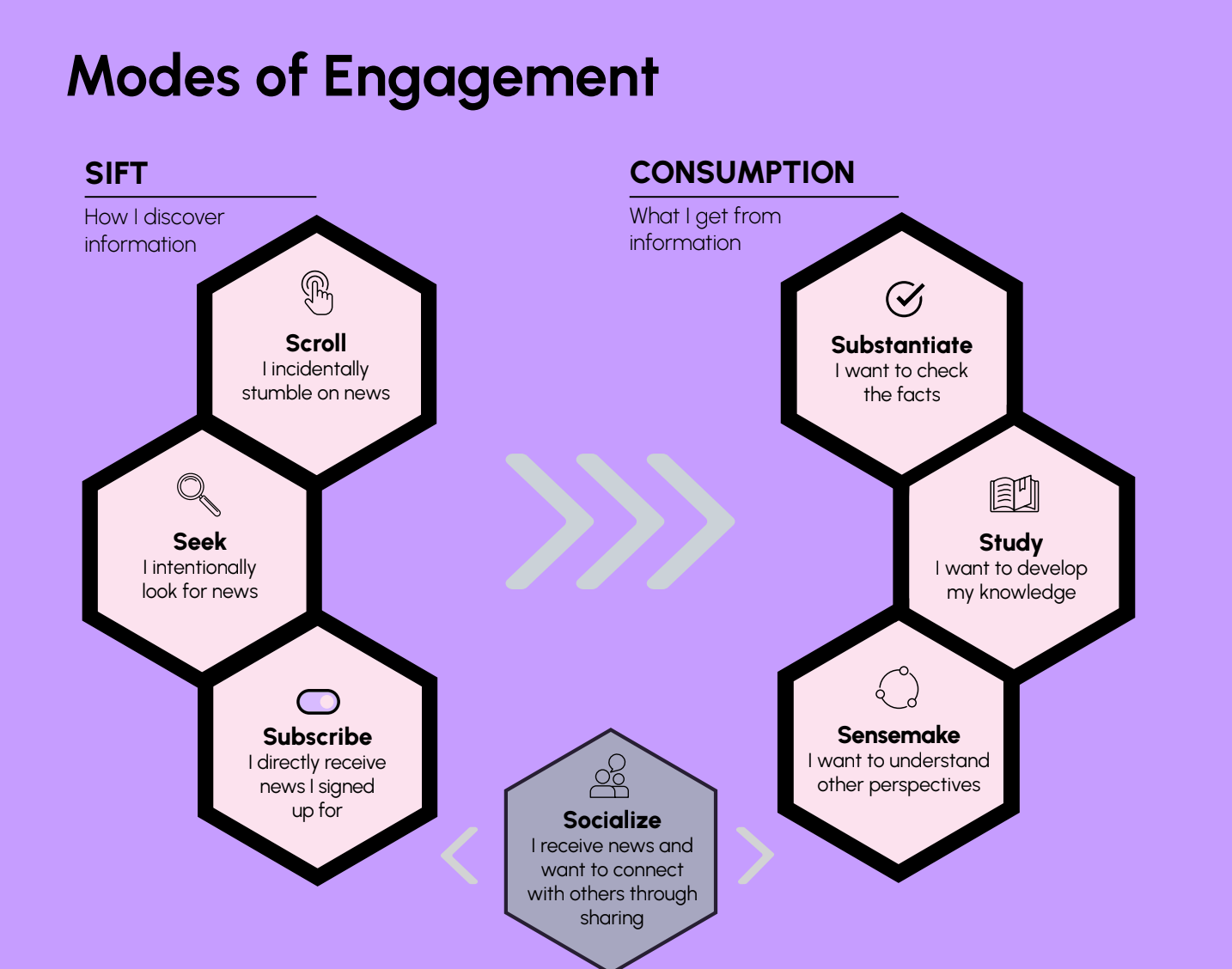
Next-gen news audiences "sift" for information in three modes: they scroll and stumble across news incidentally on their favourite platforms, seek out stories or updates when something piques their interest, or subscribe to trusted sources for direct updates.
Once a story catches their attention, they move into "consumption" modes —substantiating facts to check credibility, studying topics in depth to build understanding, or sensemaking by exploring a range of perspectives.
This journey naturally leads to socialising: sharing, discussing, and debating news with peers becomes both a way to process information and a core part of the news experience itself.
But why is this happening? What's driving these trends?
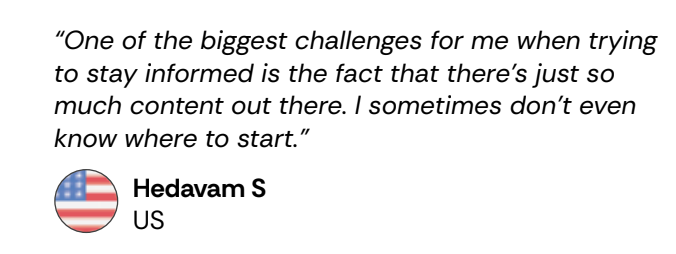
1. Information overload and curation
News is now an infinite stream, not a scarce product. Young people report feeling overwhelmed by the sheer volume and fragmentation of content.
This has led to highly personalised news habits, with audiences curating their own feeds, notifications, and sources to manage the flow and avoid burnout.
2. Trust is personal, not institutional
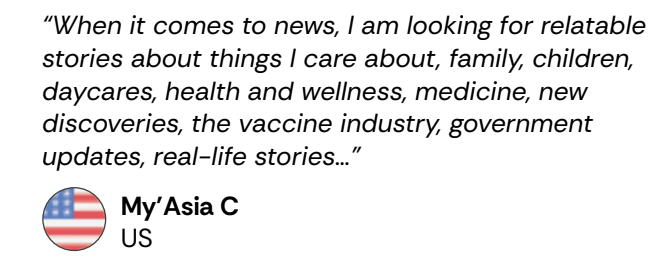
Younger audiences tend to be sceptical because there’s so much information out there. They look for things like transparency, authenticity, and content they can relate to when deciding what to trust. They see the value in established media brands, but that alone isn’t enough to earn their trust.
Audiences want to see the process behind the news, value honesty about uncertainty, and often place more faith in individual journalists or creators than in legacy outlets.
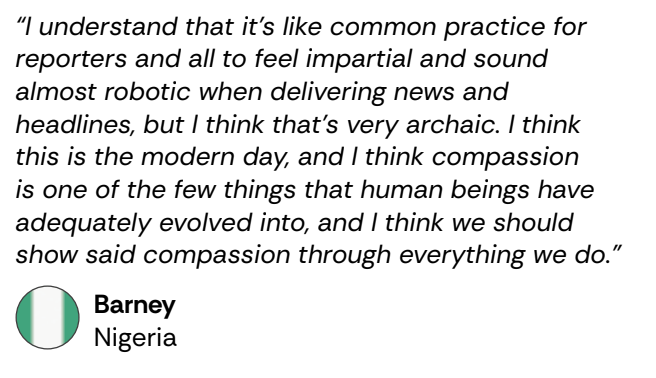
3. Platform-native discovery
The problem isn't that young people don't want news content.
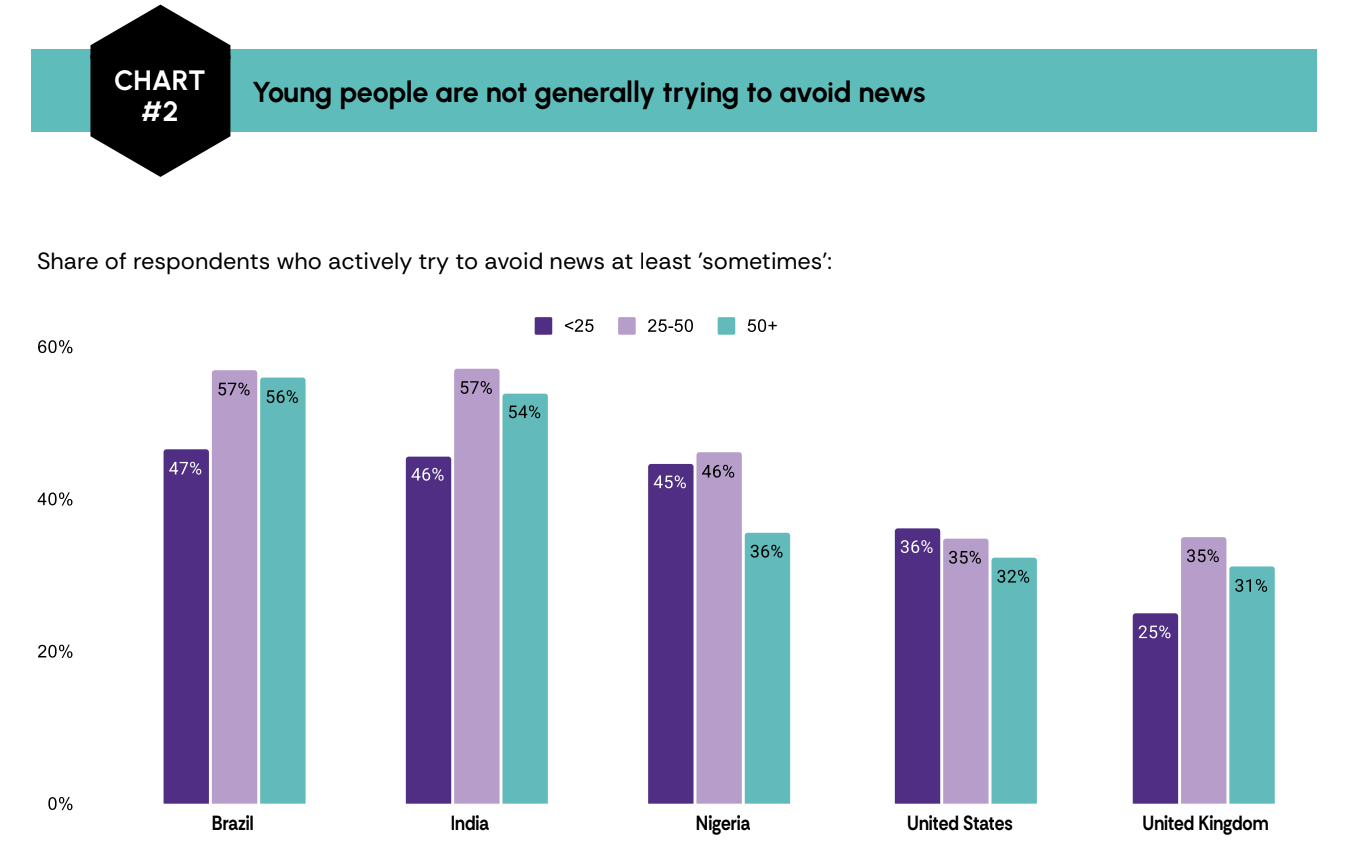
In all five countries studied, more than half of respondents under 25 engage with news at least daily, primarily through feeds and notifications, not by visiting homepages or tuning in to broadcasts. Under 25s are also some of the least likely to avoid the news.
It's that the gateways to news have changed. Social media, chat apps, and video platforms are essential; algorithms and peer sharing determine what surfaces.
4. A broader, more personal definition of news
For next-gen audiences, news is broader than just politics and current affairs. It sits within (or even complements) the wider digital ecosystem. News can be anything with civic, personal, or entertainment value.
How can newsrooms prepare now?
The report offers several practical lessons for newsrooms, editors, and journalists.
In general, young news audiences are highly engaged with news but they are overwhelmed by volume and complexity. There lies an opportunity for news brands.
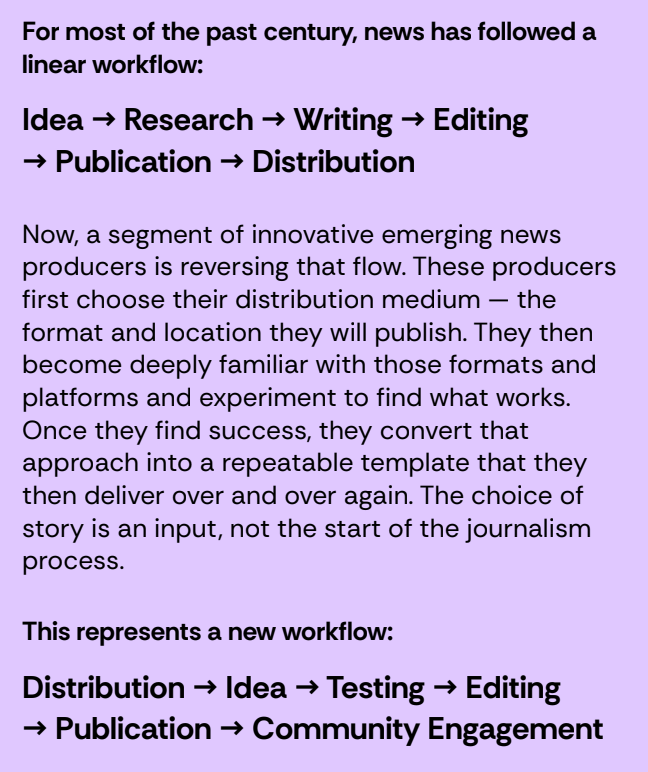
Think distribution-first: News has typically been created with the news item first and the delivery as an afterthought. The 'publish and hope it gets picked up' strategy couldn't be much further from futureproof.
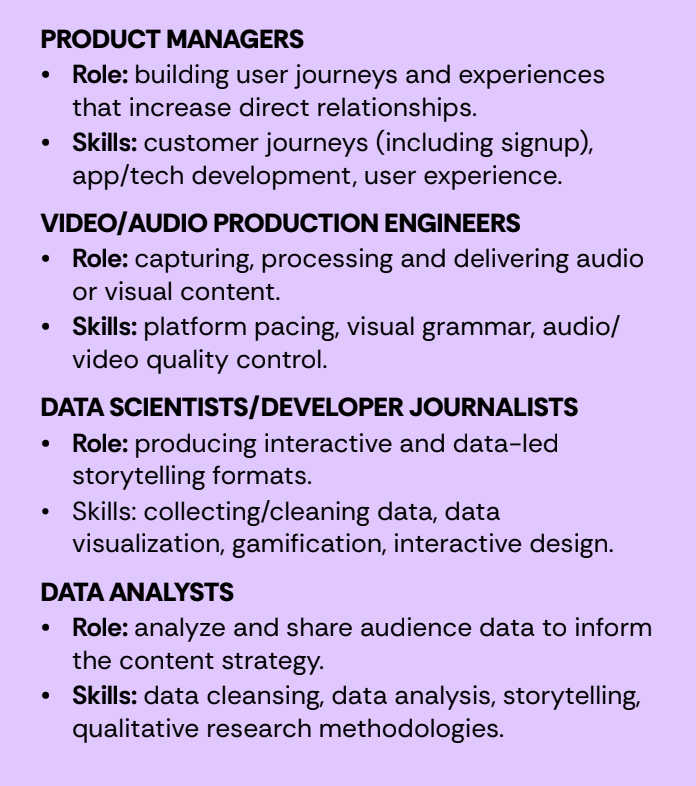
Hire accordingly New workflows demand new goals, new products and, crucially, new skillsets.
Foster community and participation: Make news a two-way conversation, not just something you broadcast. Invite people to share, discuss, and give feedback. Remember, talking about the news, making sense of it together, and sharing it with friends is a big part of how young people experience it.
Keep your eyes on the prize
Socials is where youngsters develop fundamental habits, and it's a good discovery ground for you. But it can't be the long-term play. The goal should remain to bring them back to the safe ground of your own properties, be that your podcast, newsletter, website or news app.
Screenshots taken from the Next Gen News report. Dig into the full report below:
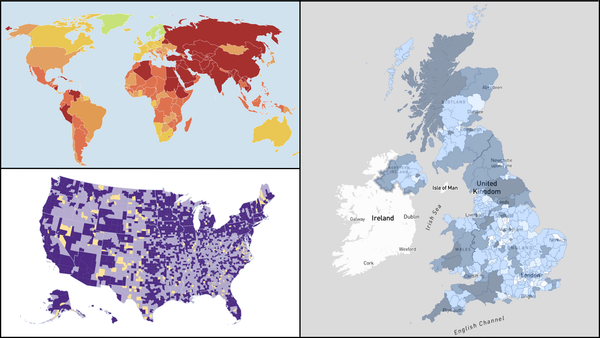
Screenshots of Reporters Without Borders Press Freedom Index (top left), Northwestern Local News Landscape (bottom left) and Public Interest News Foundation Local News Map (right)