'Treat us as people, not a story,' abuse survivors tell news organisations
Interviewees who have experienced sexual abuse ask journalists to remember they're talking to someone in recovery - they need choices, follow-ups and to feel believed
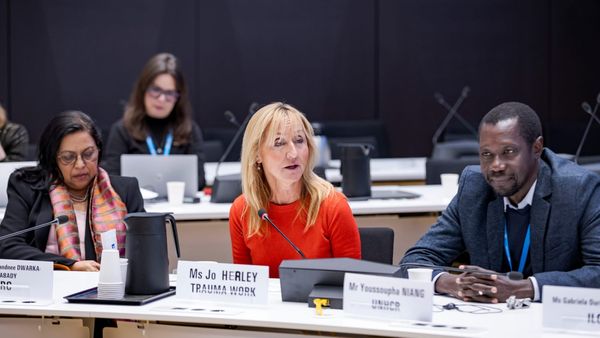
Jo Healey (centre) speaking at a WHO conference in Geneva. Credit: A. Tardy
"I just wanted to be heard," and "I never had a voice as a child," abuse survivors Ally and Lee told our researchers.
They shared their insight in the first in-depth UK research to focus exclusively on sexual abuse survivors' experiences of being interviewed by journalists. It calls for a shift in how news organisations treat them.
High-profile investigations such as Epstein, Weinstein and the Independent Inquiry into Child Sexual Abuse (IICSA) required journalists to interview survivors about deeply traumatic experiences. Beyond these cases, many survivors also choose to share their stories through the media, often after years of silence.
I partnered with clinical psychologists Dr Tugce Koca, Dr Danny Taggart and Dr Emma Facer-Irwin of the University of Essex, to interview 15 sexual abuse survivors. All had previous experience of speaking to journalists. Some of the research findings are troubling.
"Survivors highlighted a number of journalistic practices that mirrored the dynamics of sexual abuse itself, alongside interview approaches that either supported or hindered their healing," Dr Koca explains.
One of the strongest themes to emerge was control. Survivors had no control in the abuse. By failing to give them choice and control in the process of their work, journalists risk their contributors feeling re-abused.
By contrast, the research reveals clear evidence of the benefits of journalists working collaboratively with survivors of sexual abuse.
Screenshot: Reform UK's leader Nigel Farage hosting his show on GB News
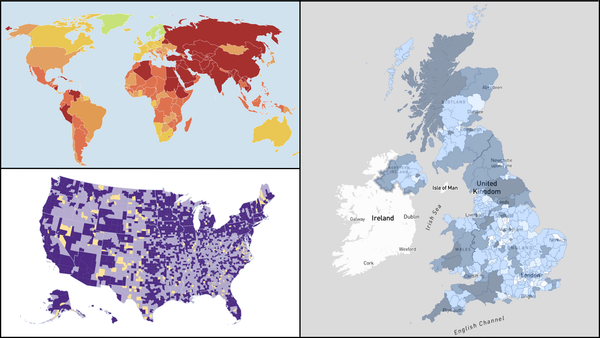
Screenshots of Reporters Without Borders Press Freedom Index (top left), Northwestern Local News Landscape (bottom left) and Public Interest News Foundation Local News Map (right)