How The Bureau of Investigative Journalism tracks impact
Classic investigative journalism can be tracked in four steps. But sometimes impact is not so easily quantifiable

– 4 min read


Classic investigative journalism can be tracked in four steps. But sometimes impact is not so easily quantifiable
Many of us hope that when we press "publish" on our stories, it will cause a stir somewhere. A board director squirming in their chair, a town hall discussion, a follow up guest article. I even gladly take a shout-out on LinkedIn.
The Bureau of Investigative Journalism (TBIJ) has long been recognised for its rigorous approach to tracking the impact of its investigations. But as the newsroom’s work evolves, so too does its understanding of what "impact" really means. It's not just about policy change and page views, but also the overlooked things like transparency, collaboration, and source recognition.
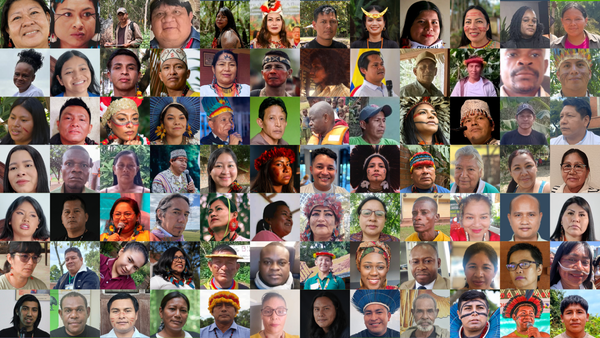
Over time, TBIJ has refined a workflow for tracking impact, according to impact producer Grace Murray, who just finished up an investigation about indigenous voices that feel their governments are failing to protect them, resulting in a range of health and climate issues.

Murray said the workflow has become more nuanced over time, with impacts categorised in a gold, silver, or bronze tiering system, and tracked across political, business, and community domains. For example, this could be:
Media amplification – through co-publishing, press releases, and outreach to relevant publications – is a core part of TBIJ's model and sits within this framework.
Community organiser Lucy Brisbane McKay says this work is governed by a mix of formal and informal arrangements.
Formal publishing partnerships require a memorandum of understanding (MOU, a non-binding agreement to pursue a partnership), outlining expectations, editorial independence, and the logistics of joint publication. Some partners, such as BBC News, may conduct their own independent, concurrent reporting.
On a less formal level, some media outlets co-publish investigations to reach a wider or more targeted audience under a set of guidelines and requirements, which ultimately aims to maximise reach while maintaining editorial standards.
Analytics from co-publishers are generally managed by The Bureau’s audience team, with partners asked to report back on audience and response. This data, while sometimes less granular than internal analytics, still feeds into an understanding of how stories travel and influence.
But not all impact is so easily quantified. McKay highlighted the value of "how we did it" articles, which take readers behind the scenes of major investigations. She did this recently for an investigation into injustices within employment tribunals.
'Behind the scenes' content serves a broader role to meet user needs, as audience surveys and interviews reveal a strong demand for lifting the lid on the investigative process. But there is a secondary impact-driven benefit here, too.

"The impact we have as journalists is never on our own. Everything we do is about partnerships, collaboration, and uplifting important voices."
When lawyers, campaigners, and sector experts are credited in these behind-the-scenes pieces, they are empowered to share and amplify the work – broadening the story’s reach and reinforcing the idea of shared responsibility for taking findings forward.
"The charity sector comms people are often the backbone of journalism and should be viewed as collaborators and experts, not just sources," says McKay, who used to work in this field prior to The Bureau.
"If people are invested in your journalism and feel it reflects the issues they’re working on, they’re more likely to value it and take the findings forward in their own work."
This article was drafted with the help of an AI assistant before it was edited by a human