Journalism career breaks: When, how and why to take one
Four journalists open up about the need to take a pause from the day job to reflect, upskill and chart a new path forward

– 8 min read


Four journalists open up about the need to take a pause from the day job to reflect, upskill and chart a new path forward
A lot of journalists spend years in a competitive industry and then one day hit a wall: whether it's a development plateau, an urge to try something new, or exhaustion.
It can be helpful to press pause and take stock of our fundamental values, long-term ambitions, mental health and career opportunities.
That is easier said than done. Taking a career break comes with the obvious requirement of a safety net, which many do not have. But if you can afford to take a few months out from the relentless grind, how should you prepare? What should you spend your time doing? And when to go back on the hamster wheel?
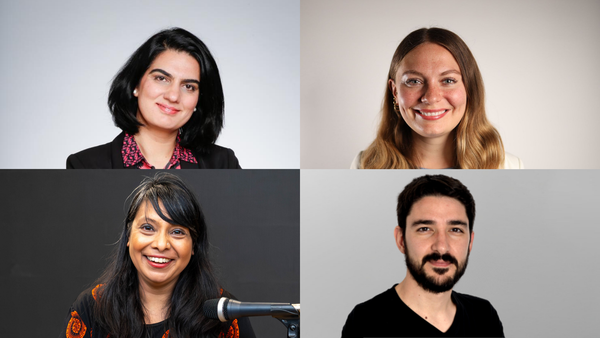
JournalismUK asked four journalists and media professionals with firsthand experience.
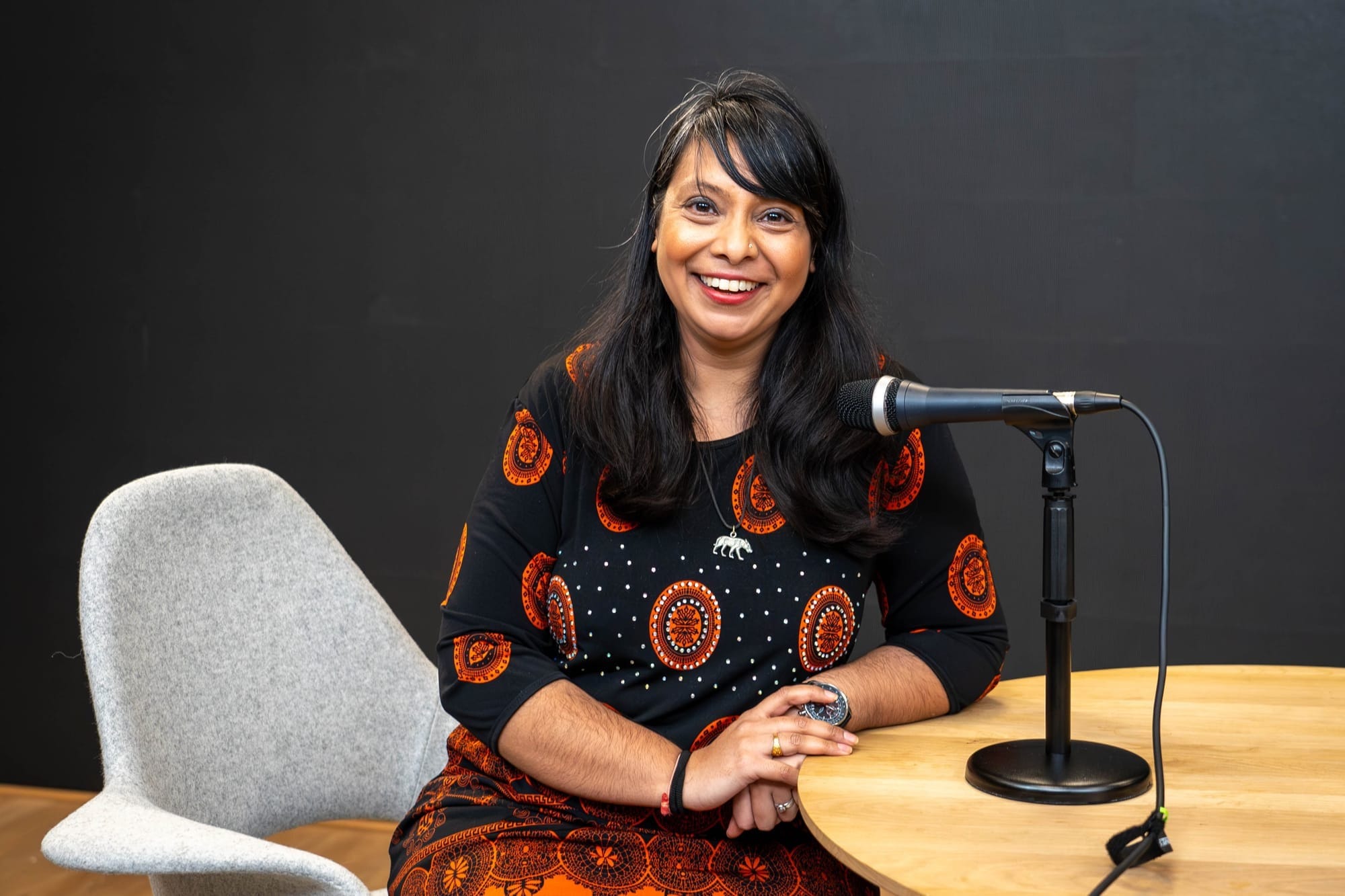
After nearly 14 years as a BBC journalist, Dhruti Shah has become a master of reinvention, taking career breaks both by choice and necessity, and usually in response to becoming worn down by the industry.
Her first "break" came after university, when she travelled and rediscovered her love for journalism by connecting with people and their stories outside the competitive newsroom environment.
“One of my biggest takeaways is that it’s good to take career breaks early because then you get used to doing it later on in your life," she says, admitting that career breaks require an amount of privilege and immediate support.
But without the commitments that can come later in life – children, mortgage payments, care responsibilities – she says younger journalists should be open to taking breaks when they need to, if support is available. She reasons that, besides the obvious financial barrier to career breaks, industry competitiveness is a close-second inhibitor.
In Shah's case, taking pauses has been essential to remaining connected with her identity and not getting caught up in the "imposed identity" of a journalist.
Being a woman of colour, neurodivergent, and a lifelong follower of Jainism (an Indian religion revolving around peace and non-violence) puts her firmly on the minority side of the industry. It's a contributing factor to the burnout she's experienced as a journalist.
Taking career breaks has enabled her to pursue non-journalistic opportunities like the Rotary Peace Fellowship in Thailand in 2017, a rare academic opportunity that kept her rooted to her fundamental values.
Each break that followed – a five-month pause from 2021-22, and an ongoing break right now – provided moments to reflect, upskill and explore new facets of her identity.
Shah cautions that modern AI-driven recruitment systems are designed to look for straightforward, conventional narratives and may filter out candidates – like herself – who don’t fit the expected mould.
Despite this, Dhruti credits her breaks with giving her the confidence to try new avenues, from writing an award-winning book to launching a podcast and training as a coach. She’s learned to "hold her nerve" and to craft a nuanced narrative that weaves together her diverse experiences.