DPP publishes interim guidance on journalist prosecutions
Director of Public Prosecutions releases interim guidance to highlight considerations to be made when deciding whether to prosecute journalists
– 3 min read


Director of Public Prosecutions releases interim guidance to highlight considerations to be made when deciding whether to prosecute journalists
This article was migrated from an old version of our website in 2025. As a result, it might have some low-quality images or non-functioning links - if there's any issues you'd like to see fixed, get in touch with us at info@journalism.co.uk.
The Director of Public Prosecutions (DPP) has published interim guidelines on what prosecutors should consider when making decisions relating to the media and when considering the possible public interest.
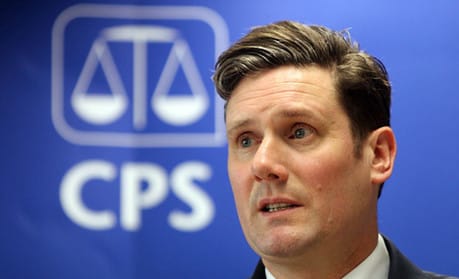
DPP Keir Starmer QC told the Leveson inquiry in February that he would be issuing the new guidelines as the Crown Prosecution Service did not have a policy just relating to journalists and the public interest defence.
The guidelines, which are now open to consultation , say "they are designed to give clear advice to prosecutors who have been asked either for a charging decision or for early advice to the police or other investigators in these sensitive and difficult cases".
"These guidelines are likely to be relevant when prosecutors are considering whether to charge journalists with criminal offences that may have been committed in the course of their work as journalists. They are also likely to be relevant when prosecutors are considering whether to charge others whose interaction with journalists may have involved the commission of a criminal".
Advice includes what prosecutors need to establish from the start, such as whether there was a right to receive and impart the information and then additionally whether prosecution itself would be in the public interest.
The guidance also outlines five examples of "conduct which is capable of serving the public interest", including the disclosure of a criminal offence or that there has been a miscarriage of justice.
The examples are listed below, taken from the guidelines published today:
Prosecutors are also told in the guidelines to look at "the overall criminality" and "harm caused", with the guidelines outlining a number of considerations:
Public consultation on the guidelines, and specific questions relating to them, will run until 10 July.
The guidelines also highlight the "criminal offences most likely to be committed in cases affecting the media", which include: