This article was migrated from an old version of our website in 2025. As a result, it might have some low-quality images or non-functioning links - if there's any issues you'd like to see fixed, get in touch with us at info@journalism.co.uk.
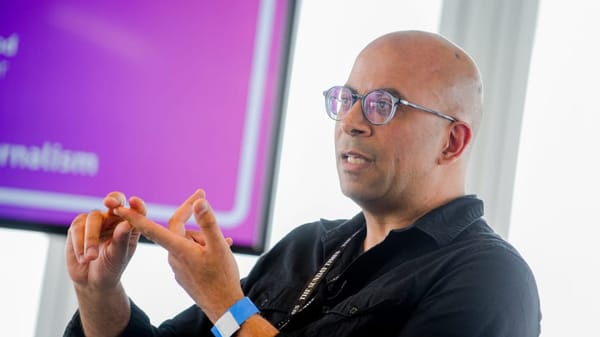
There used to be something here that couldn't be migrated - please contact us at info@journalism.co.uk if you'd like to see this updated! Max Hill
QC, the chair of the Criminal Bar Association, has said that
comments made by Stephen Parkinson in today’s Daily Telegraph were
questioning the timing of the Leveson Inquiry rather than the evidence-giving
process.
Writing in the Telegraph today Parkinson, who is Rebekah
Brooks' legal representative, said: "While those under police
investigation have been permitted to maintain their silence on
issues central to that process others have been questioned with few
restrictions. As a result, much prejudicial material has come into
the public domain."
Parkinson made his remarks in the Telegraph after Deputy
Assistant Commissioner Sue Akers of the Metropolitan Policecommented that there was a "culture of illegal payments" at the
Sun newspaper. Attorney general Dominic Grieve is now examining Akers' remarks.
In an interview with BBC Radio 4 this morning on the Today
programme Hill said that future criminal investigations
against journalists are not threatened by Akers' comments.
"What Stephen Parkinson’s talking about is if there's a tidal
wave of adverse publicity, will that have been forgotten by the
time any trial - and we don’t know whether there will be one -
comes about?"
Hill mentioned that the courts would assess whether there is a
"substantial risk of serious prejudice to the proceedings" created
as the result of publishing any material."
That is a risk at the time of those proceedings," he said. "So
in other words the court will assess it when and if the individual
comes for trial."
Defending the Leveson inquiry’s hearings of evidence, Hill
added: "Lord Justice Leveson has said, look, he needs to understand
the factual matrix that he’s dealing with in order to assess the
evidence that he heard before Christmas.
"But openness and frankness of course are the hallmarks of any
court proceedings."