Media in Burma still face repression and fear in election build-up, says BBC editor
Corporation's Burma desk editor Soe Win Than says reporting from country is often 'impossible'
– 2 min read


Corporation's Burma desk editor Soe Win Than says reporting from country is often 'impossible'
This article was migrated from an old version of our website in 2025. As a result, it might have some low-quality images or non-functioning links - if there's any issues you'd like to see fixed, get in touch with us at info@journalism.co.uk.
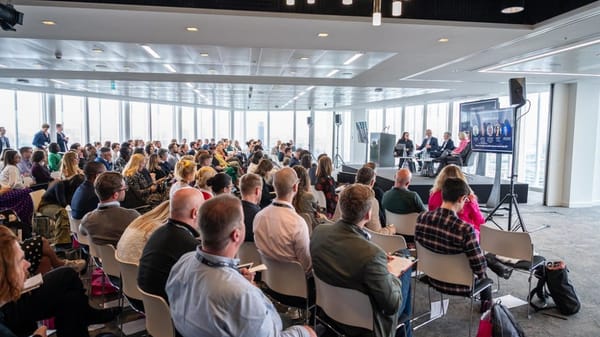
Reporting in Burma is 'at the best of times very difficult, at the worst impossible', the BBC's Burma desk editor told a packed crowd at the launch of the 2010 Orwell Prize last night.
State repression of the media and the 'atmosphere of fear' surrounding the Burmese people makes balanced reporting almost unworkable, Soe Win Than said as part of a debate on the future of Burma.
Earlier in the evening, Andrew Mitchell MP, shadow secretary of state for international development, described the BBC World Service as 'massively important' to the Burmese people as the ruling military junta doesn't have the technology to block its transmission.
But Than, who worked for seven years as a journalist for Burma's Ministry of Information, stressed that just being able to transmit is not enough.
"They [the Burmese junta] discourage and threaten people not to listen to foreign radio stations," he said.
"This makes it very difficult to talk to people in Burma, not just government officials, but to normal people, even over non-controversial subjects."
The advancement of technology, the internet and blogging has helped, according to Than, as seen during the anti-government protests in 2007 .
But those brave enough to use new media still face a government crackdown, he added.
"What was encouraging was the citizen journalists who risked everything to get information out of Burma, but many key sources are now in jail," he said.
The junta's 'propaganda machine' is another force working against journalists, as state newspapers 'accuse the foreign press of being biased' and 'slandering them', said Than.
"They set up radio stations with rock and pop music interspersed with anti-foreign news propaganda," he said.
Than said he believes there will be 'more control and propaganda' in the run up to next year's mooted general election.
Pascal Khoo Thwe, a Burmese activist and author also taking part in the discussion said: "The election is likely to be at the time around the [football] World Cup when the camera is pointing the other side, because the government has no confidence."
The panel discussion followed the announcement of the judges for the Orwell Prize for authors, journalists and bloggers, which will this year include the winner of last year's blog prize Richard Horton or 'Jack Night'.