Media journalists' top stories of the year – and what it means for you in 2026
What opportunities emerged for small media? How did publishers try to convince young audiences to pay for news? How was audience engagement redefined? And how did AI reshape the landscape? These questions and more tackled by those covering media innovation
2025 has been a big year in the media – and we're not the only ones in the thick of trying to make sense of it all. We asked fellow top brains and experts on what's stood out in their coverage this year and what lessons news professionals can take into 2026.
Consider signing up to JournalismUK's new-and-improved newsletter if you want a daily dose of expert industry knowledge in 2026
Sign up for Journalism UK
Inspiring newsrooms, empowering journalists
No spam. Unsubscribe anytime.
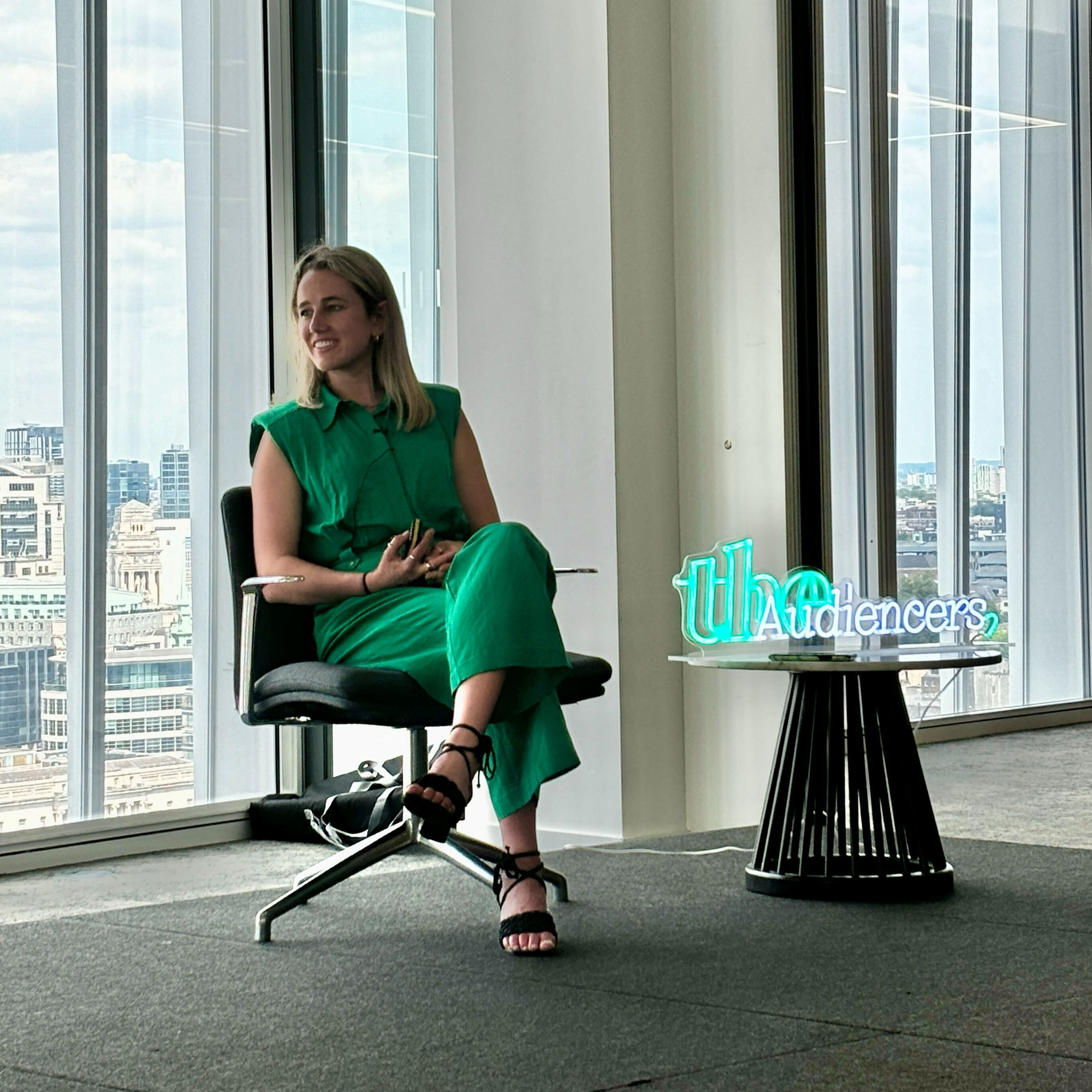
Madeleine White, The Audiencers: 'Value trumped volume'
What this says about digital journalism heading into 2026:
There's an essential shift needed in journalism from volume to value. Instead of a relationship with audiences that's driven by the search for growth, the relationship should be about purposeful engagement, with a focus on outcomes & long-term impact.
Concretely, this means redefining "how we've always done things". In particular, reimagining the traditional marketing funnel:
Put your most valuable audiences first: Use this information to inform the rest of the funnel and create acquisition strategies that work to find more of them.
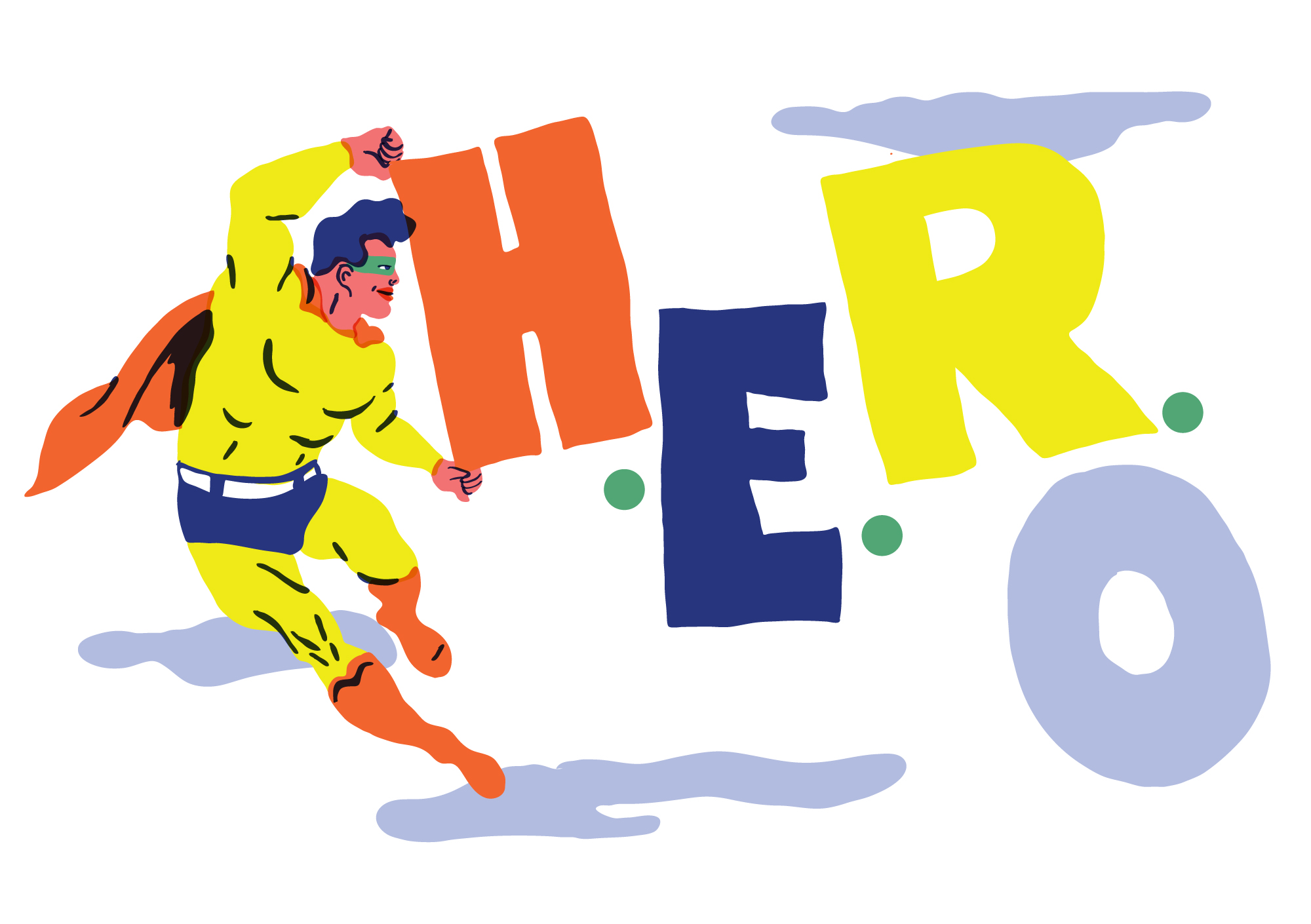
Build out the happy middle: using the HERO (habits, engagement, relationships, ownership) model
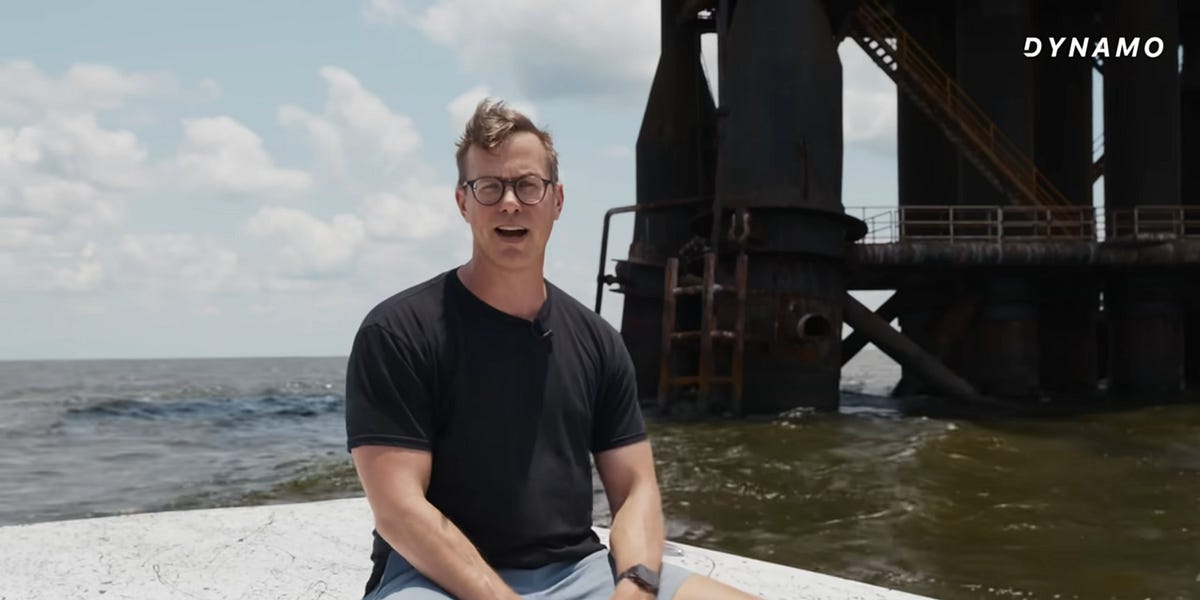
Rather than hosting content on its own website, Dynamo is 100 per cent focused on creating high-quality, evergreen video content that's distributed on platforms like YouTube, Linkedin, Instagram, and TikTok.
What this says about digital journalism heading into 2026:
1. The major tech platforms are becoming less and less interested in sending traffic to publisher websites. While some publishers have responded by doubling down on their own websites, outlets like Dynamo have adopted the if-you-can't-beat-them-join-them approach of distributing content natively on the platforms. Its longterm bet is that the increased reach will more than make up for the fact that these outlets are at the complete mercy of platform algorithms over which they have no control.
2. Carlson only raised $3.5 million for the startup and is obsessed with the unit economics of each piece of content. Gone are the ZIRP (zero interest-rate policy) days when publishers could just burn through mountains of VC cash to fund their expansion. Outlets today need to make sure every piece of content is profitable.
3. Carlson isn't bothering with day-to-day news coverage and is instead only investing in evergreen videos. Publishers still waste way too many resources covering the exact same news that every other outlet is covering, and this means most of their content becomes worthless within hours of publication.
One space I'll be watching next year:
I'm usually an optimist when it comes to media, but unfortunately I have a lot of anxiety about a coming recession, especially if the AI bubble pops soon.
Media is the least recession-proof industry in existence, and as a struggling media entrepreneur myself I'm worried that my business will get even harder than it already is.
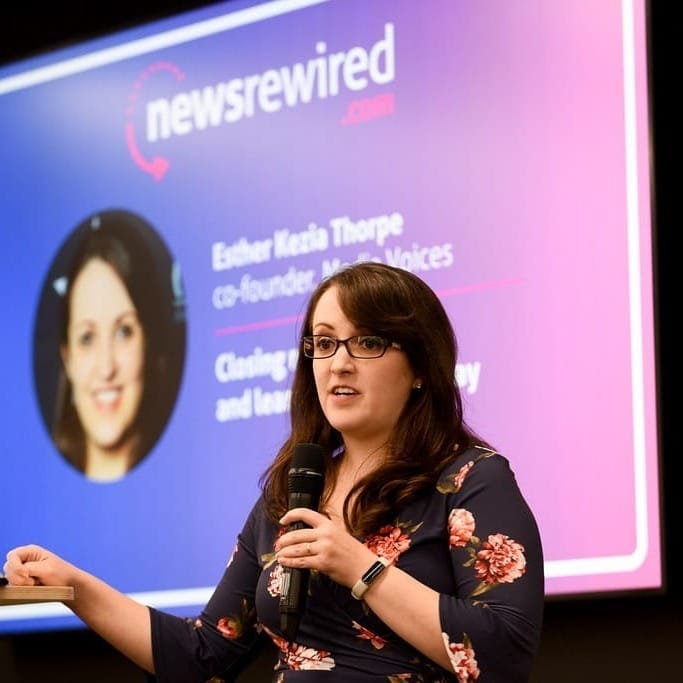
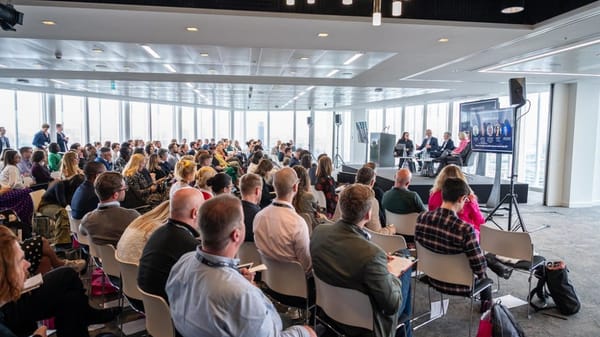
Esther Kezia Thorpe speaking at Newsrewired on 15 November 2023. Credit: Marten Publishing / Mark Hakansson
My favourite piece from 2025:
When I caught up with Liesbeth Nizet, head of future audiences monetisation at Mediahuis at FIPP Congress to talk about her work with engaging younger audiences – available both in podcast and write-up form.
What this says about digital journalism heading into 2026:
All eyes are on AI at the moment, whether that be the very real impact of Google AI overviews or wrestling with AI's place in journalism in the future. But Liesbeth's role is focused on answering questions that I think aren't a priority (but should be) for many publishers: how to connect with the next generation of readers.
This isn't a pure audience growth strategy either; revenue generation is as important a part of her job as engagement. Younger audiences will pay for games, entertainment and travel, from the latest Fortnite skin to an Instagrammable holiday.
"So how can we make our news so interesting, or so relevant, or so representative for them that they want to pay for it?” she said in this podcast. I loved her honesty but also her optimism that this is a challenge which can be solved if publishers think outside the box and actually involve younger demographics in the newsroom.
One space I'll be watching next year:
Trust is going to be huge around AI-generated and AI-enhanced content.
Publishers need to be brutally transparent where it sits as part of a workflow, and lean into the 'human-created' label as a differentiator. I can see more outlets getting skewered for not being open with the extent to which AI has been used, and distrust growing among audiences. This will become particularly acute as awareness percolates among the general population – we only need a big scandal or two before this becomes a full-blown crisis (or opportunity).
Bron Maher, A Media Operator: 'Niche and B2B media thrived'
What this says about digital journalism heading into 2026:
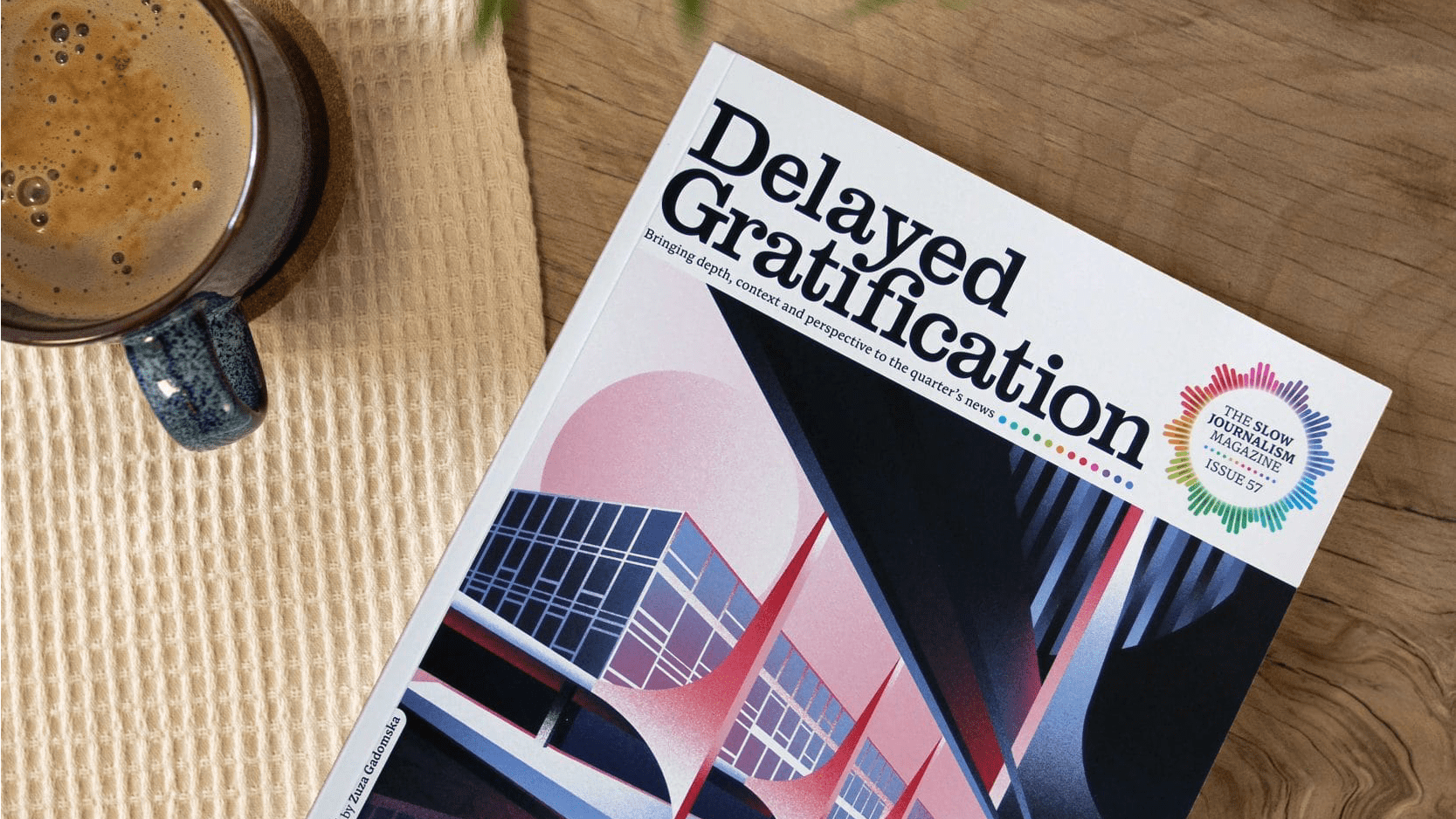
Delayed Gratification is 15 years old. It has 8,000 paying subscribers, six staff – most of whom have been there from the start – and it makes enough to continue chugging along, paying the team and investing back into the product. It doesn't make big profits, but the staff get to keep putting out a magazine they love making, and the readers get to keep reading it.
Big corporate media isn’t over (see my next answer) but I think in the long run, Substackification is going to create a lot more things that look like Delayed Gratification.
As the big old media disintegrates, a lot of journalists have become used to the sense that most jobs can only ever be a temporary posting until the next redundancy round. But sustainability is possible at a smaller scale. Not easy, sure, but possible. Though the big money might have gone out of it, there’s a future opening up in which, so long as you can find a dedicated core of readers who appreciate your work, you may just be able to keep doing what you love forever.
One space I'll be watching next year:
While the big money has gone out of consumer media, it hasn’t gone out of the media altogether. The conferences I’ve attended routinely feature investment bankers and private equity people hobnobbing looking for their next acquisition. Of a media company! Can you imagine! (Not the corporate raider kind of private equity people, either; the kind who want to exit in five years selling the business for four times more than they bought it.)
These B2B media companies don’t look the same as they used to: they've swapped controlled circulation trade journals for proprietary data platforms, member communities and conferences, which are both lucrative and defensible against AI.
It leaves the journalist’s role a little uncertain, because most of us don’t get into the business to write up event panels or harvest information on organisational size and turnover. But for now at least, these companies do still need us: news is their best audience acquisition strategy.
So my space to watch is your LinkedIn jobs page - the number of B2B listings there might just be set to grow.
Charlotte Tobitt, Press Gazette: 'Fake experts were exposed'
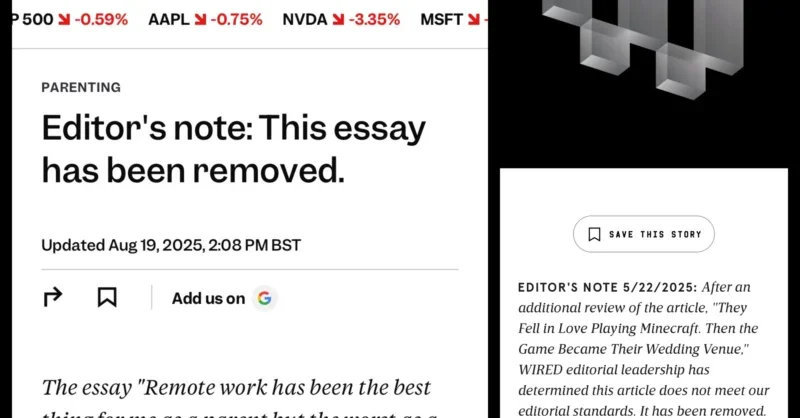
It’s one part of the 'reality wars' strand we've published multiple stories about on Press Gazette since April. Rob Waugh, in particular, has found hundreds of examples of seemingly fake experts getting their ‘expertise’ published in major UK news outlets - all to boost the SEO of some really random businesses.
What this says about digital journalism heading into 2026:
It raises concerns that time-pressed newsdesks are waving through press releases that wouldn’t pass a serious sniff test – because of the volume of content they’re expected to put out every day. Ditto commissioning editors dealing with freelance journalists.
In the age of AI, we’ve got to be more careful than ever about the veracity of information we're putting out, because trust lost is hard to regain. Next
One space I'll be watching next year:
I’ll be closely watching publisher traffic as it continues to decrease for many major brands: they've talked the talk on the need to monetise a smaller, but engaged, audience – can they walk the walk?
Anton Protsiuk, The Fix Media: 'Conflict fast-tracked media innovation'
What this says about digital journalism heading into 2026:
Although media consumption in Ukraine is distinct, it's also a canary in the coal mine for the global landscape.
The war has accelerated global trends – the shift from TV to social platforms happens fast when you have to use Telegram to track rockets and drones flying over your head.
One space I'll be watching next year:
How AI is demolishing language barriers. In countries outside the English-speaking world, language has always been a barrier for media looking to scale. AI-powered translation of text, podcasts and videos is getting so good that there’s a lot of opportunity for smart publishers to grow by expanding coverage in other languages.
I loved working on my piece about building and keeping an audience for a journalism project because, as a freelancer, it surfaced practical lessons that are often hard to pick up outside a newsroom – but increasingly important. Even if you're not building a formal media brand, your byline, beat and body of work can become recognisable over time. They can function as a project in their own right, spread across outlets.
Thinking strategically about engaging and growing a following interested in your reporting – through a newsletter, podcast or social media channels, for instance – is far more effective at supporting both journalistic impact and career sustainability. It may not feel like "audience strategy," especially when you're running it on your own, but it's fundamentally different from self-promotion.
What this says about digital journalism heading into 2026:
Audience engagement is no longer just a distribution problem, but a core part of sustainability and impact. But we already knew that. What struck me most is how much of this work is actually about trade-offs.
Deliberately limiting platforms to avoid burnout, prioritising retention over constant growth and investing in relationship-building that doesn't immediately show up in metrics are essential choices, especially for projects operating with limited resources.
The story also challenges the persistent myth that quality reporting alone guarantees reach. Instead, it shows that audience strategy is an editorial discipline: understanding when people consume news, what formats fit their lives and how engagement can shape coverage itself, not as an add-on, but as part of the reporting process.
One space I'll be watching next year:
I'll be watching how freelancers build and shift their own channels, particularly as the pivot to vertical video follows the earlier pivot to newsletters. I'm interested in seeing what actually works – and under what conditions – as journalists try to balance visibility, monetisation and sustainability, while also setting clearer boundaries around constant platform presence. We urgently need more viable business models for freelance journalism, and I hope in 2026 more of those paths may finally become clearer.
Alan Hunter, Tomorrow's Publisher: 'Journalism rediscovered its roots'
My favourite piece from 2025:
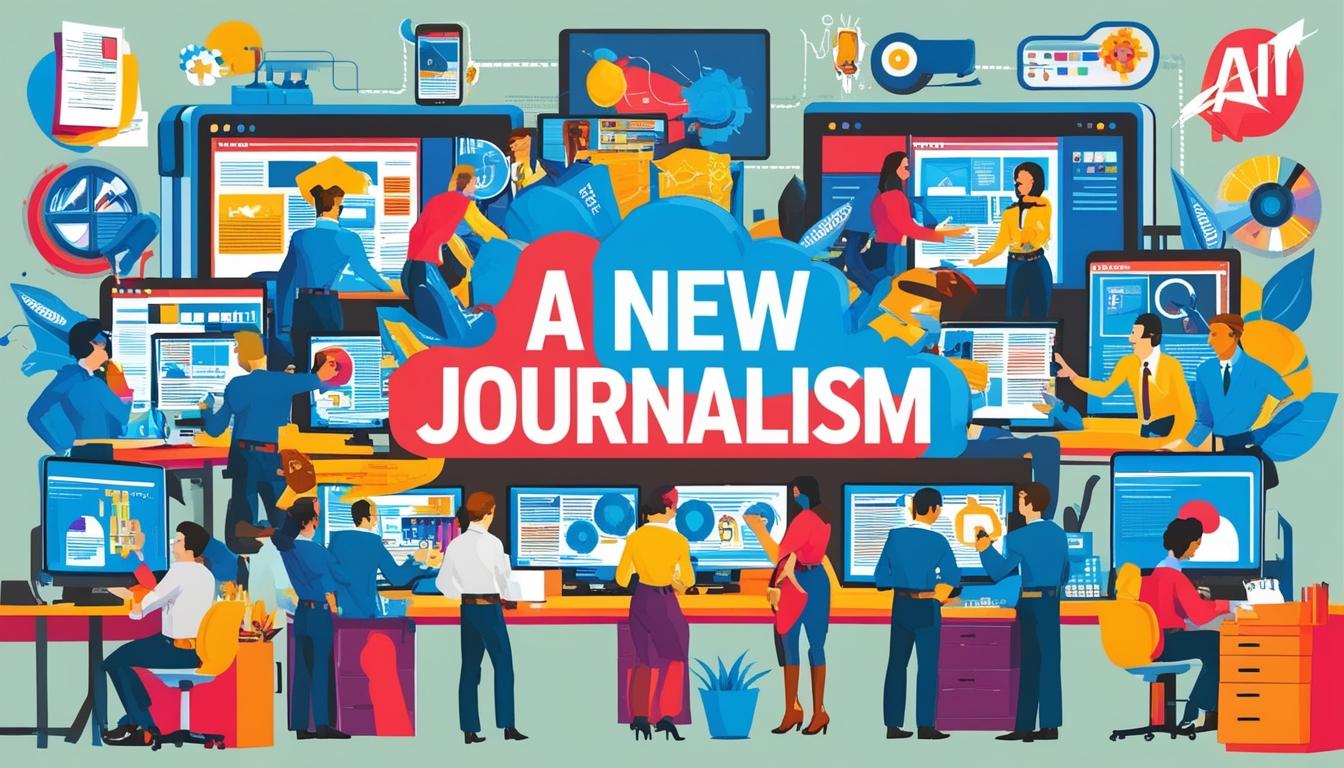
My article entitled A New Journalism. It had been gestating for a long time. My thesis was that the means of delivering news and the business model behind it had changed radically in the past few decades, but that the practice of journalism itself was fundamentally the same as it was nearly 50 years ago when Tom Wolfe wrote about The New Journalism.
I argued that journalism should be obsessive about being truly responsive to its users' needs, that it should embrace fully new technologies and, specifically, a data-informed approach, and that it should not hide behind outmoded ideas of "church and state" and recognise that it was part of a business.
What this says about digital journalism heading into 2026:
A year on, as we approach 2026, this is even more vital as the business model has become even further disrupted. Within a year the practice of producing journalism "for SEO" or "to drive traffic" has become remarkably diminished. Newsrooms need to centre their journalism on what their readers' value, not on how to game an algorithm. I'm hopeful that the incentive is now there for them to make that shift.
One space I'll be watching next year:
Agents. Such is the pace of change relating to AI that one could be forgiven for putting one's fingers in one's ears and chanting "la la la" when the next big thing comes along. But agents have the potential to revolutionise how we source, produce and distribute our journalism.
Charlotte Henry, The Addition: 'Demand for women's sport soared'
My favourite piece from 2025:
It has been a pretty hectic year in the parts of the media sector I cover – namely streaming and sports media. My favourite story has to be reporting on the growing numbers of people tuning into watch the Lionesses, as they went on to win Euro 2025, and the growth of women’s sports coverage more generally. This includes excitement around things like the WNBA in the US.
With Euro 2025, the viewing figures grew and grew as the England team progressed through the tournament. It was amazing to see. Over 10 million people watched the semi-final against Italy on ITV. More that 12 million watched the final against Spain across all BBC platforms. Extraordinary numbers that I never thought I would see. This success also had a knock-on effect as both the women’s cricket and rugby world cups got attention later in the summer and the autumn, with the latter also smashing viewing records on the BBC.
What this says about digital journalism heading into 2026:
Digital journalism platforms need to take their coverage of women’s sports seriously. Now. While we have seen a bit of a drop in viewship of the Women’s Super League, the audience is clearly there, especially online and on social platforms, and needs to be provided for. If you’re not doing this kind of work, you will miss out. As The Athletic’s women’s football writer Megan Feringa told me back in June for a piece for Digital Content Next: "If anyone is looking at the summer and hasn’t already assembled at least a one-person team, but ideally, more than that, I think they’re going to get to mid-July and think, oh shoot, we are so late on this."
One space I'll be watching next year:
The line between journalists and content creators is blurring. We're seeing this throughout digital media, and that trend is likely to continue in the 12 months to come. In sport, we’ve seen creators like Mark Goldbridge buying the rights to Germany’s Bundesliga. In news, people (including me!) are using platforms like Substack, TikTok and Instagram to get their stories out.
It's all about "meeting the audience where they are". However, in 2026 journalists and outlets of all kinds are going to have to consider whether or not they are giving too much to platforms and giving up building a direct connection with their audience. I’ll certainly be keeping an eye on how this develops.
John Rahim, Media Stack: 'AI forced publishers to prove human value'
The key revelation: FT Strategies now runs AI vulnerability assessments on acquisition targets, mapping which revenue streams can be automated away. "If your content can be easily reconstructed from public information, you're in trouble," Whiteley told me. This isn't theoretical - it's affecting deal prices now.
She introduced the concept of "human slop" - formulaic reporting that AI replicates easily - which forces publishers to elevate the unique voices and authority that machines can't match. Her assessment was blunt: the experimentation phase is over. Adapt fundamentally or decline.
What this says about digital journalism heading into 2026:
Publishers vulnerable to AI disruption will find it harder to survive. If your newsroom isn't using AI intelligently, you're already less competitive and worth less as an asset. AI should optimise content creation processes - research, tagging, distribution, AI-powered paywalls - but never create the content itself. Your personal voice and authenticity should never be replaced. The real value publishers bring is unique content that can't be replicated: strong opinion, expert analysis, distinctive voices.
Success in 2026 means trial and error with AI to improve efficiency and operations. The benefits are enormous - faster workflows, better audience targeting, smarter monetisation - but you need to draw a clear line. Don't lose what makes you unique. Use AI as a tool to amplify your strengths, not replace them.
One space I'll be watching next year:
GenAI optimisation (GEO) replacing SEO as the primary discovery mechanism. Publishers will need to optimise for LLMs as well as Google. Also in 2026, users will interact with Google Gemini 3 differently than legacy search - optimise for what's coming, not what worked before. This means longer-form, FAQ-rich content that AI can parse and cite. But this cuts both ways: AI browsers and chatbots are as much threat as opportunity. The zero-click problem gets worse before it gets better, and nobody's cracked monetisation in an AI-mediated discovery world yet.