Media journalists' top stories of the year – and what it means for you in 2026
What opportunities emerged for small media? How did publishers try to convince young audiences to pay for news? How was audience engagement redefined? And how did AI reshape the landscape? These questions and more tackled by those covering media innovation
2025 has been a big year in the media – and we're not the only ones in the thick of trying to make sense of it all. We asked fellow top brains and experts on what's stood out in their coverage this year and what lessons news professionals can take into 2026.
Madeleine White, The Audiencers: 'Value trumped volume'
What this says about digital journalism heading into 2026:
There's an essential shift needed in journalism from volume to value. Instead of a relationship with audiences that's driven by the search for growth, the relationship should be about purposeful engagement, with a focus on outcomes & long-term impact.
Concretely, this means redefining "how we've always done things". In particular, reimagining the traditional marketing funnel:
Put your most valuable audiences first: Use this information to inform the rest of the funnel and create acquisition strategies that work to find more of them.
Build out the happy middle: using the HERO (habits, engagement, relationships, ownership) model
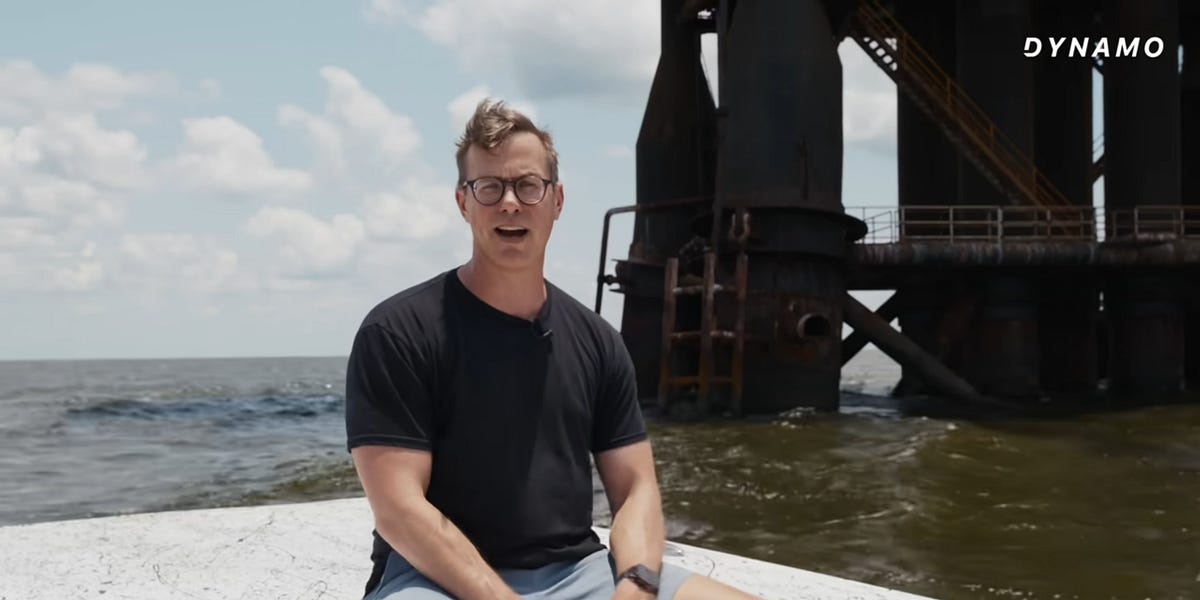
Rather than hosting content on its own website, Dynamo is 100 per cent focused on creating high-quality, evergreen video content that's distributed on platforms like YouTube, Linkedin, Instagram, and TikTok.
What this says about digital journalism heading into 2026:
1. The major tech platforms are becoming less and less interested in sending traffic to publisher websites. While some publishers have responded by doubling down on their own websites, outlets like Dynamo have adopted the if-you-can't-beat-them-join-them approach of distributing content natively on the platforms. Its longterm bet is that the increased reach will more than make up for the fact that these outlets are at the complete mercy of platform algorithms over which they have no control.
2. Carlson only raised $3.5 million for the startup and is obsessed with the unit economics of each piece of content. Gone are the ZIRP (zero interest-rate policy) days when publishers could just burn through mountains of VC cash to fund their expansion. Outlets today need to make sure every piece of content is profitable.
3. Carlson isn't bothering with day-to-day news coverage and is instead only investing in evergreen videos. Publishers still waste way too many resources covering the exact same news that every other outlet is covering, and this means most of their content becomes worthless within hours of publication.
One space I'll be watching next year:
I'm usually an optimist when it comes to media, but unfortunately I have a lot of anxiety about a coming recession, especially if the AI bubble pops soon.
Media is the least recession-proof industry in existence, and as a struggling media entrepreneur myself I'm worried that my business will get even harder than it already is.