MediaStrong launches toolkit to help newsrooms manage trauma exposure
A new practical toolkit aims to help newsrooms address the psychological risks of trauma-exposed journalism, offering editors and journalists clear, actionable support without medicalising the profession
A one-minute read, every weekday. Unsubscribe anytime.
No spam. Unsubscribe anytime.
MediaStrong, a training and support organisation for mental health in journalism, has released the MediaStrong™ Newsroom Toolkit, a 40-page, evidence-informed resource designed to help newsrooms manage the psychological impact of covering distressing stories.
Unlike traditional wellbeing initiatives, this toolkit treats trauma exposure as an occupational risk and provides practical, newsroom-specific tools for both leaders and journalists.
Why does it matter? Journalists routinely encounter traumatic material — covering courts, violent crime, disasters, and online abuse — yet many newsrooms lack clear, practical guidance on how to support staff without disrupting their work or relying on clinical models.
The MediaStrong™ Toolkit fills this gap by embedding support directly into editorial workflows, aiming to reduce stigma, improve early intervention, and protect both staff wellbeing and storytelling quality.
Practical, non-clinical framework: Focuses on risk management, not therapy or self-care, and uses journalism language rather than “therapy speak.”
Editor quick-use guides: Short, actionable scripts and checklists for responding to journalists in distress, managing heavy news days, and supporting decompression after difficult coverage.
Leadership scripts: Ready-to-use language for acknowledging difficult stories, normalising breaks, and responding to staff without requiring them to talk about emotions.
Implementation guidance: Advice on introducing the toolkit without disrupting deadlines or requiring mandatory sessions.
Annual updates: Keeps the resource relevant to evolving newsroom pressures.
How does it work? The toolkit is designed as a working document, not a policy or training manual. It can be dipped into as needed, shared internally, and used during live coverage or prolonged trauma-exposed work. It helps leaders respond confidently without becoming therapists and supports journalists in understanding their own stress responses without stigma or diagnosis.
What’s inside?
Explanations of how trauma and stress affect the brain, body, and decision-making.
Guidance on burnout, moral injury, secondary trauma, and emotional detachment.
Tools for recognising and managing stress responses, including when to seek outside support.
Clear boundaries and practical actions for both leaders and journalists.
Who is it for?
Editors and newsroom leaders who manage teams under pressure.
Journalists regularly exposed to distressing material.
HR and people teams supporting editorial staff.
News organisations seeking to meet duty-of-care responsibilities.
What’s different about this approach?
Focuses on exposure, awareness, and leadership behaviour rather than individual coping or resilience.
Designed for high-pressure, deadline-driven environments.
Avoids medicalising journalism or requiring personal disclosure.
Pricing and access:
Annual licence: £1,200 per newsroom, covering full organisational access and updates.
Expert insight: Leona O’Neill, MediaStrong founder and newsroom mental wellbeing specialist, said in a press release:
The intense newsroom environment creates the perfect storm with regards mental wellbeing. But it doesn’t have to be. Normalising conversations around mental health, recognising the emotional burden of the job, putting support in place and having supportive leadership can make all the difference in keeping our journalists strong and healthy enough to keep telling the important stories.
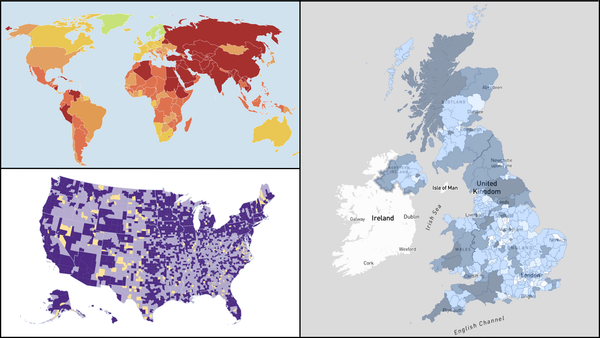
Screenshots of Reporters Without Borders Press Freedom Index (top left), Northwestern Local News Landscape (bottom left) and Public Interest News Foundation Local News Map (right)