Recruiter's advice: What it really takes to get a job in journalism right now
Thinking of applying for a role in journalism? Talent acquisition lead at Reach plc, Danielle Lavin, shares what she's really looking for, and what to do (and not do) before you hit send
A one-minute read, every weekday. Unsubscribe anytime.
No spam. Unsubscribe anytime.
Danielle Lavin has a clear view of what's changing in the industry and what isn't. As talent acquisition lead for editorial at Reach's people experience team, she's at the sharp end of hiring for one of the UK's largest publishers. Here's what she wants candidates to know before they apply.
If you think breaking into journalism is just about being a good writer, you're not wrong, but you're not entirely right either. Journalism and reporting skills remain the foundation of what Lavin and her team look for, but the goalposts have shifted. Publishing is diversifying, and the roles being recruited for are diversifying with it.
Transferable skills: Expertise in areas like subscriptions, video, audio, engagement, growth, and affiliates is increasingly valued alongside traditional reporting chops. The mindset shift is a telling one: it's less about knowing how to write a headline and more about understanding why a story travels, and where.
Industry awareness: Beyond the craft, what stands out in a strong applicant is a genuine interest in the news cycle and media industry, critical thinking to navigate a fast-moving environment, and the enthusiasm to keep up with newsroom pace. Soft skills matter here as much as hard ones.
Prioritise relevance: When it comes to your application itself, her advice is straightforward: read the job description properly and target your submission to that specific role. Make your relevant skills obvious. She says:
"Don’t let a ‘skills gap’ hold you back. We are always looking for people who can add a fresh perspective, so don’t hide what makes you unique."
Non-negotiable research: Anyone serious about working in the news industry should already be reading the news. If you're going for a role at a specific title or brand, you need to know its tone, its audience, and its values — and be ready to talk about all of that in the interview.
The AI question
AI isn't new to recruitment. It's long been used for things like sourcing candidates, parsing CVs, and scheduling. But Lavin's team is now reviewing their processes more broadly, looking at where it can free people up to focus on the human side of hiring and deliver a more personal experience for candidates and hiring managers alike.
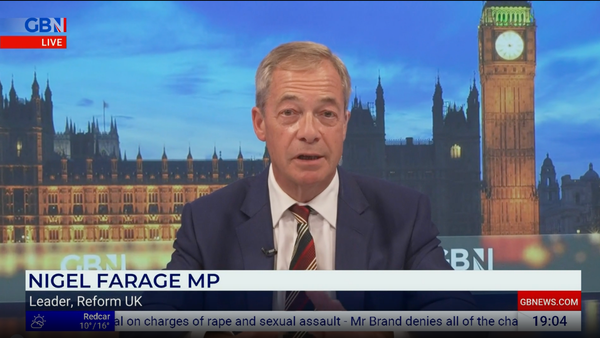
Screenshot: Reform UK's leader Nigel Farage hosting his show on GB News
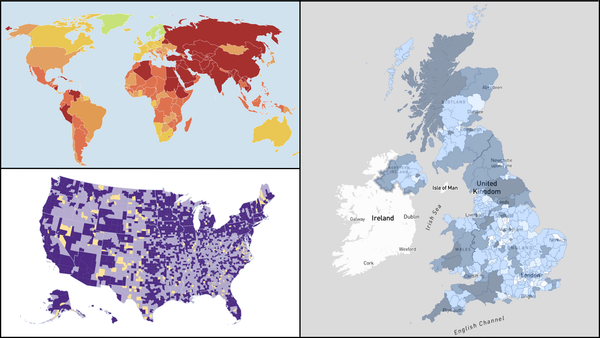
Screenshots of Reporters Without Borders Press Freedom Index (top left), Northwestern Local News Landscape (bottom left) and Public Interest News Foundation Local News Map (right)