How to use Instagram for live conference coverage
Video interviews, quote cards and behind-the-scenes shots are a great way to engage your audience and spread the knowledge beyond the physical boundaries of the venue

– 3 min read


Video interviews, quote cards and behind-the-scenes shots are a great way to engage your audience and spread the knowledge beyond the physical boundaries of the venue
This article was migrated from an old version of our website in 2025. As a result, it might have some low-quality images or non-functioning links - if there's any issues you'd like to see fixed, get in touch with us at info@journalism.co.uk.
Most journalists pretty much live their lives on Twitter which makes it a popular platform for live coverage of conferences.
Instagram, however, can help you reach a wider and potentially younger audience, as well as think visually when bringing the best bits of an event to your followers.
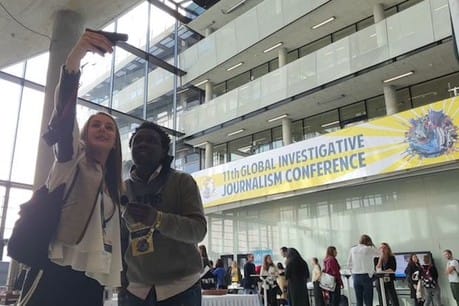
This is what the team behind the 11th Global Investigative Journalism Conference that took place last month in Hamburg tried to achieve. To help them get to grips with a new social media strategy, Wytse Vellinga and Astrid Csuraji, mobile storytelling trainers, provided training for creating content for the platform.
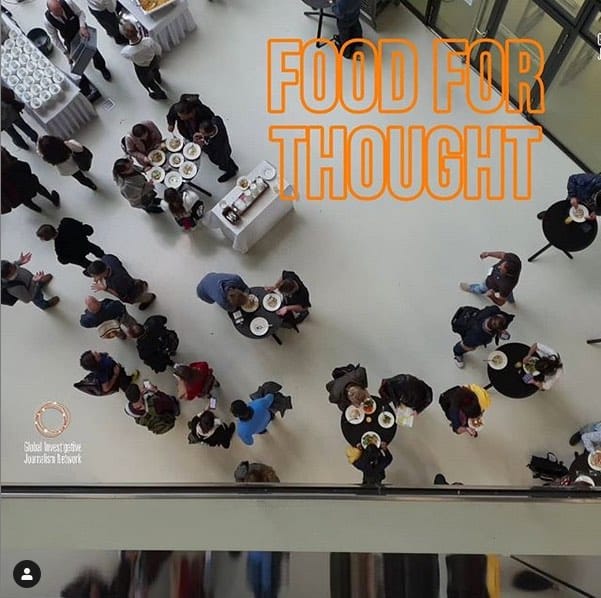
Getting the GIJN team to use Instagram was quite a task. Although the organisation had a handle, it has not used it for a few years, unlike its Twitter account which has more than 42k followers.
"That was a good thing because it was the opportunity to start afresh," said Vellinga.
"They had 120 followers at the beginning of the conference and 450 five days later."
Vellinga spent three days training the journalists - some of whom had never used Instagram before - in mobile journalism storytelling tailored for Instagram feed, IGTV and Stories.
To give the coverage a professional look, they had to plan format, design, colours and fonts they were going to use.
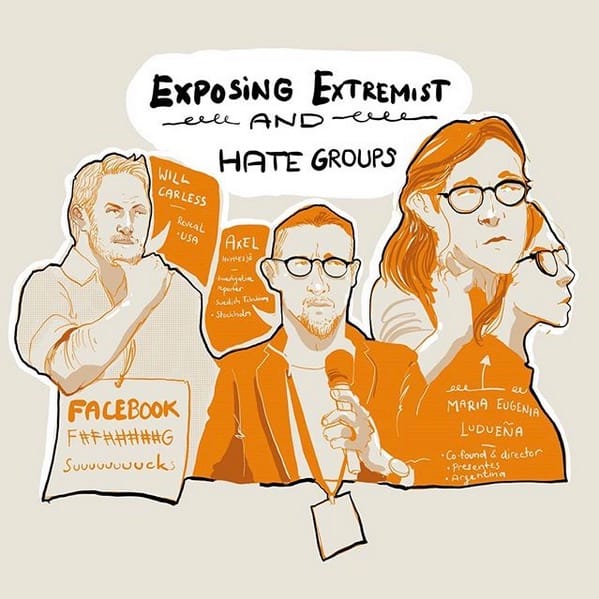
The team used Stories to bring the conference content to a younger audience, while IGTV predominately featured interviews with VIP guests. The feed was a mix of content and formats.
"You need to be careful with the feed," advises Vellinga.
"For example, you don’t want two videos next to each other, which was something new for the team."
The main challenge was to produce a good mix of content with a consistent look and branding. The effort has paid off though, as the audience started to recognise the handle and engage with the posts.
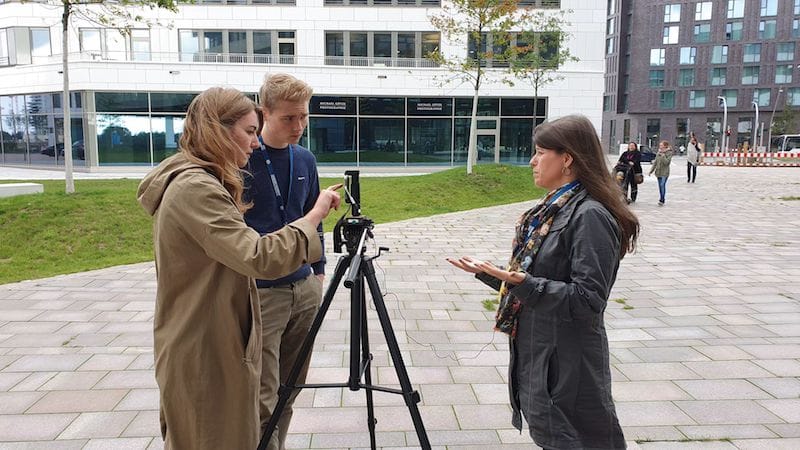
"It was hard to spread the word because event organisers forgot to put the Insta handle on all marketing materials," joked Vellinga.
The event attracted around 1,700 attendees but most of them were not on Instagram which did not make the task any easier.
The experiment came with its share of teething problems. For example, the Stories featuring fresh-looking content and targeted at a younger audience did not see much interaction.
Reporters filmed with the Filmic Pro app, using iPhones, iPads and Android phones. They then edited the footage in Adobe Rush, which gave them the flexibility to edit on any device, including desktops, at the same time. External and wireless microphones made sure the audio is good quality and apps like Adobe Spark allowed for creating aesthetic quote cards.
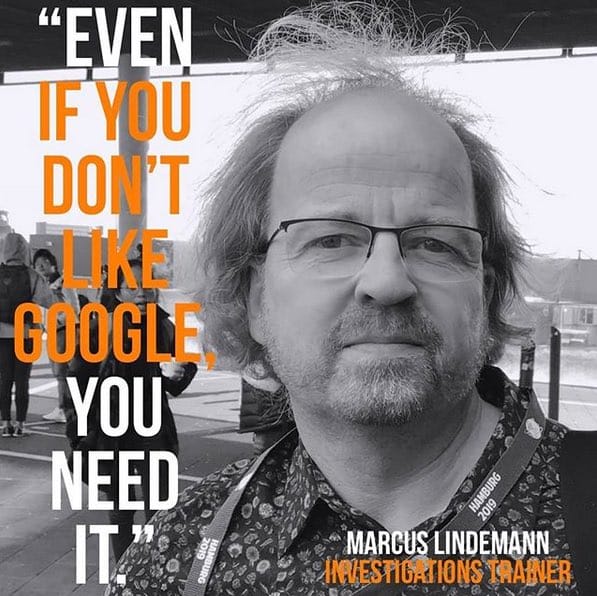
"I was very pleased with the result even if we didn’t reach the 500 followers target," said Vellinga, adding that he was impressed with the hard work the GIJN journalists put in, working from 8 am to midnight to shoot and publish content.
Tweet content
— User View on Twitter