Taking care of your mental wellbeing can help you become a better journalist
You can change your approach to work to cope better in these difficult times
– 4 min read


You can change your approach to work to cope better in these difficult times

This article was migrated from an old version of our website in 2025. As a result, it might have some low-quality images or non-functioning links - if there's any issues you'd like to see fixed, get in touch with us at info@journalism.co.uk.
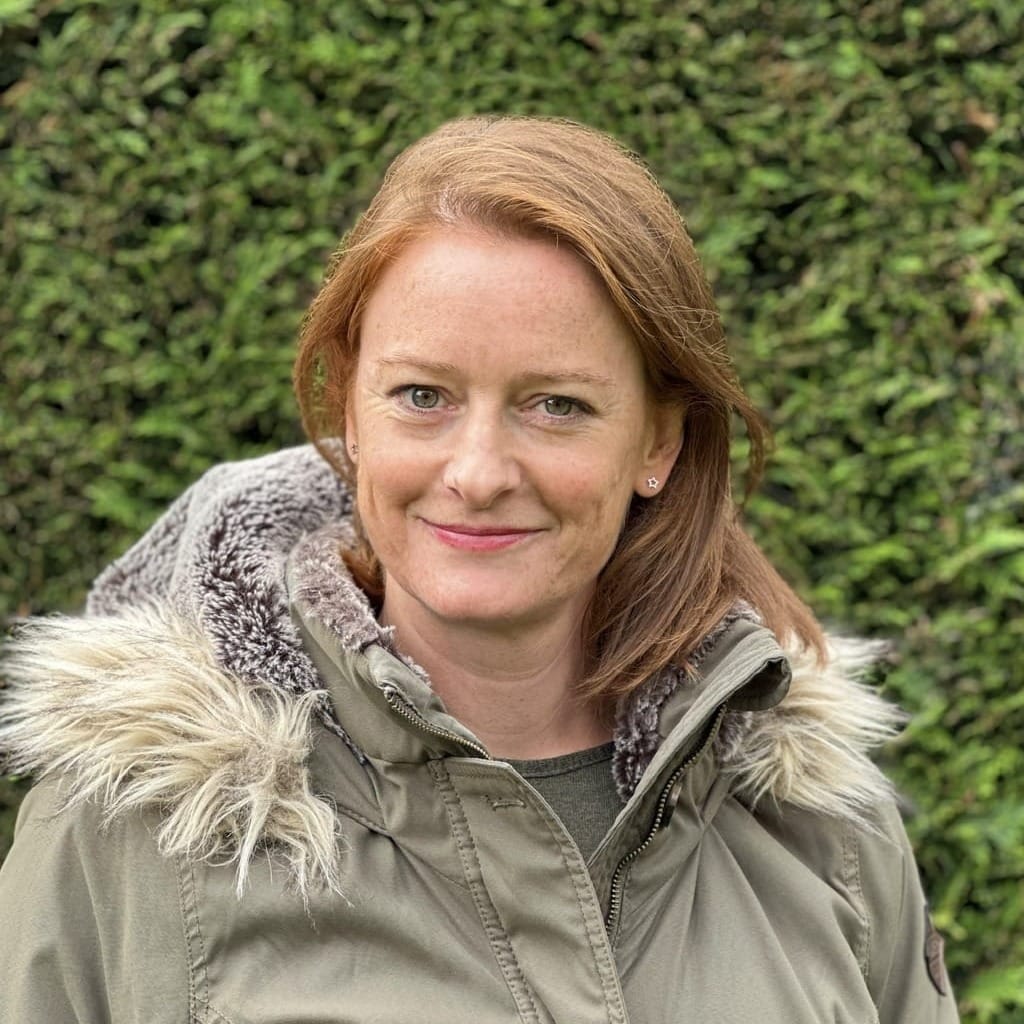
Hannah Storm is a media consultant and a mental health advocate. During her career, she spent more than a decade working as a journalist for television and radio, online and print for outlets including the BBC, The Times, Reuters and ITN, and Oxfam. She recently founded Headlines.
The past year of the pandemic has been relentless. I do not remember seeing so many journalists so emotionally drained as in the past few weeks.
A feeling of control is crucial to maintaining one’s mental health. It is not hard to see why so many of our colleagues feel a lack of control, in the face of a constant news cycle, an industry hit by financial pressures, an erosion of trust and attacks by public figures, and a newsroom culture that traditionally shies away from admissions of vulnerability.
I learned the language of mental health in my journalism safety work and have channelled this and my lived experience of post-traumatic stress disorder into facilitating conversations across the industry. I welcome the increased appetite for these discussions, but we still have a way to go.
I am offering the following suggestions to help our media colleagues manage their mental health and support those around them.
Mental health starts with self-care and a recognition of what we can control and influence. We cannot control the behaviour of others but our behaviour does influence those around us – for better and for worse.
These suggestions will not cover every eventuality. But before they are written off as impossible to apply individually and institutionally, it might be worth considering if they could be applied had we, journalists, not been able to cope in a certain way.
Just as our industry has reinvented its ways of working this past year, this is an invitation to consider an alternative approach to our work that prioritises the wellbeing of those working in journalism and, in turn, our industry.
Looking for a job in the media? Subscribe to our daily newsletter and keep an eye on our jobs board for the latest announcements.