What to do when an editor 'ghosts' you
Your story is approved but the editor is now unresponsive - what's your play?
– 5 min read


Your story is approved but the editor is now unresponsive - what's your play?
This article is from our community spotlight section, written by and for our journalism community.
We want to hear about your challenges, breakthroughs and experiences. Want to contribute? Get in touch and help shape the discussion around the future of journalism.
Ghosting is a term that essentially describes the scenario where someone you were in contact or communication with suddenly starts to ignore your messages.
As freelance journalists, we are all used our cold pitches going ignored but what happens when an editor who actually commissioned you to do some work suddenly stops answering your emails? Does it mean you do not actually have the commission, that they do not like your work or that you have somehow offended them? What do you do when you are being professionally ghosted?
The first thing to say is that this is incredibly common and all freelancers will have examples of this happening at some point in the commissioning process, both before and after they have submitted their copy. It is not usually because an editor is being rude but simply that they are overwhelmed and not keeping on top of their emails. They may have made a mental note to find an answer to your question, then just forgotten all about it or they may not have seen your message at all. The trick is to not take it personally, be professional and take the following steps to get the answer you need.
The first thing to understand is that editors get a lot of emails.
Pro insight: one section editor on a national newspaper told us she receives around 2,000 a day. So it is no surprise that messages from freelancers get missed, even from people they work with regularly.
If an editor appears to be ghosting you the chances are they have not seen your email, have not had a chance to reply or are waiting for a decision to be made at their end. They could be waiting on final pagination numbers or the outcome of a news conference meeting.
The easier you make it for an editor to reply the quicker they can do it. For example, put in an email subject headline 'Quick query about word count' and then keep your email content brief and to the point.
Pro tip: "Keep it all in the subject line: URGENT quick q about the story you wanted” - freelance writer, Jill Foster.
You can also offer solutions. If a case study has fallen through, list three different options and ask the editor to pick one. This means they can quickly respond in a few words with 'Let's go with B'.
Action point: write emails that require minimal effort to respond to - specific subject lines and multiple choice options.
If you need a response within a certain timeframe then make this clear. Again use the email subject heading, for example, 'Need decision on case study by 1pm today'. And in the email also make it clear when you need to hear back by. This will help an editor to prioritise your email once the deadline is looming.
Action point: create urgency through time pressure - editors work best with deadlines.
Don’t give up after the first email.
Pro insight: editors we have spoken to say they do not mind being chased over and over again if they have commissioned someone or if it is a freelancer they regularly work with.
Persistence really does work but use common sense. Do not bombard an editor with the same question several times a day.
Editors all work in different ways depending on their own habits and the news cycle of their organisation. Play around with different days or times during the week until you find the sweet spot.
Pro tip: send a chasing email about 7 am before the editor's inbox is "absolute bedlam" - freelance journalist Hannah Fearn.
Pro tip: "I often schedule emails so they land early before editors get swamped" - freelance journalist Alex Lloyd.
There is a balance to be struck between chasing an editor for a response and not being rude.
Do: maintain a respectful and professional dialogue. It can help to acknowledge that they are very busy people. A phrase like "I appreciate you are extremely busy but would you be able to let me know about X today so I can do Y."
Don’t: apologise, send multiple emails or come across as confrontational.
Instead of hitting reply, send a new email with all the key information included. It’s better to start afresh than maintaining confusing email threads that need to be mined through for the relevant information.
Action point: copy and paste your original question or pitch so the editor can see everything they need without scrolling through previous messages.
If you are on a tight deadline or several emails have gone unanswered then giving the editor a call can be a really quick solution. Not all editors answer their work phone or give out their mobile numbers but it is always worth a try if you can get hold of their number.
Pro tip: try call before the morning rush of people getting to their desks - Sean Dodson, senior lecturer in journalism, Leeds Beckett University.
Pro tip: "Depending on how well I know the editor, I've dropped them a text before or given them a quick call if I have an urgent question pre-deadline” - freelance journalist Emma Sheppard.
Try someone else, ideally someone you know or under less time pressure.
Action point: the deputy or assistant editor can be a good person to nudge to get a response from someone else.
If it’s money you’re after, then find out who is responsible for payments in the accounts team and contact them, copying in the editor.
When you start freelancing it can be really demoralising if you have developed a relationship with an editor or received your first commission from them and then all of a sudden they stop responding to your messages. But it is crucially important to understand that this is not a reflection on you and it is completely normal.
Action point: Request confirmation explicitly - silence after filing is standard unless you ask for acknowledgment.
Pro insight: "In my experience, it's quite common to not hear back straight away when you've filed copy. They'll reply when and if they want any changes - freelance journalist Emma Sheppard.
There may come a point when you do need to take your commission elsewhere. If you have done everything you can to get a response to a query and cannot finish the story without it, then set yourself a cut-off point.
Action point: Set boundaries and communicate them politely - give editors a final deadline before you take work elsewhere.
By following these tips, you can take the anxiety and emotion out of 'ghosting' and take professional steps to ensure you get the answers you need to do your job.
It is all about understanding what pressures might be happening at their end and making it easy for them to help you. If you have exhausted these tips and decide to walk away, that too is your right, and probably a wise decision rather than continuing to have a working relationship with someone who has proven to be unreliable.
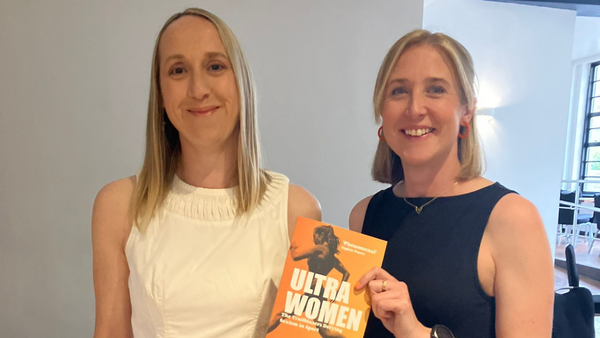
For more tips and advice, subscribe to the Freelancing for Journalists Substack newsletter and podcast by Emma Wilkinson and Lily Canter.
This article was first published 15 October 2021 and has been republished on 4 August 2025
Thank you for reading this community spotlight piece. These articles help shape the discussion around the future of journalism. Want to write one for us? We'd love to hear from you