This article was migrated from an old version of our website in 2025. As a result, it might have some low-quality images or non-functioning links - if there's any issues you'd like to see fixed, get in touch with us at info@journalism.co.uk.
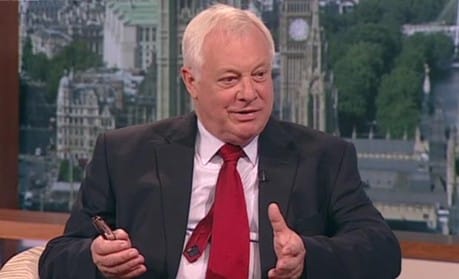
Lord Patten, the chairman of the BBC Trust, has rebutted allegations that the BBC was biased in the amount of coverage it gave to the phone-hacking scandal.
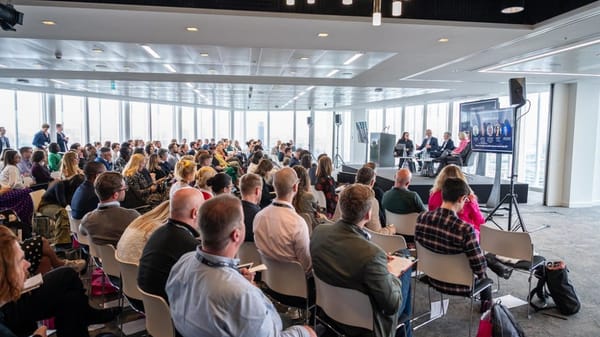
Speaking at the Society of Editors' conference last night, Patten said that both ITN and Sky News had spent proportionally more time covering the scandal than the BBC.
"When the hacking story broke, some said we were giving it excessive coverage at the BBC, as it were we were leading the hue and cry.
"But when a spot check was done on the amount of time devoted to the story by different broadcasters, both ITN and Sky – to its considerable credit – were giving more time to the story in proportion to their total time on air than the BBC."
Patten went on to say that it was "bizarre" that in the wake of the hacking revelations the main issue "for some bloggers and commentators ... was not criminality by a few journalists and the location of the responsibility for their behaviour" but "the alleged dominance of the media in Britain by a publicly funded broadcaster".
Patten's rebuttal came as part of wider comments on impartiality at the broadcaster, which he said its journalism.
"As a publicly funded broadcaster there are areas where we ought to be particularly careful in our journalism or even decline to follow where newspapers or online journalism may properly lead.
"Despite the BBC's tradition of investigative journalism, it could not have paid for the information on MPs' expenses as the Daily Telegraph did, nor pursued the hacking story at News International as remorselessly as the Guardian campaign did.
He argued though that, despite the public finding the idea of impartiality "hard to define" and the BBC's take on it being "not perfect", it was impartiality that garnered trust in the broadcaster's news coverage.
"Balance and accuracy are the qualities that licence fee payers seek in BBC output, but telling things as they really are and not as this party or international group might wish them to be."
Ahead of the opening of Lord Leveson's inquiry into press standards today Patten also backed self-regulation for the press, saying it would be "wrong headed" and a "real danger to public discourse that underpins our democracy".