Female Founders Highlight Hidden Barriers In Securing Investment
– 4 min read


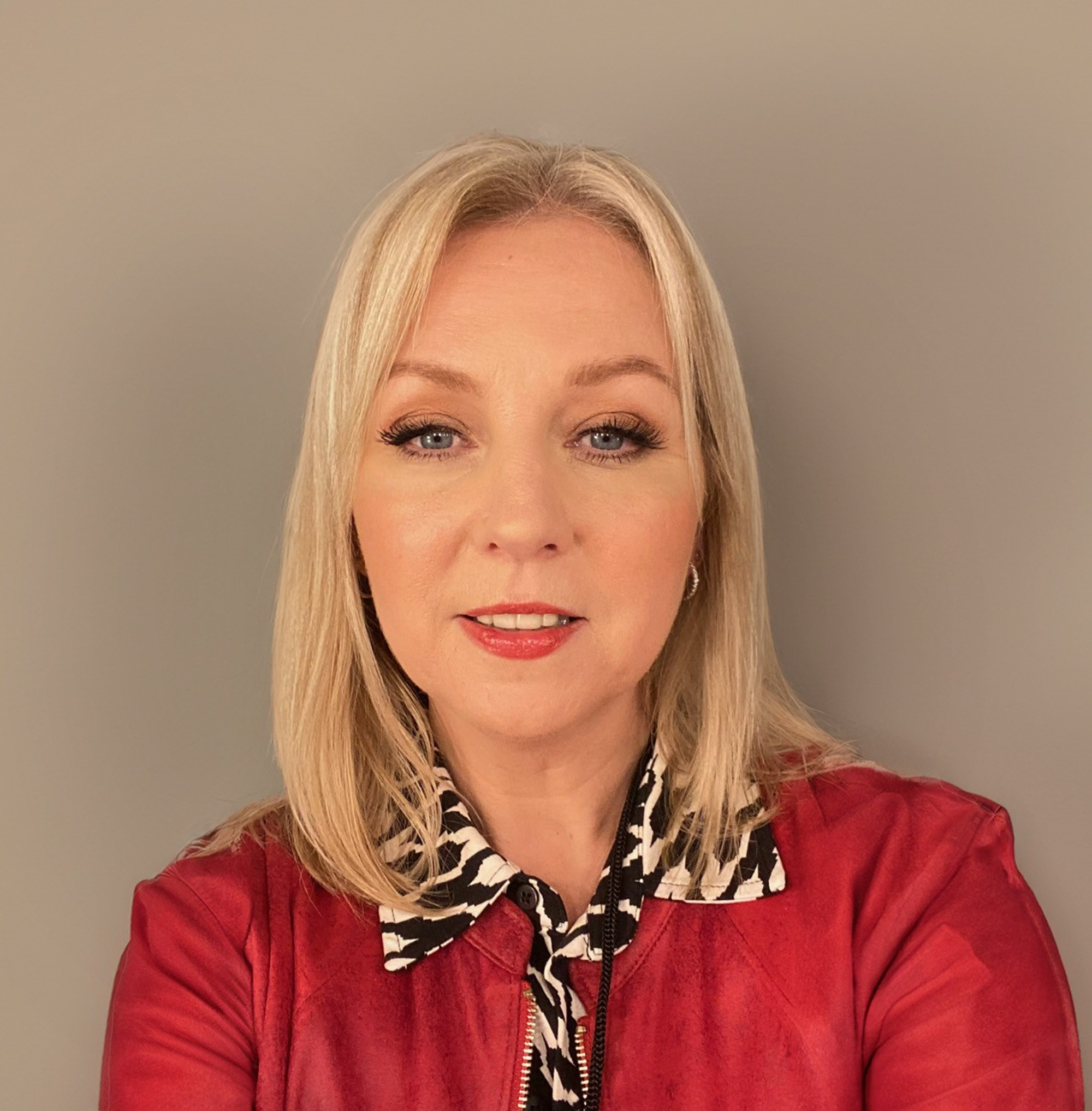
Female founders Debbie Gilbert and Michelle Leong are speaking out about the unseen challenges women face when raising investment, as they continue to develop their productivity-focused app, Leanier.
The pair are seeking funding of £250,000 to support the app ready for launch but have found many barriers to success – and their experience is not unique. In 2025, under three per cent of all venture capital funding available for business went to female founders globally.
Having already invested £70,000 of their own money into building the Leanier app, Debbie and Michelle are now navigating a fragmented and often contradictory investment landscape.
“There’s a perception that funding is more accessible than ever for female founders, but in reality it feels incredibly difficult to navigate,” said Debbie. “We’ve spent countless hours researching, adapting our pitch, and trying to understand what different investors want, and the guidance is rarely consistent.”
Leanier, an app designed to help users build better habits while saving time, money and energy, is entering a critical stage of development. The funding round will enable the founders to expand their team, invest in marketing and PR, positioning the app for launch.
Throughout their journey, the pair have encountered a wide range of investor expectations, from prioritising traction to focusing on vision, from bootstrapping longer to raising funding earlier. This inconsistency has required them to produce multiple versions of their pitch deck and tailor their approach for different audiences, all while operating without the benefit of established networks or warm introductions.
Michelle said: “You’re expected to understand a system that isn’t clearly explained and wasn’t necessarily built with you in mind. We’ve created multiple versions of our pitch and had conversations that lead nowhere, which can be exhausting, but we remain committed to what we’re building.”
Jo Scalpello, founder of Retail Checker Ltd, has the same frustrations around securing investment.
“I am looking for £380,000 to spend perfecting my MVP (minimum viable product) launch a browser extension, finalise the AI agent components and do some experimental marketing to test product market fit. The challenges with getting funding are three fold:
*The UK are notoriously bad at supporting ‘consumer’ products.
*I am a female founder and whilst that has not been expressly said, we all know that women have to over-prove our cases.
*I don’t have a male co-founder. This has not been said to me in my rejection emails but is a long-standing observation from senior people who operate in that world.
“I have been rejected or ignored over 20 times but those who have responded said that whilst they believed it was a valid product/service that has merit, I am too early for them because it lacks traction. But most have said to keep in touch.
“I’ve taken the nos as knocks but not knock-backs so I keep going. I keep sifting through the Angel lists, studying the theses and other investments to see if there is a complimentary fit. I’ve been attending accelerator events to help get me as ready as I can be. I do believe that the right person/team/family is out there and I am not going to take money from just anyone.
“I want someone to believe in me, my purpose and help me succeed because it’s imperative that retail fraud is stemmed. I have believe that I will get over the funding challenges.”
Entrepreneur Gemma Shinh has had similar challenges. She is the brains behind CareTailor which is an online care platform that enables families to confidently find, organise and manage elderly care in one easy place. The platform allows families to self-manage elderly care by connecting them with vetted carers and home helps, supported by a community-led network of experts and an AI care assistant. She has been seeking investment of £250,000.
She said: “The money would be spent on the product and technology, in staffing and growth including launching in different locations as well as operational and compliance costs.
“The challenge has been in finding investors aligned with CareTailor's mission and understanding the process. There seem to be a lot of unwritten rules which can be confusing for a first-time founder. I’ve been turned down once but it was very early on and that investor gave me some great advice.
“I plan on creating an investment funnel and I believe I just need to get it under the noses of the right people.
Elderly care touches everyone in some way, it is a rapidly growing global market and evergreen.”
The founders also highlight a less visible challenge: the balance between confidence and self-doubt. With conflicting advice and unclear benchmarks for readiness, many female founders find themselves questioning their timing and approach, despite evidence that male founders often secure funding more readily and with greater confidence.
The Leanier project continues to move forward despite these challenges, with its mission rooted in simplifying productivity and helping users focus on what matters most. The founders say their experience has reinforced the importance of their product’s core philosophy: doing less, better. For more information visit https://www.leanier.app/
JournalismUK publishes this press release as it was submitted without warranty of any kind. We do not accept any responsibility or liability for the accuracy, content, images, videos, licenses, completeness, legality, or reliability of the information contained in this article. If you have any complaints or copyright issues related to this article, kindly contact the author above.