Slack group for freelancers grows into a social enterprise to seek financial sustainability
The Society for Freelance Journalists was set up a year ago to help those struggling with cancelled work and low morale during the pandemic. A new company status is a step towards revenue transparency
This article was migrated from an old version of our website in 2025. As a result, it might have some low-quality images or non-functioning links - if there's any issues you'd like to see fixed, get in touch with us at info@journalism.co.uk.
A Slack group providing support for freelance journalists has become a community interest company (CIC), which is a type of non-profit organisation that supports a community and works for the public good.
When the pandemic hit last year, freelancers felt the strain amid cancelled work and the stress of the novel virus. It inspired four freelance journalists to set up the Society for Freelance Journalists (SFJ) Slack group to flag up opportunities and provide moral support during the uncertain period.
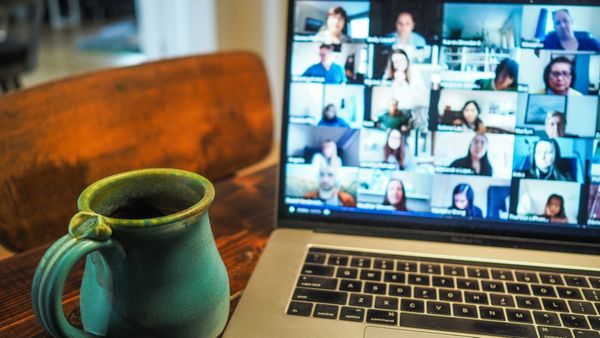
One of the four co-founders and directors, Laura Oliver said that the new status equals accountability. It assures members that any grants it accepts or revenue it generates from events are not for personal gain. The directors must pour that back into the group to cover admin costs, upgrade Zoom accounts and pay speaker fees.
"It means we can formalise our position. When we started the group, it was very ad hoc," says Oliver.
"The reason we created these channels was to have a discussion about freelancing during the pandemic. But as the months rolled on, we realised there was an ongoing need within this community."
Or as fellow director Abigail Edge put it on Medium: "It’s the non-profit equivalent of updating your relationship status from 'casual' to 'committed.'"
In the space of a year, the group has amassed close to 1,500 members from across the globe. There is some room for cautious optimism in Europe, Oliver said, as there are signs of work picking up. But that is not shared everywhere.
"The mood in the camp is one of resilience in the face of the ongoing crisis," she says, adding that members in Europe seem increasingly positive about the state of the industry but that is not the case in other regions.
Journalists in South East Asia, for example, are still finding work opportunities scarce. It means the group's work is far from over and it has plans in motion. It will start by surveying its members to better understand those who are more content to lurk in the shadows rather than post into the chat.
"The four of us, the co-founders, are all freelancers so we have a sense of what the community might need. But we need to pin down what they value to date and what would be useful in the future."
The founders also want to prevent the group from becoming a silo where only members can access the resources. Part of their future work will be collaborating with other players in this field and making sure non-members can benefit from their work.
There is already a lot of advice out there for freelancers who are just starting up but Oliver sees a demand for more guidance for freelancers with several years of experience. They need assistance setting and achieving goals and making freelancing work around lifestyle and financial goals.
There is also a need to explore opportunities outside of reporting and editing, like teaching, speaking or consulting. Plus, conversations around fair and equitable rates of pay, negotiations and contracts are evergreen subjects.
Oliver dreams of putting on a mentorship scheme for its members, as well as career development training. The icing on the cake would be to source those speakers and trainers from within the community, directly handing back paid work opportunities to its members.
Looking for a job in the media? Subscribe to our daily newsletter and keep an eye onour jobs boardfor the latest announcements.