WATCH: What's it like being a religious affairs correspondent?
BBC's Caroline Wyatt explains the ethical responsibilities journalists take on when covering religion
– 1 min read


BBC's Caroline Wyatt explains the ethical responsibilities journalists take on when covering religion
This article was migrated from an old version of our website in 2025. As a result, it might have some low-quality images or non-functioning links - if there's any issues you'd like to see fixed, get in touch with us at info@journalism.co.uk.
The mainstream media's coverage of religious affairs plays a large role in society's attitudes to religion. And in the aftermath of many terrorists attacks over the past few years, the role of journalists to portray accurate and impartial coverage is increasingly important.
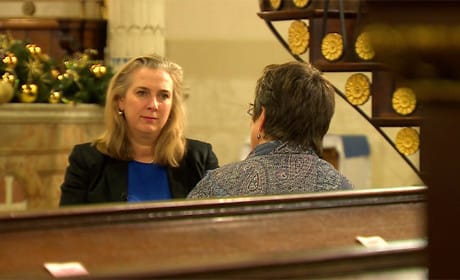
In the video below, Caroline Wyatt, religious affairs and ethics correspondent for the BBC, explains that religion is a very difficult area to cover as it "can strike at the very heart of what people believe in; their sense of themselves, their faith, their culture, and the way they view the world".
Highlighting the importance of "boundaries and sensitivities", Wyatt discusses the ethical responsibilities the BBC faced when deciding how to portray Charlie Hebdo cartoons, and explains why it is harder to report on events when interpretations of different religions are so varied.
Wyatt notes that although she does not have a typical day at work, there's certainly never a boring day, as her role gives her the opportunity to cover a range of interesting stories.
There used to be something here that couldn't be migrated - please contact us at info@journalism.co.uk if you'd like to see this updated!
View our previous interviews in our 'So you want to be a... ?' series on our [YouTube account](https://www.youtube.com/user/journalismnews).
If you'd like more tips on how to enter a particular niche within the journalism industry, tweet us [@journalismnews](https://twitter.com/journalismnews).