Social networks need to do more to raise awareness about misuse of personal information, says PCC director
Networks had been 'shy to engage' in discussion about the use of personal information, said Tim Toulmin

– 2 min read


Networks had been 'shy to engage' in discussion about the use of personal information, said Tim Toulmin
This article was migrated from an old version of our website in 2025. As a result, it might have some low-quality images or non-functioning links - if there's any issues you'd like to see fixed, get in touch with us at info@journalism.co.uk.
There used to be something here that couldn't be migrated - please contact us at info@journalism.co.uk if you'd like to see this updated!
Social networks need to do more to advertise of the potential misuse of personal information that can occur across their sites, the director of the Press Complaints Commission (PCC) said today.
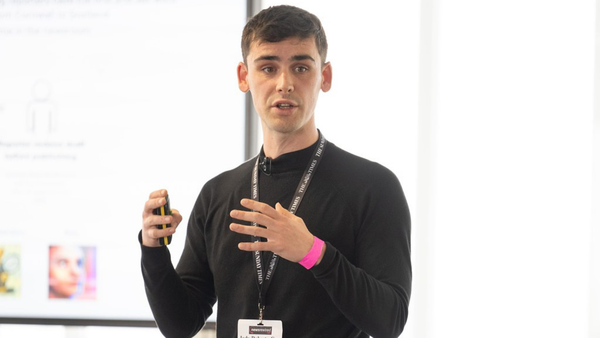
Tim Toulmin today introduced research commissioned by the PCC into public attitudes toward social networks.
Speaking at the Westminster Media Forum, he said that social networks had been 'shy to engage' in discussion about the use of personal information by third parties on their networks and suggested that they may want to consider introducing guidelines to help users understand potential risks and make objections about misuse.
The PCC research strongly suggested that the public was in favour of the introduction of guidelines on uploading information to social networking sites.
"The public is clearly sending a powerful message when only two per cent disagree that there should be clear guidelines about the sort of information that's uploaded," said Toulmin.
"There is a clear call here for a framework of reference for people to know what is acceptable to publish about third parties.
"All this calls for the sound principles of self regulations on three levels. Firstly, self-regulation at its basic form, it's up to the individual concerned to decide what information to put about themselves.
"Secondly, social networking sites have been a little shy to engage in the discussion about all this. Are they doing enough? It's up to them to raise the profile of warnings about the risks, to show people how they can object to information about themselves that they don’t want to be there put up by a third party or even if they want to introduce guidelines.
"Thirdly, the press should know that despite the ubiquity of this information it's not a free for all. That the ease of accessibility, the type of information and the context are all important in terms of whether or not any republishing of it in newspaper and magazine breaches the terms of the code of practise that already exists."
Toulmin added that it was not necessary for the PCC to issue guidelines to journalists about the reuse of information found on social networks, as the current code of conduct was a sufficient.
"The public is in two minds about the media taking information from social networks. Half think it's wrong but nearly half have a more nuanced view and it depends on the sort of information.
"I think the PCC would probably agree with the more nuanced very, I think it would be artificial and unnecessarily restrictive to say that information that is innocuous that can be simply gathered as a result of a quick Google search for instance would be intrusive by definition because no consent had been asked.
"Context will be important here for us, how much care did the individual take to restrict access to information, was subterfuge necessary on behalf of the journalist, had some information been taken out of context and used insensitively for instance, perhaps at a time of grief and shock."