The secret ingredient that makes true crime podcasts addictive - and why news podcasts need it
Have you ever been up all night binge-listening to a mystery show? There's a good reason why that happens

– 5 min read


Have you ever been up all night binge-listening to a mystery show? There's a good reason why that happens
What is it about true crime podcasts that has you hanging onto every word and hitting 'next episode' as soon as one finishes? Wouldn't it be nice if news podcasts could have that same effect?
Rachel Sibley, a podcast expert, researched this for her academic thesis for the JILeaders programme run by the University of Lancashire (a part-time, distance learning course in media innovation and leadership).
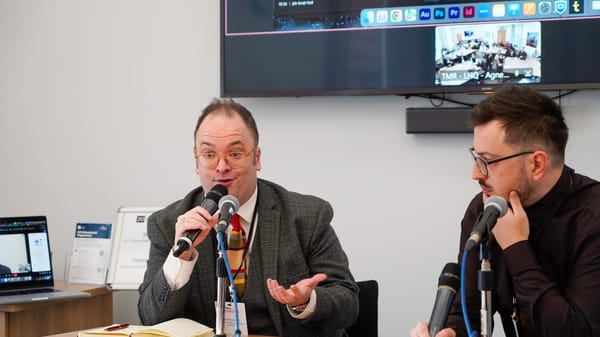
She discussed her findings with me on a panel with Dan McLaughlin, podcast editor at Reach plc, at the Newsrewired conference last week (26 November 2026).
I asked the floor: 'Who likes true crime podcasts and why?'
Delegates said:
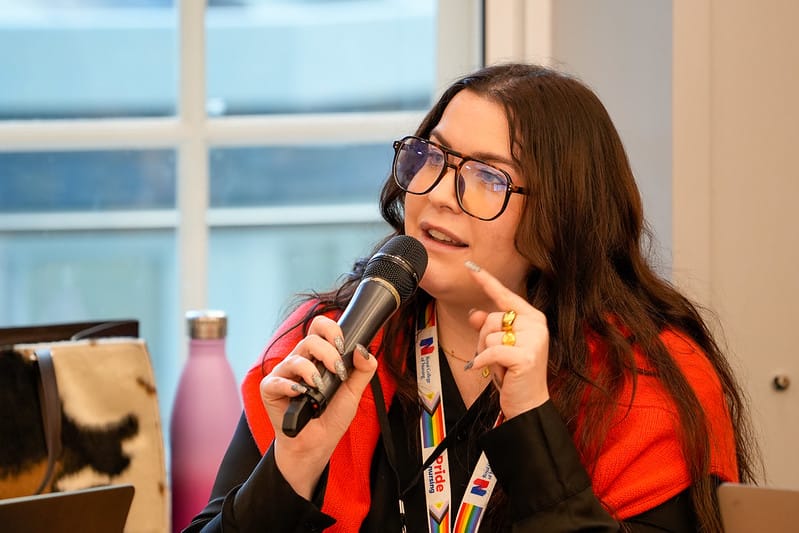
This aligned heavily with Sibley's research, which identified six key themes that underpin the most engaging narrative podcasts: theme, character, setting, cultural context, plot, point of view, and host.
While all are important, we zeroed in on the host as the secret ingredient that keeps listeners coming back for more.
Sibley’s findings, confirmed by audience anecdotes, show that the host is far more than just a voice reading a script.
In the best true crime podcasts, the host is a guide, a character, and sometimes even a substitute for the listener. They ask the questions we’re thinking, reacting in real time, and drawing us deeper into the story.
As Sibley explains: "The host fulfils not just the function of telling you what happened, but provides the point of view for the piece of content – whether it’s from the view of the victim, a journalist, or a police officer. They’re the person stepping through the action, immersing you in the story."
This immersive, personality-driven approach stands in contrast to the traditional interview-led news podcast, where hosts often take a back seat, prioritising objectivity and brevity.
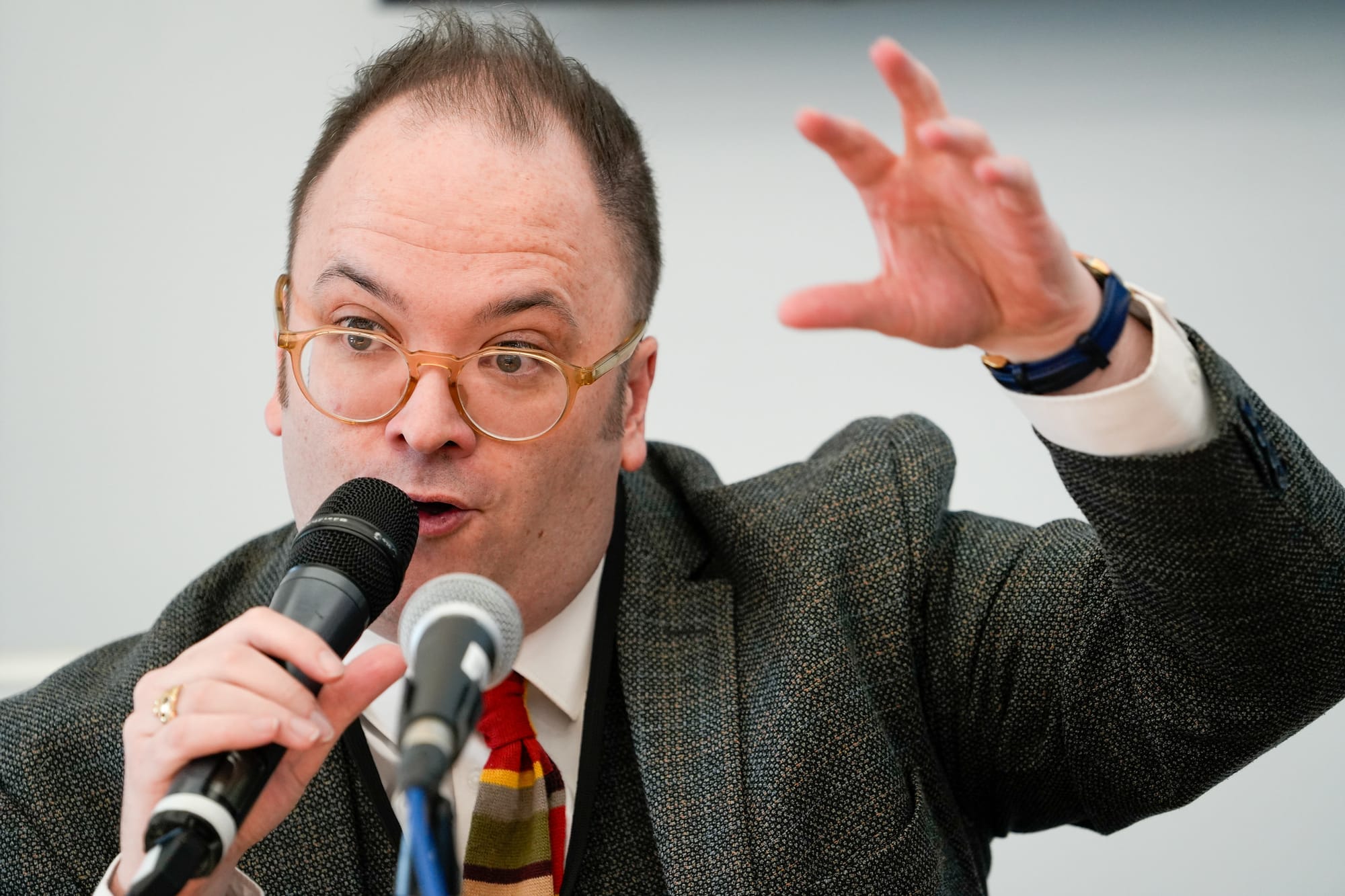
Dan McLaughlin, podcast editor at Reach plc, noted that while journalists are natural storytellers, the shift to a more performative, personality-led style can feel uncomfortable.
"We have to turn our journalists into brands, not just the brand itself," he said. "It’s about accentuating personality to create immersive storytelling."
One of the key shows cited in Sibley's research (Carrie Jade Does Not Exist, a story of one woman with six personalities), there were some common techniques used by the two hosts.
Host Sue Perkins leads most of the narrative, steering the listener through the mystery of the story. And her co-host, Katherine Denkinson, is an investigative journalist who provides all the twists, turns, and revelations about the case.
The story is never a straight shot to the finish line; it quite often is two steps forward, one step back, in a bid to 'breadcrumb' the listener through the story arc.
And when Denkinson provides the huge infodump moment, it's Perkins who takes up the mantle of saying: 'whoa, back up a minute' or 'wait a second, but you said say X happened' – this is precisely how the listener is feeling at this moment. They need clarity, and Perkins provides it.
Journalists often go behind the curtain and step into the shoes of the audience all at once.
It can even be a leisurely listen. The hosts do not rush or feel the need to fill space. This goes against the traditional journalistic training to tell the story quickly and succinctly, but more importantly, not to be part of the story.
Sibley points to the importance of the host's USP (unique selling point) here as a key driver for intrigue in a show: "Your host and who you choose is crucial. If there’s someone well-known, they’ll bring a following, but the content needs to carry them and grow beyond that audience."
A worthy comparison comes from Reach plc podcast Go Doxx Yourself, a show hosted by Dr Rebecca Whittington, Reach's online safety editor – a unique role that tackles the rising abuse and threats facing journalists.
 Rebecca Whittington
It is, however, an interview-led show, which is under review to become a more narrative-led show that leans more into what McLaughlin feels is its core strength: Whittington's expertise and specialism. He asked Whittington to speak more.
For newsrooms looking to make their podcasts more addictive, the advice is clear:
Check out Sibley’s research paper highlights of all the areas where narrative podcasts excel. In a nutshell, these include:
The JILeaders programme, in collaboration with JournalismUK, will launch a series of podcasts to explore what it takes to create an addictive podcast show. We'll let you know when we know more - watch this space.