This journalist turned the Strait of Hormuz crisis into a newsgame because articles don't cut it
Jakub Gornicki built a browser game in 17 days, solo, using AI as a coding tool. The result raises a question every newsroom should be asking: what happens when the barrier to building something stops being technical?
There's a queue of two thousand ships. You have three transit slots. Ten days. No clean answers. Welcome to BOTTLENECK - and to a genuinely interesting question about where journalism goes next.
Jakub Gornicki, a journalist and artist based in Poland, launched BOTTLENECK in April 2026. It's a free browser game that puts players in the chair of a crisis maritime coordinator during the Strait of Hormuz closure.
The premise is simple. On 28 February 2026, following Operation Epic Fury - coordinated US-Israeli strikes on Iranian infrastructure - the IRGC mined the Strait of Hormuz. Daily transits collapsed from roughly 130 to near zero. The crisis was covered exhaustively by the AP, Reuters, Al Jazeera, Bloomberg, and dozens of others. Gornicki read all of it. Then he decided the story needed a different container.
"The reporting lived entirely inside articles," he says. "You could read the staggering numbers, but you couldn't feel the queue."
That gap between knowing something intellectually and understanding it in your gut is what BOTTLENECK is trying to close. And it's a gap that should interest anyone working in a newsroom right now.
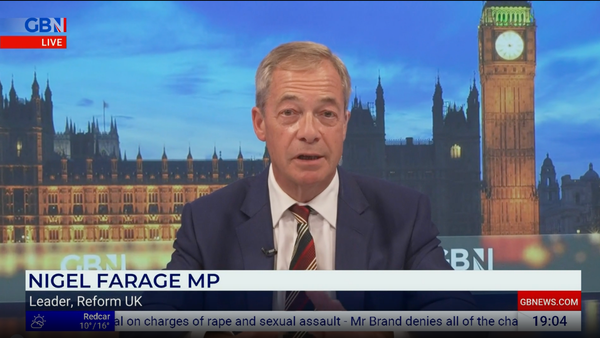
Screenshot: Reform UK's leader Nigel Farage hosting his show on GB News
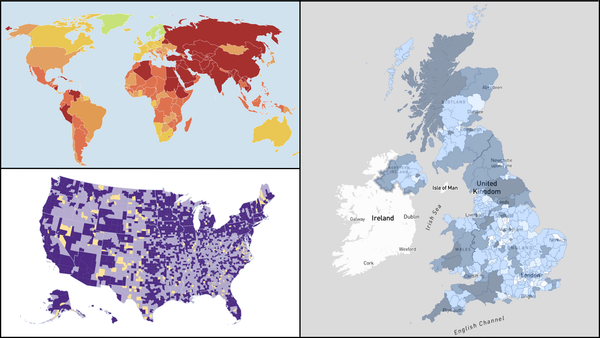
Screenshots of Reporters Without Borders Press Freedom Index (top left), Northwestern Local News Landscape (bottom left) and Public Interest News Foundation Local News Map (right)