Ukrainian sports media company builds international football empire from war zone
Tribuna lost 90 per cent of its revenue when Russia invaded. Instead of folding, it reimagined how football fans engage with the sport. Now it is building a global empire through community-driven innovation and data storytelling
This article was migrated from an old version of our website in 2025. As a result, it might have some low-quality images or non-functioning links - if there's any issues you'd like to see fixed, get in touch with us at info@journalism.co.uk.
When Russia launched its full-scale invasion of Ukraine in February 2022, Tribuna.com went from being a profitable sports media company to losing 90 per cent of its revenue overnight.
But rather than rolling over, the Ukrainian team behind one of the country's most respected newsrooms doubled down on an audacious plan: to build a global sports media empire that could compete with ESPN and OneFootball.
Two and a half years later, they've done exactly that. The Kyiv-based company has not only returned to pre-war revenue levels but also launched Football Xtra, an innovative app that's redefining how football fans engage with the sport worldwide.
From crisis to chrysalis
The story of Tribuna.com's transformation reflects both the resilience of Ukrainian media and a sophisticated understanding of modern audience engagement. Founded over a decade ago by Dmitriy Navosha and Maks Berazinski, the company had built a solid business around traditional advertising and their flagship sports platform.
But the war changed everything.
"In March 2022, the revenue was zero," explains head of partnerships Iryna Chernukha. With Ukraine's advertising market collapsing, the team was forced to completely rethink their approach.
Rather than simply trying to survive, it treated the crisis as an opportunity to innovate. The years 2022-2024 effectively turned Tribuna into a startup again, complete with the ambition and scrappiness that entails, but under extreme resource constraints.
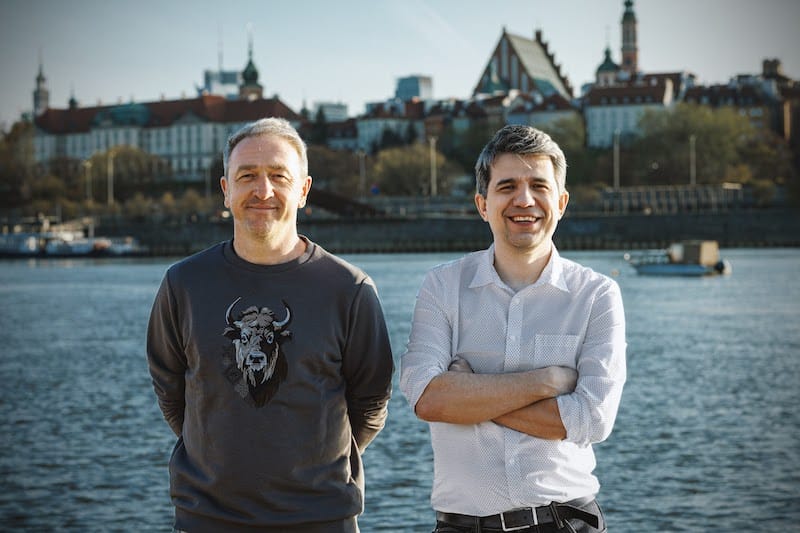
Tribuna founders Dmitriy Navosha (left) and Maks Berazinski
The community-first strategy
What sets Tribuna apart from competitors is its sophisticated approach to community building. Unlike traditional sports media that simply publish content, it has created what amounts to "Reddit for football fans" - a platform where users don't just consume content but actively create it.
Chernukha says that they have very active users who are prepared to help test any product that launches.
"Readers immediately alert journalists to any errors, and those who comment are the most engaged," she notes.
This isn't just about user-generated content. It's about building genuine communities around football clubs, where a fundamental truth about sports fandom has emerged: diehard fans want every morsel of information about their favourite clubs.
Official club channels can't provide the speculation, criticism, and passionate debate that fans crave. And that was the opportunity Tribuna seized.
Data innovation
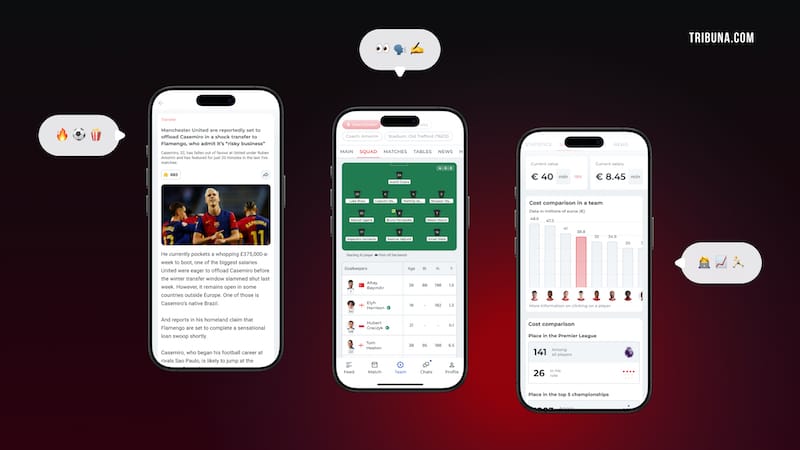
One of Tribuna's most innovative features sits at the intersection of finance and football. Recognising how much attention money draws in sports, they've expanded their database to include player salaries and transfer fees, turning them into digestible metrics like cost per goal or cost per minute played.
This approach to data storytelling reflects their broader philosophy: sports journalism shouldn't just report what happened, but help fans understand what it means. Whether you're tracking Kylian Mbappé's touches, Erling Haaland's shots, or revisiting David Beckham's playing days, the data is all there, live and in-depth.
The Football Xtra app now delivers match results, tournament tables, and live statistics from over 600 competitions across more than 160 countries, with advanced in-game analytics and full historical archives.
Global ambition, local roots
Despite their global reach - serving audiences in eight languages with over 12 million monthly users - Tribuna remains proudly Ukrainian. Its newsroom follows a "journalism of change" philosophy, not just covering big stories but pushing for real-world impact.
The actions of its journalists have led to tangible changes: they've helped cancel controversial friendly matches, uncovered issues in gymnastics and biathlons that triggered state-level reforms, and pushed officials to take decisive action.
This commitment to impactful journalism extends to their war coverage.
"We are a sports media company, and we've consciously invested significant effort and resources into highlighting war-related issues within the sports world," Chernukha explains. "The tag 'war' shouldn't even exist on our platform, but here we are."
The remote-first model
Even before the pandemic made remote work mainstream, Tribuna had embraced a distributed team model. It tried renting offices twice - the first time, the pandemic hit; the second time, it was right before the war. Now it fully embraces remote work, with team members spread from Ukraine to Portugal and Cyprus.
Many colleagues have never met in person, yet they manage to work together effectively. This model has proven crucial during wartime, allowing the company to maintain operations even as team members face displacement and danger.
As Tribuna continues to expand into Western European markets where capital is available but competition is intense, it is proving that innovation beats resources. Its success suggests that the future of sports media lies not in bigger budgets but in better understanding of what fans actually want.